
Last updated November 15, 2026
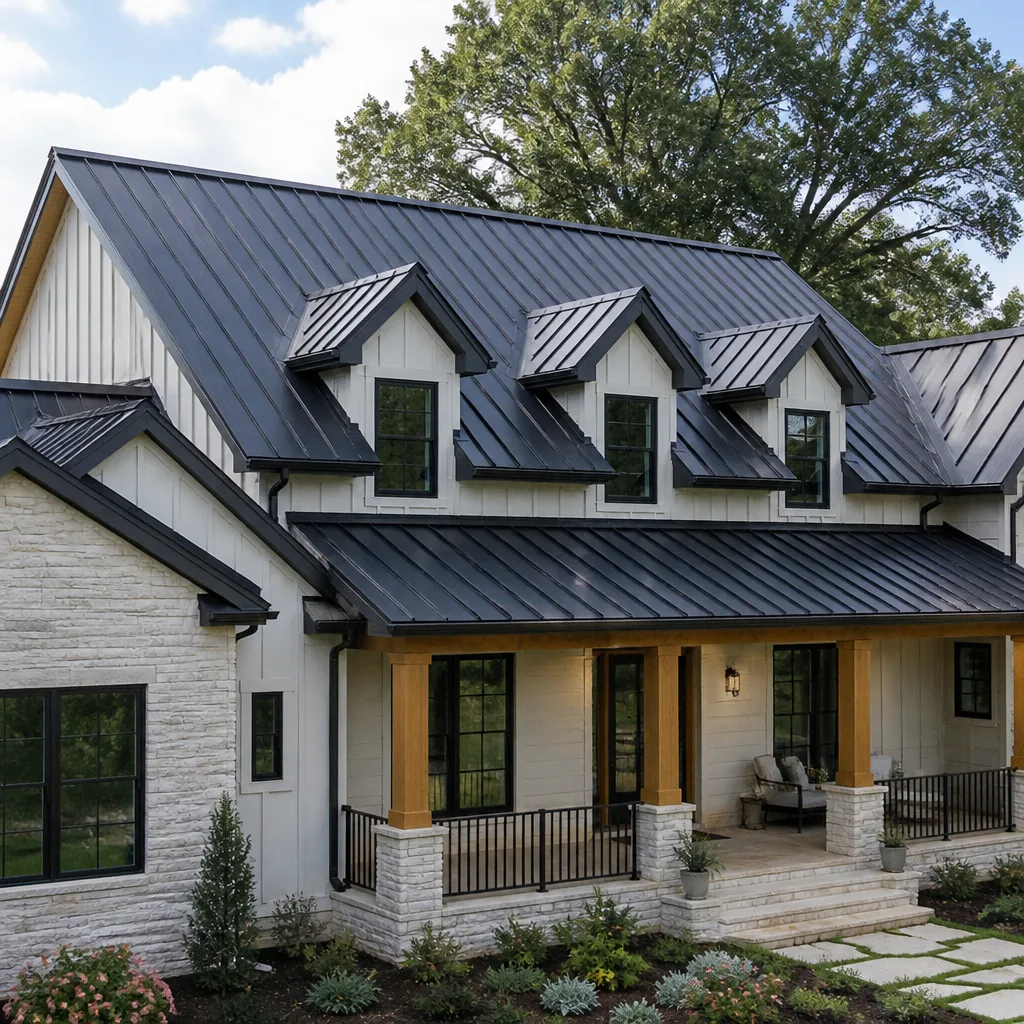 Metal roofing
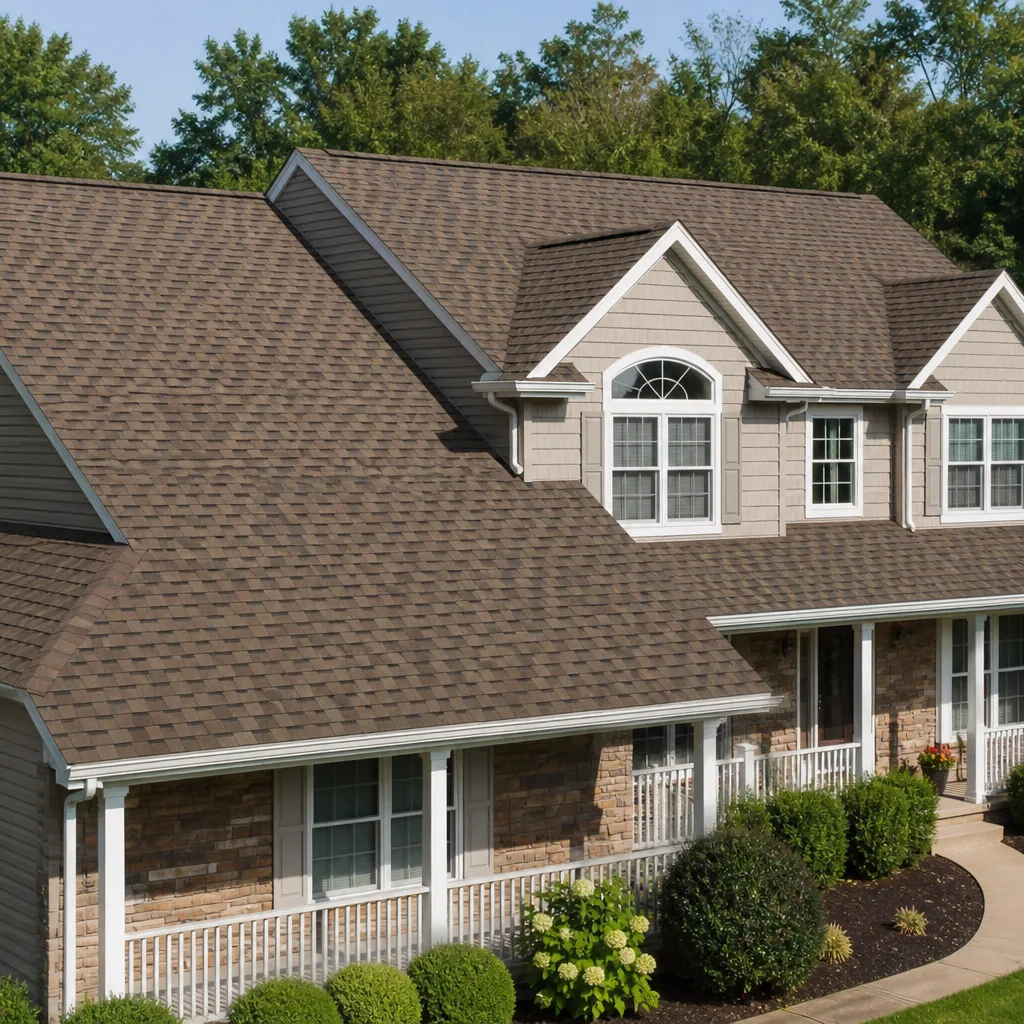
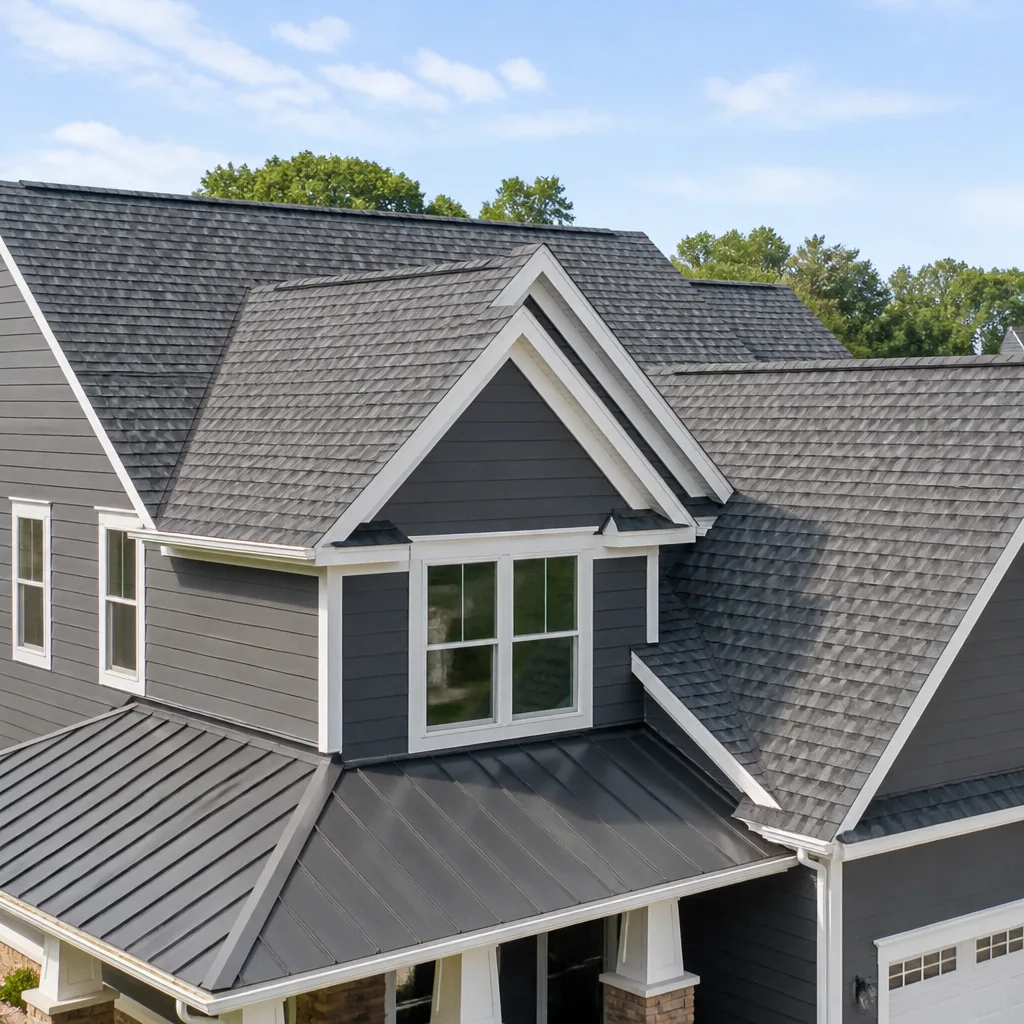 Architectural shingles
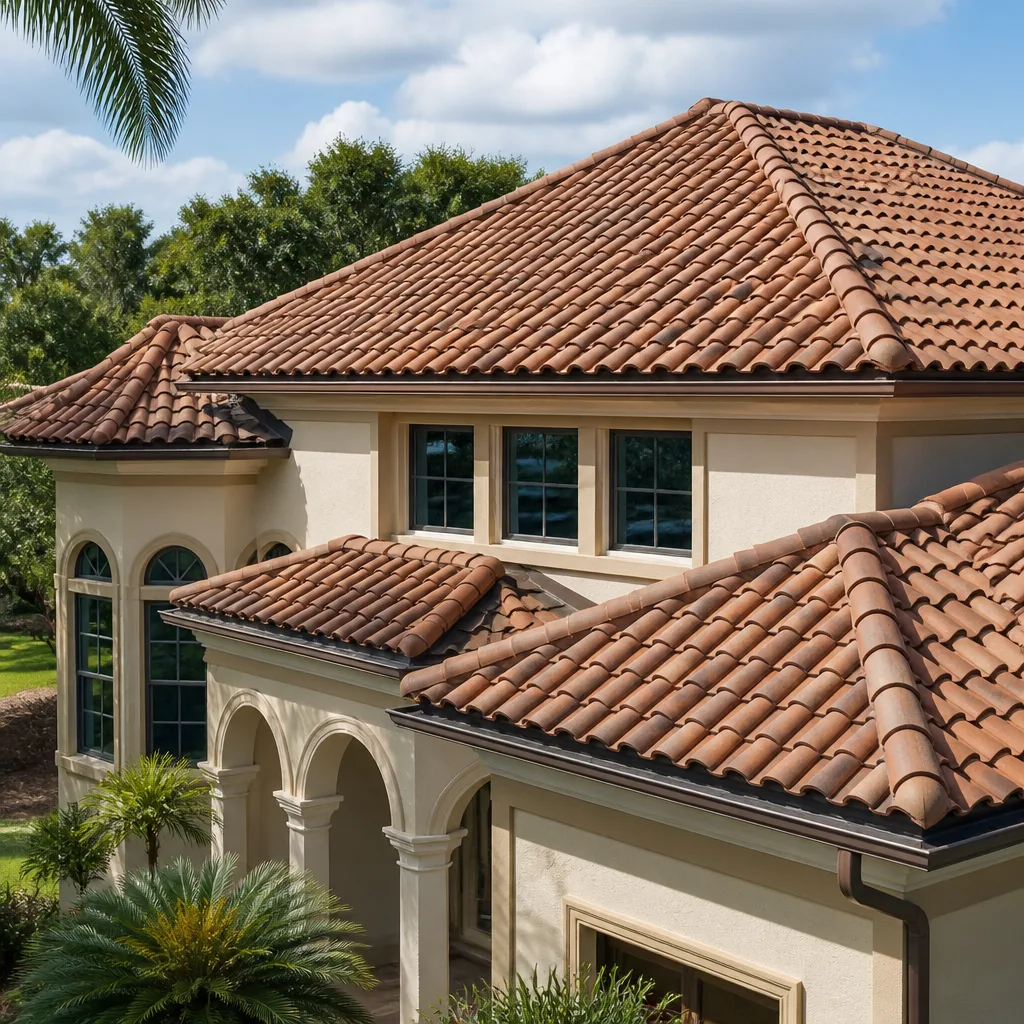 Tile roofing
 GAF
 Owens Corning
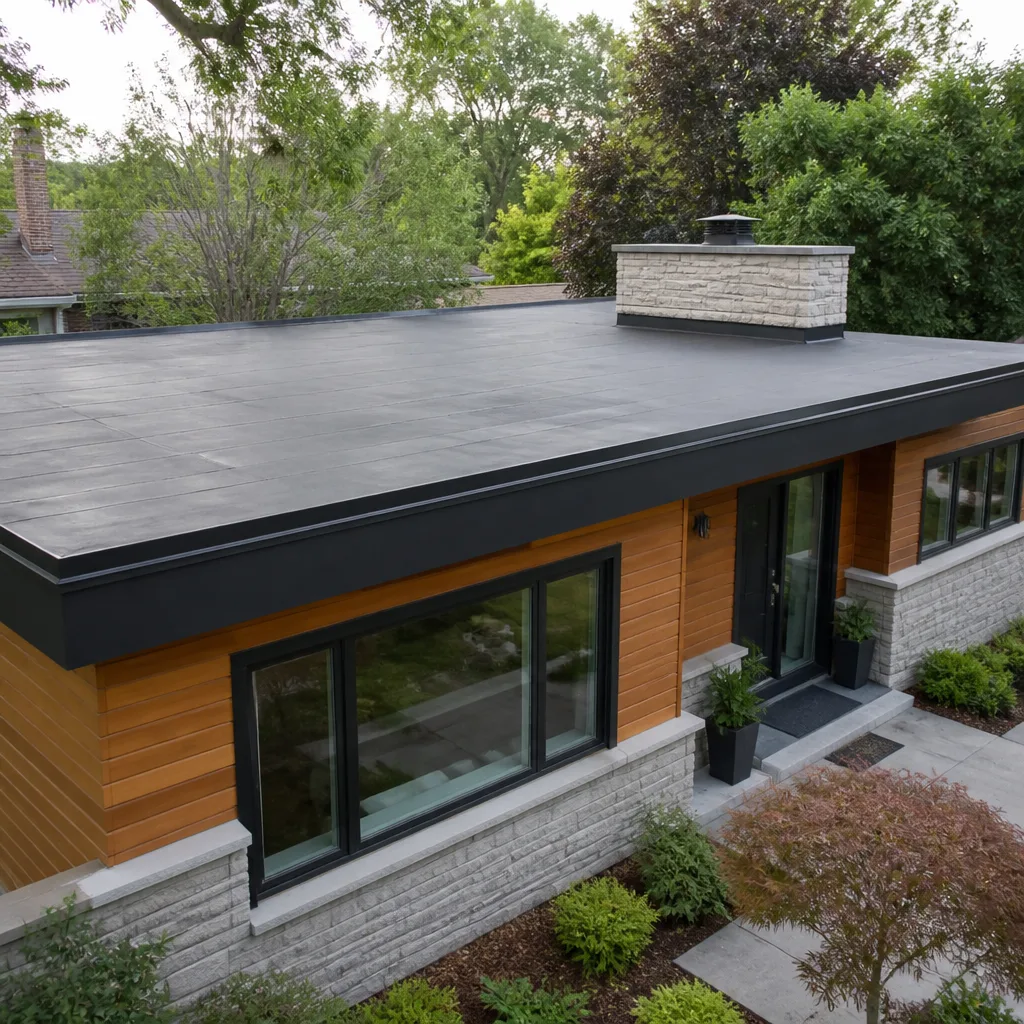 Flat & low-slope
Free roof inspection with deck photos before we talk money - GAF and Owens Corning certified installation
Roofing Cost Breakdown: The Spring Valley Homeowner’s Reference for 2026
Three bids on the same Spring Valley house often land between $4,000 and $7,000 apart. Homeowners usually read that spread as a red flag, but in our experience it’s rarely dishonesty. It’s that one bid was written for three-tab asphalt with a single tear-off layer and one flashing package, and another was written for architectural shingles with upgraded underlayment, new ventilation, and two layers of disposal factored in. Neither bidder lied. They just quoted different buildings. In this guide we’ll break roofing costs into the variables that actually drive the number in Spring Valley in 2026, so you can compare two bids line by line instead of by the total at the bottom.
Quick Answer
A typical full roof replacement in Spring Valley in 2026 runs from roughly $9,000 to $16,500 for architectural asphalt shingle, $6,500 to $11,000 for 3-tab asphalt, $13,500 to $24,000 for Class 4 impact-rated shingle, and upward from there for tile or metal. Repairs generally fall between $350 and $2,200. The single biggest cost driver isn’t the material itself. It’s how many layers need tearing off, what the deck looks like underneath, and which material tier the bid was actually written for.
Styles & brands we work with
- Architectural shingles
- Metal roofing
- Tile roofing
- GAF
- Owens Corning
- Flat & low-slope
Table of Contents
- What does roof replacement cost per square in Spring Valley?
- How do the five material tiers compare on total project cost?
- Which labor variables move a Spring Valley bid the most?
- How does manufacturer tier affect cost beyond the shingle price?
- Which line items separate accurate bids from lowball traps?
- How do you compare bids using cost per year of expected life?
- How should you actually compare three Spring Valley roofing bids?
- Is a repair or a full replacement the better spend right now?
What does roof replacement cost per square in Spring Valley?
Roofers price work by the “square,” which is 100 square feet of finished roof surface, not 100 square feet of floor plan. A 2,000-square-foot single-story home with a moderately pitched roof and normal overhangs usually measures somewhere near 22 to 26 squares, because pitch, valleys, and overhangs add surface area you don’t see from the driveway. On a two-story home with the same footprint, the roof is typically smaller: fewer overhangs and a steeper second-floor pitch mean less total surface.
Here’s how the per-square math breaks down in Spring Valley for 2026, installed with tear-off of a single existing layer:
- 3-tab asphalt: $300 to $440 per square installed
- Architectural asphalt shingle: $420 to $640 per square installed
- Class 4 impact-rated shingle: $600 to $900 per square installed
- Tile: $900 to $1,600 per square installed
- Metal: $800 to $1,500 per square installed
Those ranges assume the deck is sound and there’s one layer to strip. Add a second tear-off layer, and you’re adding disposal volume and labor hours on top of the base number. Tile and metal carry wider ranges than asphalt because the structural requirements differ so much between homes: a roof designed for tile weighs substantially more than one framed for asphalt, and getting tile right sometimes means evaluating whether the framing can carry it before a bid is even possible.
We’ve walked enough roofs in Spring Valley to know that most homeowners approach this thinking their 1,800-square-foot house means 18 squares. It never works out that way. Ask any contractor you’re considering to show you the actual measurement, not a rough estimate based on square footage.
How do the five material tiers compare on total project cost?
Material tier changes the total more than any other single decision, but not in the way most homeowners expect. The shingle itself is often less than half the total project cost. Labor, tear-off, underlayment, ventilation, and disposal make up the rest, and those costs don’t scale down just because you picked a cheaper shingle.
Here’s how the five tiers compare on a typical 24-square Spring Valley roof in 2026:
- 3-tab asphalt: $7,000 to $10,500. The lowest entry point, with the shortest expected service life of the tiers and the fewest upgrade options.
- Architectural shingle: $10,000 to $15,500. The mainstream choice for Spring Valley homes, with better wind resistance than 3-tab and access to manufacturer warranty tiers that 3-tab typically doesn’t offer.
- Class 4 impact-rated shingle: $14,500 to $21,500. Heavier material with a reinforced mat, and the tier where some insurers offer premium credits in this market. Worth checking with your insurer before deciding.
- Tile: $21,500 to $38,000. Long service life but the highest upfront cost and the most structural requirements, since tile weighs considerably more than asphalt and not every roof is built for it.
- Metal: $19,000 to $36,000. A wide range because the panel type, profile, and fastening system differ substantially between jobs, along with what kind of substrate the panels sit on.
We install products from seven of the industry’s leading brands, including CertainTeed, Owens Corning, IKO, and Atlas, which means our recommendation doesn’t land on GAF or Owens Corning by default because of a supplier relationship. It lands where it fits your roof, your budget, and the time you intend to stay in the home. That’s a meaningful difference when three bids are sitting on your kitchen table and only one of them names the specific product by brand and model.
Which labor variables move a Spring Valley bid the most?
The largest single variable in any Spring Valley roofing bid is what’s under the shingles. A short tear-off can turn into a deck replacement, and that line item is what separates a $10,000 bid from an $18,000 one. A fair contractor puts an inspection first and builds the bid from documented findings, not from a rough assumption of what the roof probably looks like.
The labor variables that count most in Spring Valley:
- Flat versus pitched roof. Low-slope and flat sections cost more per square, because they require a different system entirely: membrane, coating, or modified bitumen rather than shingles. A roof that mixes a pitched main field with a flat garage or a flat section over a rear addition will carry two pricing profiles in the same bid.
- Number of tear-off layers. One layer to strip is standard. Two layers adds significant disposal weight, more labor, and sometimes a structural load question. Three or more often triggers a full deck replacement because the shingles hide damage that can’t reasonably be inspected until they’re gone.
- Deck condition. When the tear-off reveals rotted sheathing, split boards, or soft spots, the deck gets replaced. That’s a real cost, and a bid that doesn’t carry a per-sheet deck-replacement allowance is a bid with a hidden question mark in it.
- Pitch and roof complexity. Steep pitches slow installers down and generate more safety oversight. Valleys, dormers, skylights, roof penetrations, and multiple planes all add labor time and increase the material waste factor.
- Ventilation and flashing. New ridge vents, intake ventilation under the eaves, and complete flashing replacement are labor lines that get short-changed in cheap bids. The roof system fails prematurely when either gets skipped.
When a contractor hands you a bid, look for a line item that says what the deck replacement will cost per sheet if damage is found. If that number isn’t in writing, ask for it. A vague “we’ll work it out” is how a mid-project surprise becomes a mid-project argument.
How does manufacturer tier affect cost beyond the shingle price?
Manufacturer tier affects total costs through three things that aren’t the shingle itself: how it changes your warranty eligibility, how it determines the underlayment that must go under it, and how it dictates the ventilation ratios a complete installation must meet. Two bids with identical shingle names can still differ by thousands when one contractor built a complete system and the other installed a shingle.
Warranty eligibility
Manufacturer warranty programs typically come in tiers, and the higher tiers generally require the whole roof system: matching accessory products from the same manufacturer, a specified underlayment, and complete ventilation. If one bid names the shingle but not the matching components, the homeowner may think they’re getting a full bid but only qualifying for a lower warranty tier. Ask each bidder which warranty program their specified system qualifies for, and where in writing that’s confirmed.
Underlayment specifications
Underlayment is a spec-driven decision, not a commodity. Some shingle systems require a synthetic underlayment at a specified weight, some allow a standard felt in the field but require an ice-and-water membrane in the valleys and along the eaves. A cheaper bid sometimes wins the comparison by substituting a lighter underlayment that the shingle system wasn’t designed for. It’s not fraudulent, but it’s not the same roof, either.
Ventilation ratios
Every roof needs balanced intake and exhaust ventilation to a defined ratio. When a manufacturer’s installation spec requires a specific intake-to-exhaust ratio, that requirement makes ventilation a cost line in the bid. A contractor adding ridge vent without adding intake vents on the eaves isn’t actually ventilating the attic, they’re just punching a hole in the top. Ventilation work isn’t decorative. It moves heat and moisture out of the attic, and in Spring Valley’s summer heat, an under-ventilated attic drives up cooling costs and shortens the service life of the roof itself.
We install products from seven of the industry’s leading brands, so we don’t owe an upgrade to one manufacturer’s system over another. What we do owe is a bid built around the manufacturer’s actual installation spec for the specific product named. That’s what can get quoted honestly and compared fairly.
Which line items separate accurate bids from lowball traps?
A lowball bid isn’t always dishonest. Sometimes it’s a bid for a smaller job than the one you actually need. The difference between a bid that ages well and one that grows after the contract is signed usually comes down to five line items that should be visible in every Spring Valley bid you receive.
- Permit fees: Most Spring Valley roof replacements require a permit from the city, and the cost typically runs $200 to $500 depending on the scope. A bid without a permit line is either not pulling the permit (which can cause problems at resale) or hiding the fee.
- Dumpster and disposal: A 20-yard dumpster for a typical 24-square roof usually runs $450 to $800 in the Spring Valley market, plus any landfill fees for the shingle tonnage. A bid that isn’t carrying this is a bid that will add it.
- Flashing replacement: Valley flashing, step flashing at walls and dormers, and pipe boots. Reusing old flashing is a cheap shortcut that often produces the first leak. The line item typically runs $350 to $1,200 depending on how much needs replacing.
- HVAC curb re-sealing: If there’s a rooftop HVAC unit, the curb and its seal have to be re-flashed when the roofing goes back on. It’s a small line, often under $400, and skipping it is a reliable way to create a leak that didn’t exist before.
- Deck replacement allowance: A stated cost per sheet of OSB or plywood if damaged decking is found. Without a stated number, you’ve got a blank check somewhere in the contract.
When we prepare an estimate, all five of these are visible on the page before any work starts. A written line-item quote that carries these items is the only way to compare three Spring Valley bids fairly, because each number on the page has a counterpart on every other page you’re holding.
How do you compare bids using cost per year of expected life?
Upfront price tells you what you spend this year. Cost per year of expected service life tells you what the roof actually costs over the time you own it. That’s the metric that makes a $12,000 bid and an $18,000 bid equally comparable, because it converts both into a monthly carrying cost of shelter.
Here’s how to work it out:
- Take the total bid, not the material-only price.
- Divide it by the expected service life in years for that material in this climate.
- Compare the resulting per-year figure against the other bids.
Here’s a worked example on a 24-square Spring Valley roof, using typical life expectancies for each tier in this market:
- 3-tab asphalt at $9,000 total, expected 18 to 20 years: $450 to $500 per year.
- Architectural shingle at $13,500 total, expected 25 to 30 years: $450 to $540 per year.
- Class 4 impact shingle at $18,000 total, expected 30 to 35 years: $515 to $600 per year.
The cost per year of the three tiers lands close to each other, which surprises most homeowners. That’s the actual point. The cheapest upfront bid isn’t automatically the cheapest to own, and the most expensive bid isn’t automatically the longest-lived. What moves the cost-per-year number is whether the installation meets the manufacturer’s system spec, whether ventilation was rebuilt, and whether the flashing was replaced. Those are the items that determine how long the roof actually reaches the far end of its expected life.
When you start with an inspection, you know the deck condition, the flashing condition, and the attic ventilation before any of the material tiers get priced. That’s the honest starting point for a cost-per-year comparison that means something.
How should you actually compare three Spring Valley roofing bids?
Comparing roofing bids is a line-by-line exercise, not a total-to-total exercise. The bids come in different formats, different language, and different levels of completeness, so the work is standardizing them. Here’s a straightforward method we recommend to any Spring Valley homeowner holding more than one bid:
- Match the material tier. If one bid says “asphalt shingle” and another says “3-tab,” you’re not comparing bids. Ask each contractor to name the specific product and tier in writing.
- Confirm the tear-off layer count. One layer versus two changes the labor and disposal cost by thousands. A bid that says “remove existing roofing” without the number of layers is a bid with an open question.
- Check for the five hidden line items. Permit, dumpster, flashing, HVAC curb, and deck allowance. All five should be on the page. If any are missing, ask why.
- Confirm the underlayment spec. Ask each bidder to state the underlayment product by name and where the ice-and-water membrane goes. A blank answer is a signal.
- Confirm the ventilation scope. Whether new intake vents are being added, and whether the ridge vent is new or reused. Ventilation isn’t a small line; it affects the service life of the whole system.
- Ask about the warranty tier and whether it’s in writing. A manufacturer warranty is only useful if the system qualifies, and only enforceable if the program name is written down.
- Calculate cost per year. Then, and only then, compare totals.
The work is not negotiable if you want to make a real decision. It’s the difference between picking the cheapest bid because it’s the cheapest bid, and picking the bid that carries the actual scope you need without surprises after the contract is signed. A free, line-item written quote lays all this out before any decision is made, which is why we put the estimate first and the recommendation second.
Is a repair or a full replacement the better spend right now?
A repair is usually the right answer when the roof is under 15 years old, the damage is localized, and the underlying system is sound. A replacement is usually the right answer when the roof is past 20 years, multiple problem areas have appeared in different parts of the roof, or the attic shows signs that water has been getting in for a while. The honest answer for your specific roof comes from an inspection, not a phone conversation.
Where homeowners get talked into the wrong decision: a contractor who only does replacements recommends a replacement, and a contractor who mostly does repairs recommends a repair. Single-option providers push the option they sell. In our experience, the value of a documented inspection is that it gives you findings to make the decision on, regardless of which direction the findings point. We’ll tell you when a roof repair is the right answer and when it isn’t, and we’ll show you the documentation behind the recommendation.
If the answer is replacement, that’s the point to compare material tiers and cost per year. If the answer is repair, the conversation is about a specific scope with a specific price, and the $350 to $2,200 range covers most Spring Valley repair work. A roof replacement is a much larger commitment, so it deserves a documented starting point before the number gets put on the table.
Common Mistakes to Avoid
- Comparing totals instead of scopes. A $10,000 bid and a $15,000 bid on the same house are usually quoting different roofs, not competing on the same one. Match the material tier and the tear-off layers before comparing anything else.
- Accepting a bid without a deck replacement allowance. Most Spring Valley homes built in the 1990s and 2000s have some sheathing that needs attention under the shingles. A bid without a stated per-sheet allowance for deck replacement has an unpriced decision buried in it.
- Missing the ventilation line. Reusing old exhaust vents or skipping intake ventilation means the new shingles fail prematurely, and the warranty may not honor a claim on an under-ventilated roof.
- Letting a verbal estimate stand in for a written one. A written line-item quote with the permit, disposal, flashing, HVAC curb, and deck allowance listed is the only version of a bid that can be enforced. Verbal estimates disappear the first time the scope shifts.
- Skipping the permit. Spring Valley roof replacements typically require a permit, and the lack of one can surface at resale. Ask for the permit number once it’s pulled so you know it was properly filed.
- Assuming the cheapest material is the cheapest roof. Cost per year of expected life is the real number. The cheapest upfront bid is rarely the cheapest to own.
- Picking a contractor before an inspection. Without documented findings, all three bids are estimates of what the roof probably needs. An inspection turns that into what it actually needs.
See the difference
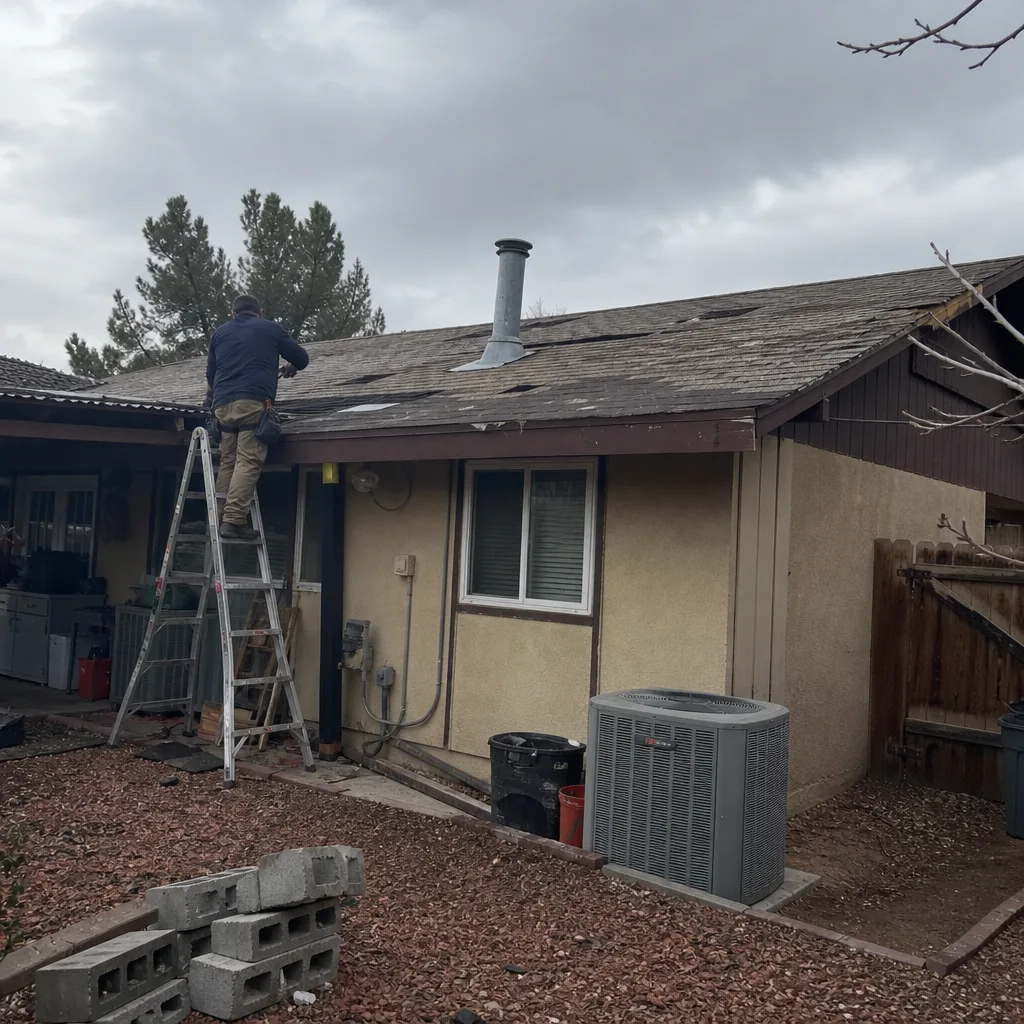 Before
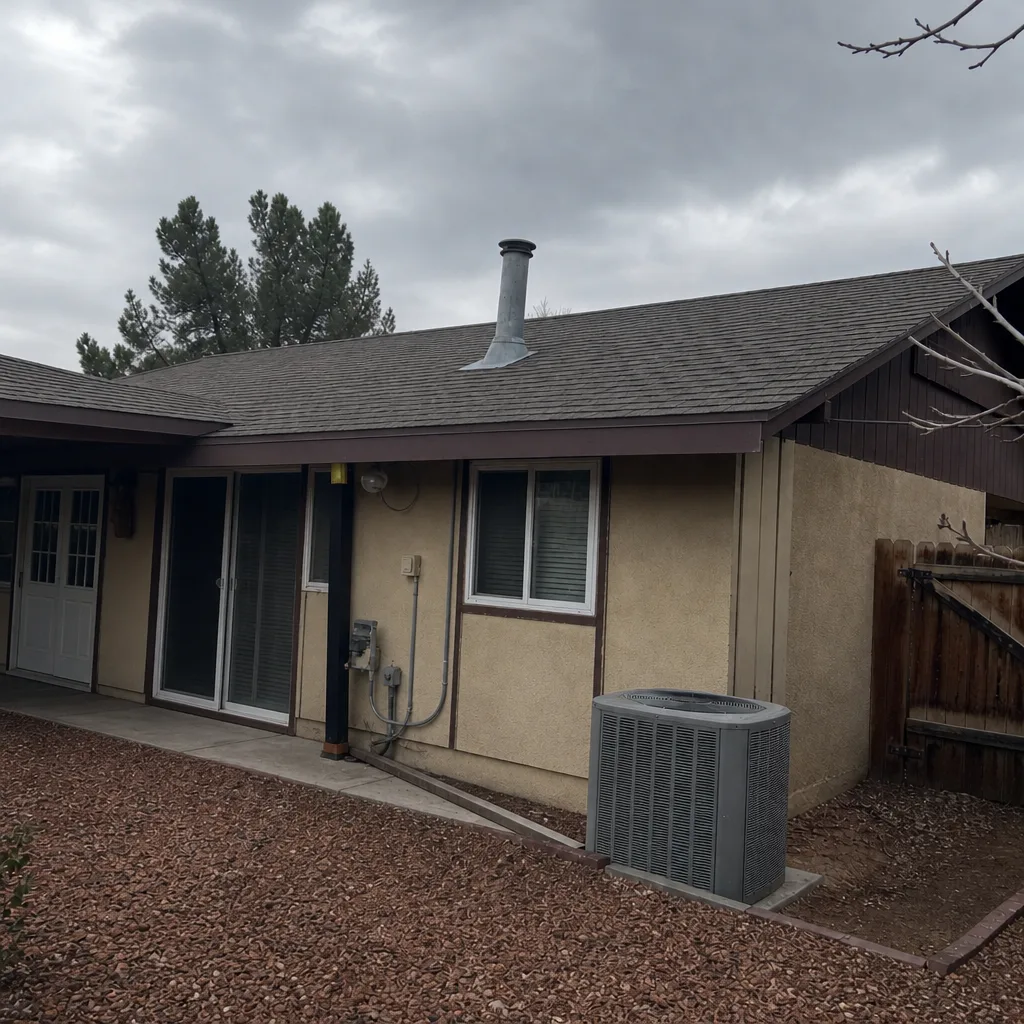 After
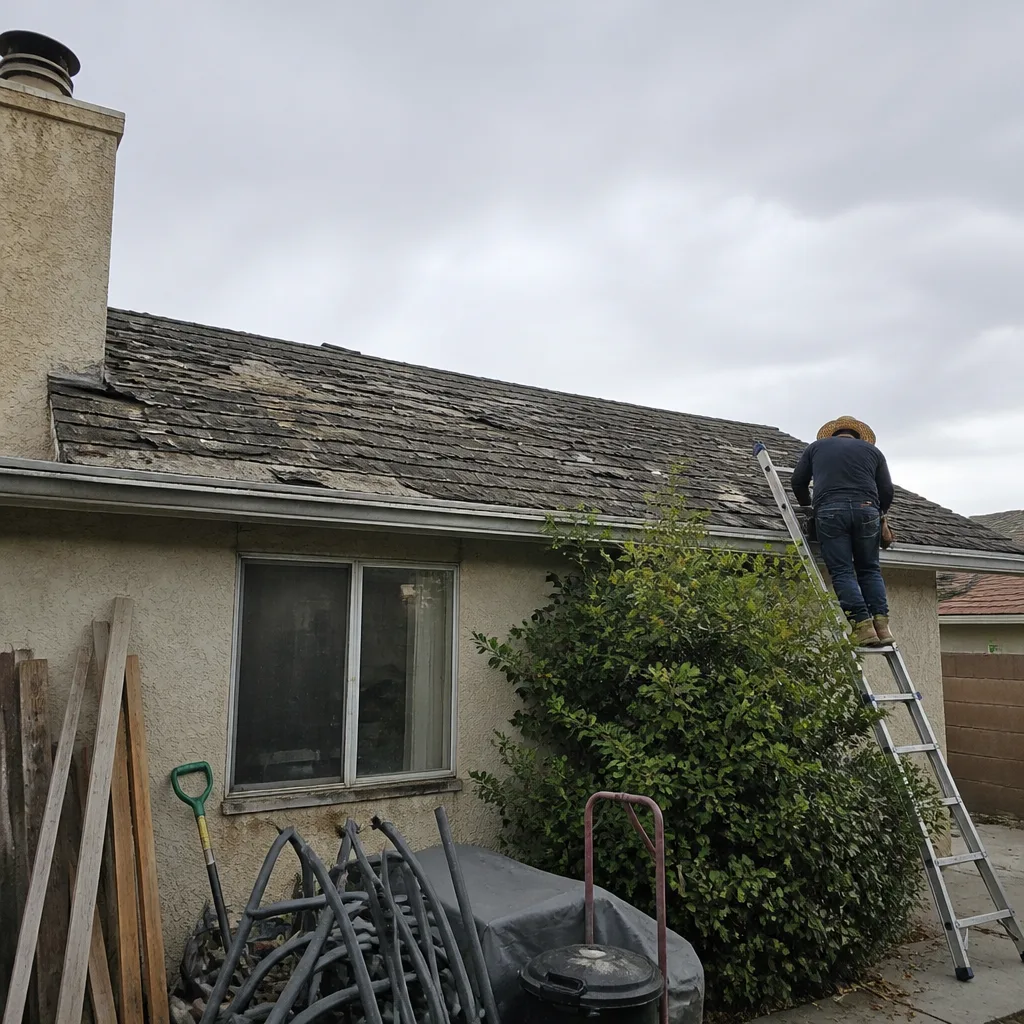 Before
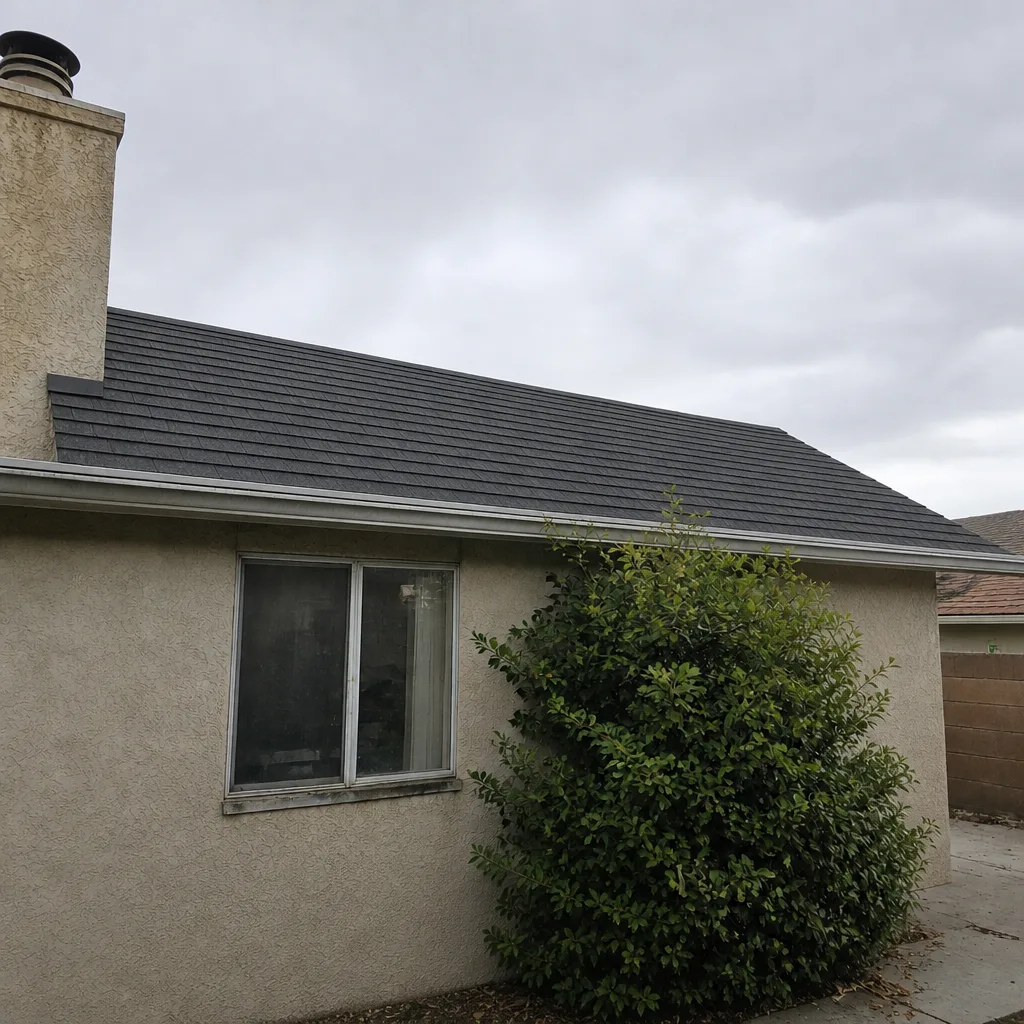 After
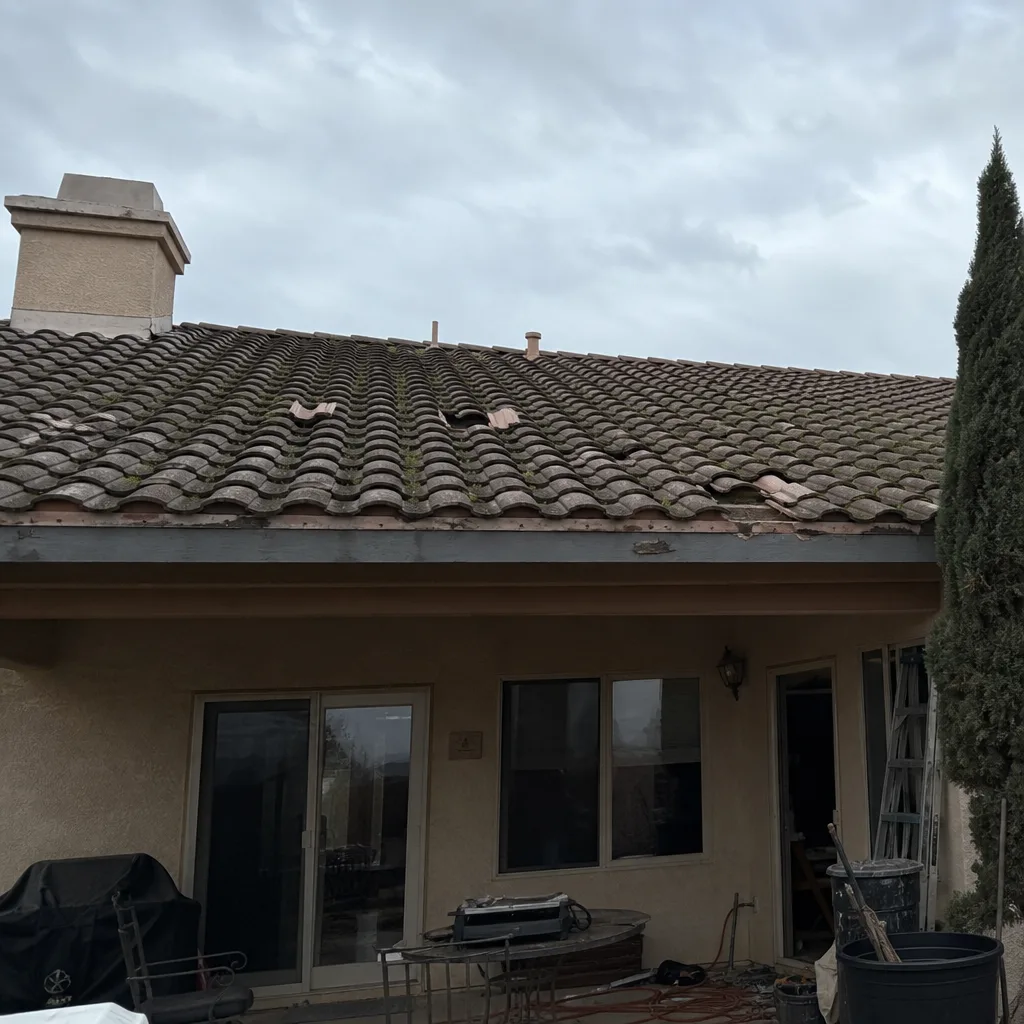 Before
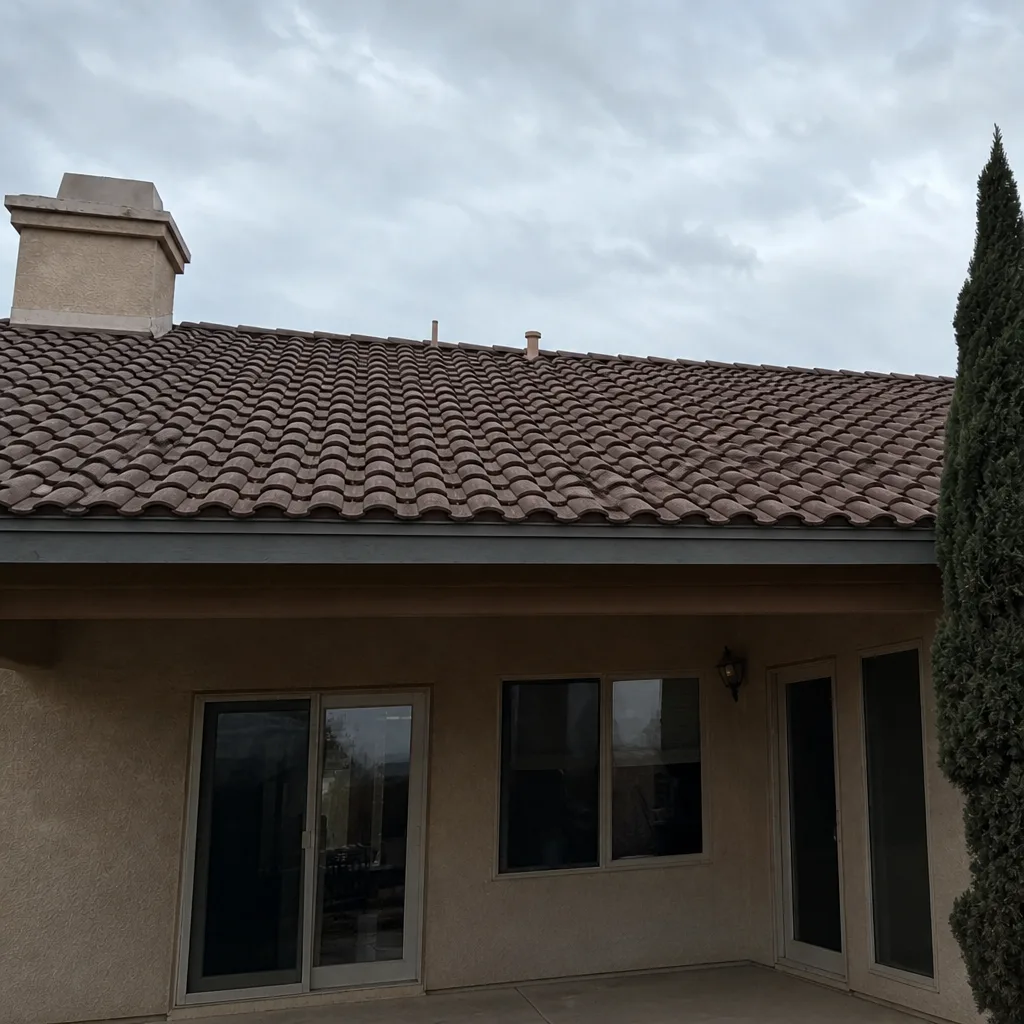 After
When to Call a Professional
Call a roofing professional for anything on the roof surface, in the attic, or in the ceiling below. Missing shingles, granule loss flowing into the gutters, water staining on the ceiling or the attic sheathing, daylight showing through the deck boards, and any sag or soft spot in the roof plane are all signals to get eyes on the roof. Spring Valley’s heat and dry summer cycles put real stress on shingles, and the front edge of a problem usually shows up well before the leak does. Climbing a roof yourself to check it is not the place to save a few hundred dollars; roof surfaces and heights are genuinely dangerous, and a trained professional is the right call for any inspection or work up there. We answer 24/7. Fast dispatch from 7am to 7pm, Sunday through Friday. Call (877) 851-0738 for a free estimate.
Frequently Asked Questions
A typical full roof replacement in Spring Valley in 2026 runs $10,000 to $15,500 for architectural asphalt shingle, $7,000 to $10,500 for 3-tab, $14,500 to $21,500 for Class 4 impact-rated shingle, and higher for tile or metal. The final number depends on roof size in squares, tear-off layers, deck condition, and the specific material tier. A written line-item estimate sets the actual price. Call (877) 851-0738 for a free estimate.
Because they’re usually quoting different products, different tear-off scope, and different ventilation and underlayment specs without labeling any of it. In our experience, a $4,000 to $7,000 spread between bids is more often a scope mismatch than a pricing difference. Ask each bidder to name the material, the number of tear-off layers, the underlayment product by brand, and the deck replacement allowance before comparing totals. Call (877) 851-0738 if you want a written bid that shows those line items up front.
It shouldn’t, if the estimate was written properly. The only item that legitimately changes the price after the tear-off is deck replacement, and that should be quoted as a stated per-sheet allowance in the original estimate, not as an open-ended number. A written line-item quote with a deck allowance is fixed pricing with no change orders beyond that one line. If a contractor won’t put the deck allowance in writing, that’s worth a second look. Call (877) 851-0738 to schedule a free estimate.
Yes, the permit is part of the job. Most Spring Valley roof replacements require a permit from the city, and the typical cost runs $200 to $500 depending on the scope. Permits are pulled and inspections are passed before the job is closed out. The permit line should be visible on every written estimate you receive, not added after the contract is signed. Call (877) 851-0738 for details.
A typical 24-square Spring Valley roof replacement takes two to four days once materials are on site, with the timeline extending if a second tear-off layer is found or deck replacement is needed. Tile and metal take longer than asphalt, because the material handling and substrate prep are more involved. The written estimate should state the expected working days for your specific scope. Call (877) 851-0738 to schedule a free estimate.
An inspection is a documented roof assessment: it looks at the shingles, the flashing, the deck condition where visible, the attic ventilation, and any signs of water intrusion. It produces findings you can act on, whether that’s a repair, a replacement, or simply keeping an eye on the roof for another year. It’s the first step in the workflow, not a sales call. Call (877) 851-0738 to schedule one in Spring Valley.
The Bottom Line
Spring Valley’s 2026 roofing market doesn’t have a pricing problem. It has a comparison problem. Homeowners can’t tell a $12,000 bid from an $18,000 bid when neither one names the product tier, the tear-off layer count, the underlayment spec, or the deck replacement allowance. Strip those variables into lines that match across every bid, and the decision starts getting obvious. Add cost per year of expected life as the tiebreaker, and you’re making a decision on service life instead of sticker price. Our three services (inspection, repair, and replacement) with seven leading material brands behind them exist so that the recommendation fits the roof, not the other way around. Roofing is the only trade we work in, and that’s exactly the point.
Start with an inspection and a free, written estimate. Call (877) 851-0738. We answer 24/7. Fast dispatch from 7am to 7pm, Sunday through Friday. You’ll get a documented starting point and a recommendation you can compare against any other bid on the table. Learn more about Roofing Spring Valley or see how we work in Spring Valley.
Written by the team at Roofing Spring Valley.