
Last updated November 15, 2026
 Metal roofing
 Architectural shingles
 Tile roofing
 GAF
 Owens Corning
 Flat & low-slope
Free roof inspection with deck photos before we talk money - GAF and Owens Corning certified installation
Roofing Permits, Codes & Inspections in Spring Valley, NV: What You Need to Know
Here’s the part of a roof project almost nobody explains: Clark County draws a legal line between a “repair” and a “re-roof,” and once you cross it, a permit is required and the whole job changes. Replace more than 25% of your roof’s surface area within a 12-month window, and you’ve triggered a full re-roof permit, which pulls in deck inspection requirements most homeowners never hear about. The line isn’t printed on an estimate, and some contractors don’t track it either, so it surfaces only when an inspector flags it mid-project. This guide walks through what that threshold means, which forms apply in Spring Valley, and what inspectors actually check.
Quick Answer
In Spring Valley and the rest of unincorporated Clark County, replacing more than 25% of your roof surface within 12 months requires a residential re-roof permit, and the roof must pass both an in-progress inspection (deck and underlayment) and a final inspection before the job is closed out. You’ll also need HOA architectural approval before the county permit is issued, and the permit paperwork must match the underlayment actually installed. Get any of those out of order and the project stalls.
Styles & brands we work with
- Architectural shingles
- Metal roofing
- Tile roofing
- GAF
- Owens Corning
- Flat & low-slope
Table of Contents
- The 25% Threshold: When a Repair Becomes a Re-Roof
- Applying for a Permit on a Spring Valley Parcel
- What Inspectors Actually Check
- HOA Approval vs. County Permit: Which Comes First
- How a Permitted Re-Roof Affects Future Insurance Claims
- Permit Mistakes That Hold Up Projects
- Material Choices That Work With the Permit
- Frequently Asked Questions
The 25% Threshold: When a Repair Becomes a Re-Roof
That 25% figure is the single most important number in Clark County roofing permit law. Replace a quarter or less of the roof surface across any 12-month period and a repair permit may be all you need. Cross that line and the county treats the work as a full re-roof, which means the entire roof gets inspected, not just the section you touched.
The trap is the rolling 12-month window. A homeowner who patches 15% of the roof in spring and another 20% after monsoon damage later in the year has gone past the threshold without realizing it. Two separate repair invoices, two separate contractors, same roof, and once the total exceeds 25% the county wants a re-roof permit. In our experience this catches people in Spring Valley often, because the valley’s intense summer sun and monsoon season produce scattered damage across a roof rather than one concentrated failure.
Three practical points to keep in mind:
- Log your repairs. Keep a simple record of the date and approximate area of every roof repair on the house. If you ever sell or file a claim, that record is the proof you didn’t cross the threshold.
- Ask the contractor to state the percentage. A written estimate on a repair should say, in plain language, how much of the roof surface the work covers.
- Don’t assume a big repair is automatically a re-roof. A single large section that stays under 25% can still be handled as a repair. The percentage, not the dollar amount, is what matters.
The reason the county cares so much is deck condition. A full re-roof permit triggers an inspection of the sheathing underneath, which is where the real problems hide in Spring Valley’s housing stock, especially on roofs past two decades. Sun-driven expansion and contraction loosens fasteners, moisture finds its way under failed underlayment, and a section that looks fine from the driveway can have soft deck boards a repair would have covered up without ever being caught. For a deeper look at the repair side of this, see roof repair.
Applying for a Permit on a Spring Valley Parcel
Here’s where Spring Valley changes things. Much of the community is unincorporated Clark County rather than city of Las Vegas jurisdiction, and unincorporated parcels follow the county’s permit process and form set. A chunk of Spring Valley addresses sit within incorporated limits, and those follow whichever municipality governs them. Before a single shingle comes off, confirm which jurisdiction your parcel falls under, because filing with the wrong office is an instant delay.
For a residential re-roof, expect the application to require:
- Property owner information and parcel/APN details. This is how the county ties the permit to the correct property record.
- Scope of work describing tear-off vs. overlay, the approximate square footage, the roof pitch, and the number of layers being removed.
- Product specifications and manufacturer literature for the roofing material being installed, so the county can confirm it meets code.
- Underlayment specification naming the exact product type, not a general category. This detail causes more permit holds than any other.
- Ventilation plan showing intake and exhaust calculations for the attic.
- Contractor licensing and a licensed contractor’s signature on the application if a professional is doing the work.
- HOA architectural approval where the community has one, attached to the packet.
Pull together the address, parcel number, HOA approval letter, and product specs before you start, and the application moves fast. Leave out the underlayment detail or the ventilation numbers and you’ll be back at the counter. Because roofing is the only trade we work in, we build permit packets like this every week and know what the county wants to see on the first pass.
What Inspectors Actually Check
Clark County runs re-roof projects through an in-progress inspection and a final inspection. The in-progress visit happens after tear-off and deck work but before the finished roofing goes on, which is why the scheduling has to be right. Let the crew lay the finished surface before the inspector has seen the deck and you may be pulling material back off.
In-Progress Inspection
- Deck condition. Inspectors look for soft or rotted sheathing, proper fastening, and adequate attachment of the deck to the structure. Any board that fails gets replaced and documented.
- Underlayment type and installation. The underlayment installed has to match what the permit specifies. Fit a product other than the one named on the permit and the inspector can stop the job until the paperwork is corrected or the material replaced.
- Flashing and penetrations. Chimneys, valleys, and pipe boots get checked at this stage. An HVAC curb on the roof that isn’t re-flashed and noted on the permit is a common fail point.
- Ventilation provisions. Intake and exhaust openings are checked against the calculations submitted with the permit, so a roof that seals up tighter but vents less can fail right here.
Final Inspection
The final visit confirms the completed roof matches the approved scope: correct materials, finished flashing and terminations, and clean workmanship around edges and ridges. Pass this and the permit closes out with a clear record on the property. That record matters more than most people realize, which is the point of the next two sections.
HOA Approval vs. County Permit: Which Comes First
HOA architectural approval comes first. That’s the rule, and getting it backward is one of the most avoidable delays in Spring Valley. Large parts of the community are governed by HOAs with architectural review committees, and those committees care about how the roof looks: material type, color, profile, and sometimes a specific product from an approved list. The county cares about whether the roof is built to code. You need both, and the HOA sign-off usually has to be attached to the county permit application, so a county permit issued before the HOA approves the roof color can leave you reworking the submittal.
Here’s the sequence that works:
- Confirm your jurisdiction is unincorporated Clark County or a specific city.
- Read your HOA’s architectural guidelines and approved roofing materials list.
- Submit the HOA architectural application with specs, samples, and color.
- Get written HOA approval in hand.
- Submit the county permit application with the HOA approval attached.
- Schedule the in-progress inspection before finished roofing goes on.
- Pass the final inspection and close out the permit.
Where it gets interesting: an HOA may approve a tile profile or color the county specs don’t address, and that’s fine, but the reverse can hurt you. Choosing a material that meets county code but isn’t on the HOA’s approved list means starting over. Reading both sets of requirements before you settle on a product saves a lot of that pain. A documented Roofing Spring Valley assessment gives you the roof profile you need to pick a material that clears both gates.
How a Permitted Re-Roof Affects Future Insurance Claims
A permitted and inspected re-roof creates a public record that the roof was replaced to code. That record is what protects you later. When a future claim lands on a roof with no permit history, an insurer can question the roof’s age, condition, and installation quality, and that’s where depreciation disputes and denied portions of a claim come from. A closed permit with passed inspections answers those questions before they’re asked.
Three ways the permit record earns its keep:
- It documents the installation date and scope. Insurers and future buyers can verify when the roof was replaced and what was installed.
- It separates a storm event from wear. If the roof was inspected and closed out clean, damage from a specific event is easier to attribute to that event rather than to age.
- It prevents the “unpermitted work” problem. An insurer that finds a full roof replacement done without a permit has grounds to push back on a claim. Unpermitted work is a red flag on any property record.
If you’re weighing a roof replacement, get the permit and the inspection record as part of the deal. It’s not paperwork for its own sake; it’s the difference between a straightforward claim and a fight in five years. Keep the final inspection approval with your home documents, right next to the warranty paperwork.
Common Mistakes That Hold Up Projects
The permit process itself is straightforward. The delays come from a handful of repeat offenders we see over and over in the valley.
- Wrong underlayment specified on the permit. The permit names a specific underlayment type. If the crew shows up with a different product, the in-progress inspection fails. Confirm the material on the permit matches the material on the roof before the order is placed.
- Missing HVAC curb re-flash notation. Roof-mounted HVAC curbs need re-flashing on a re-roof, and if it isn’t written into the permit scope, the inspector can flag it as missing work. List it explicitly on the application.
- Ventilation calculations left out. A re-roof changes attic airflow, and the county wants to see the numbers. Submit intake and exhaust calculations with the application so the inspector has them at the in-progress visit.
- HOA approval skipped or done second. County permit without HOA sign-off usually means a resubmittal. Get the HOA letter first, every time.
- Crossing the 25% threshold by accident. Two repairs six months apart can add up past the line without anyone noticing. Track repair area across the rolling 12 months, not just per job.
- Calling for final inspection early. The finished roofing goes on before the final, but not before the in-progress visit. Sequence the inspections and the job flows. Out of order and you may be undoing work.
- Letting the crew start before the permit is issued. Work started without a permit is a problem for the property record and for insurance, and it forces a retroactive approval process that’s slower than doing it right the first time.
Material Choices That Work With the Permit
The material you choose has to satisfy three parties: the HOA, the county, and the roof underneath it. That’s where having real options helps. We install products from seven of the industry’s leading brands, including GAF, CertainTeed, Owens Corning, IKO, Atlas, Tamko, and Boral, so the recommendation fits your roof profile and budget rather than one supplier’s catalog.
In Spring Valley, material choice gets shaped by the climate more than anything else. Intense summer sun and heat cycling are the long-term enemies, and monsoon season brings concentrated rain that finds every weak point in flashing and underlayment. That’s why the underlayment specification on the permit matters so much here: it’s the layer doing the real weatherproofing on a pitched roof.
Options by tier, generally:
- Value tier: standard asphalt shingle systems from brands like IKO or Tamko that meet code and hold up, priced at the accessible end of the range.
- Mid-range: architectural shingles from GAF or CertainTeed with longer service life and better wind performance.
- Premium: heavier architectural lines and Boral’s tile and stone-coated options where the HOA and structure allow.
Each tier carries different permit implications: tile adds weight and may need structural review, and some products have their own installation specifications the county will want to see. Sit down with the specs before you fall in love with a color. Choosing across multiple manufacturers means the material guidance is driven by your roof, not by a single-supplier relationship, and the permit packet reflects exactly what gets installed.
When to Call a Professional
The permit side of a roof project is where a homeowner can lose real time. Call a professional if any of these apply: you’re close to or past the 25% threshold and aren’t sure whether you need a repair permit or a full re-roof permit; your HOA has an approved materials list and you don’t know which products clear both the HOA and county code; an inspector has flagged your project and you need the paperwork corrected; or your roof is showing scattered sun and monsoon damage across multiple sections, which makes the 25% math tricky to track on your own. We handle the full lifecycle in one place: inspection, material selection, install, and the permit paperwork that ties it together.
Roofing Spring Valley offers free estimates in Spring Valley. Every estimate is written, line-itemed, and grounded in a documented inspection before any spend. Our technicians have up to 13 years of experience. Call (877) 851-0738. We answer 24/7. Fast dispatch from 7am to 7pm, Sunday through Friday.
Frequently Asked Questions
It depends on how much of the roof you’re replacing. In unincorporated Clark County, a repair that stays under 25% of the roof surface within a rolling 12-month period generally doesn’t require a full re-roof permit, but cross that line and a re-roof permit is required. Track your repair area across the year, not just per job. Call (877) 851-0738 and we can help you figure out which side of the line your project falls on; estimates are free.
Yes. In Clark County, replacing more than 25% of the roof’s surface area in a 12-month window triggers a full re-roof permit, which brings in a deck inspection and a final inspection. The county is verifying the underlying sheathing and underlayment, not just the finished surface. Call (877) 851-0738 for an exact read on your roof and a free estimate.
HOA approval comes first. Submit your architectural application and get written sign-off before the county permit is filed, because the HOA letter typically has to be attached to the permit packet. Doing it in the wrong order means a resubmittal. Call (877) 851-0738 if you want the sequence mapped out for your community; estimates are free.
The in-progress inspection checks deck condition, underlayment type, flashing and penetrations including any HVAC curb re-flash, and ventilation provisions. The final inspection confirms the finished roof matches the approved scope. Both have to pass before the permit closes. Call (877) 851-0738 and we’ll walk you through what your roof needs before the inspector ever sees it; estimates are free.
Yes. An insurer that finds a full roof replacement done without a permit and inspection record can push back on a future claim or question depreciation. A permitted, inspected re-roof gives you documented proof of installation date and scope. Call (877) 851-0738 to talk through the permit side before you commit to a replacement; estimates are free.
Timelines vary with the county’s current workload and the completeness of your application, so there’s no single answer, but the biggest variable is how clean the submittal is. Complete form sets, correct underlayment specs, ventilation calculations, and HOA approval in hand all shorten the process. Call (877) 851-0738 for a free estimate and a clear read on the sequence for your property. If you’re still early in the decision, start with an inspection and a look at our approach to Spring Valley roofs.
The Bottom Line
The 25% threshold is the number that decides whether your project is a repair or a full re-roof, and it’s the number most people never check. Confirm your jurisdiction, get HOA approval first, then file the county permit with the correct underlayment spec, HVAC curb re-flash noted, and ventilation calculations attached. Pass the in-progress inspection before finished roofing goes on, close out the final, and keep that record. It protects you at resale and at claim time. None of it is complicated; it just has to be done in order.
If you’d rather hand the permit sequence to a team that does nothing but roofs, call Roofing Spring Valley at (877) 851-0738. Start with an inspection, get a documented assessment, and choose material from brands like GAF, CertainTeed, and Owens Corning that fit your roof and your budget. Every estimate is free and written. We answer 24/7. Fast dispatch from 7am to 7pm, Sunday through Friday.
Written by the team at Roofing Spring Valley.
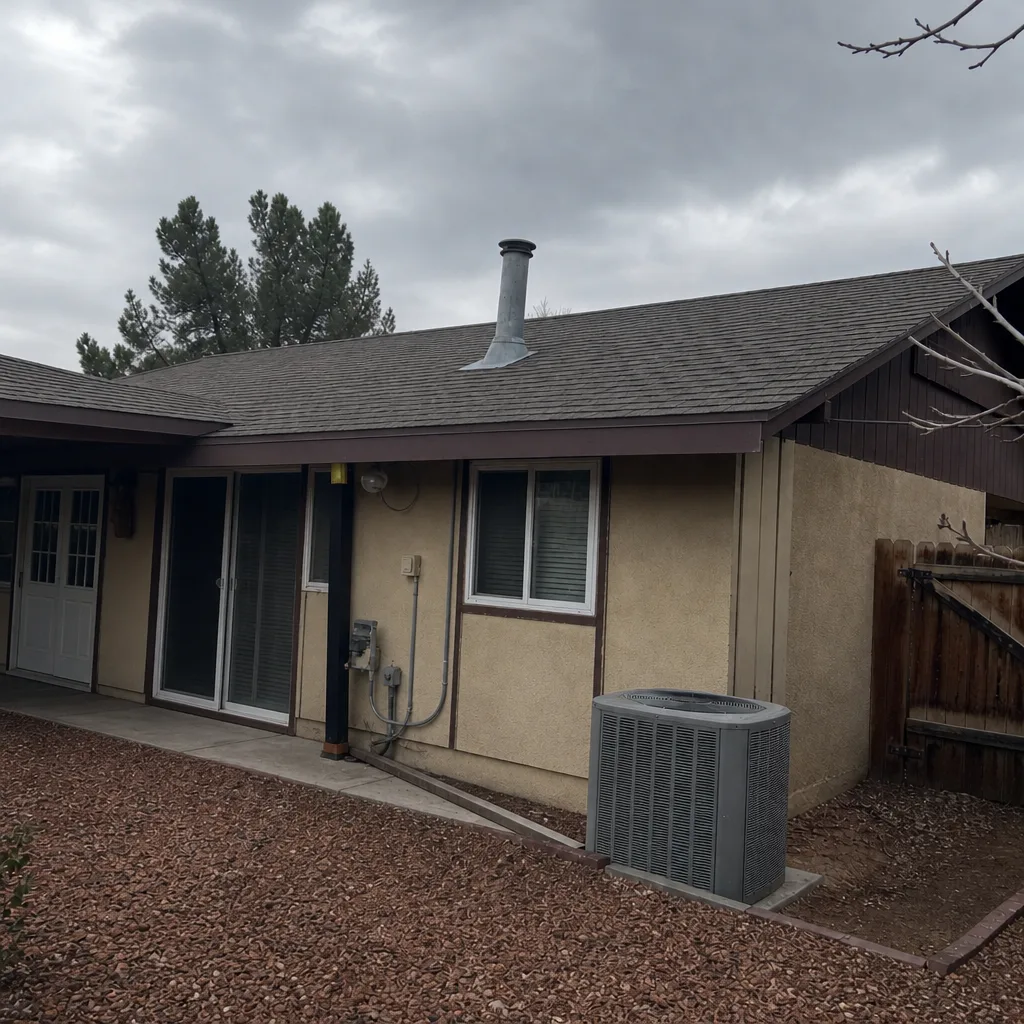
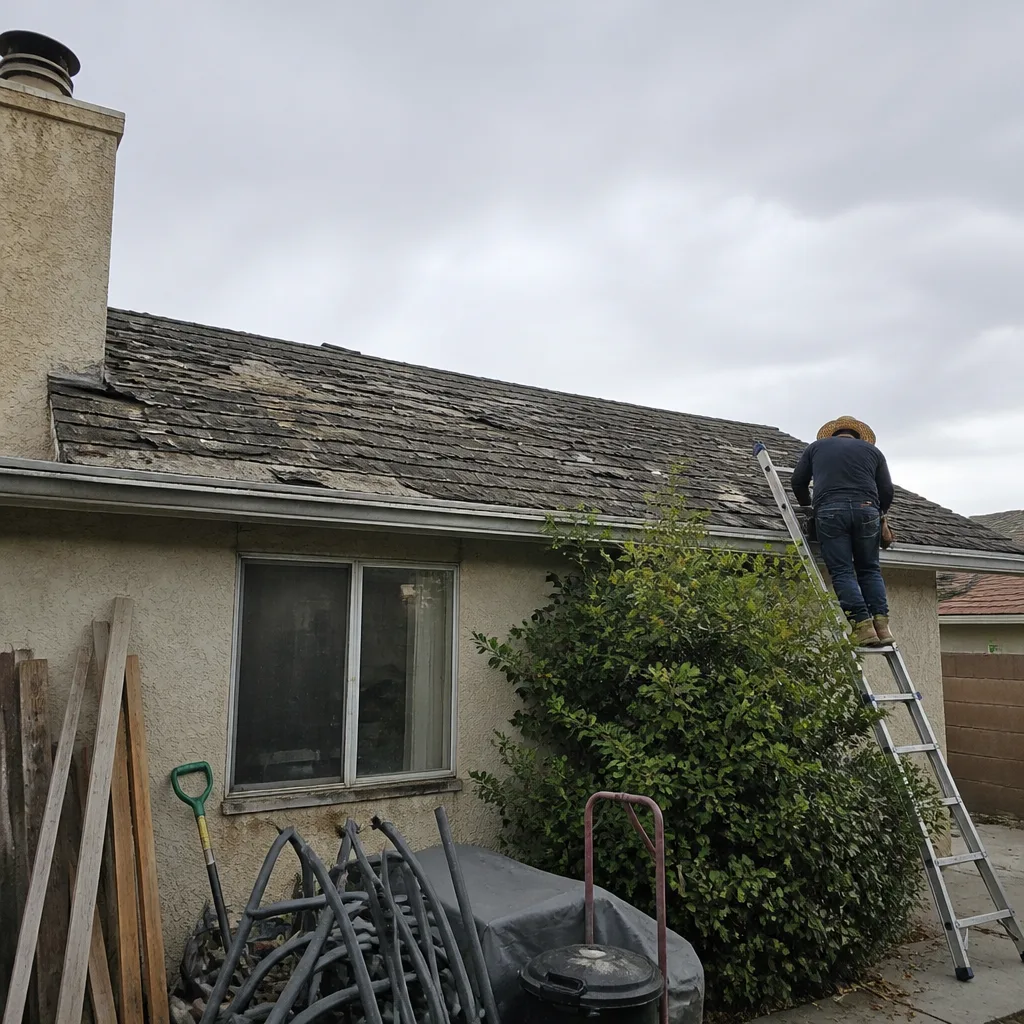
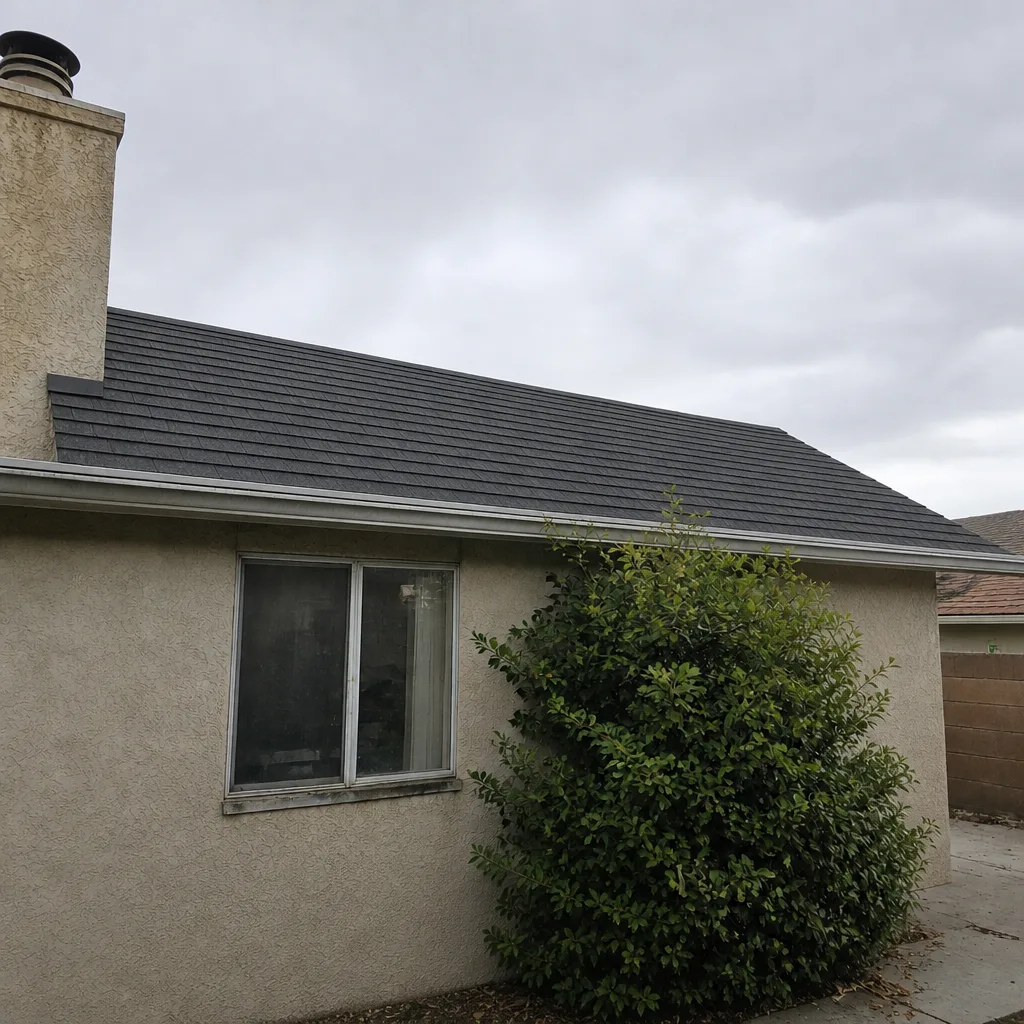
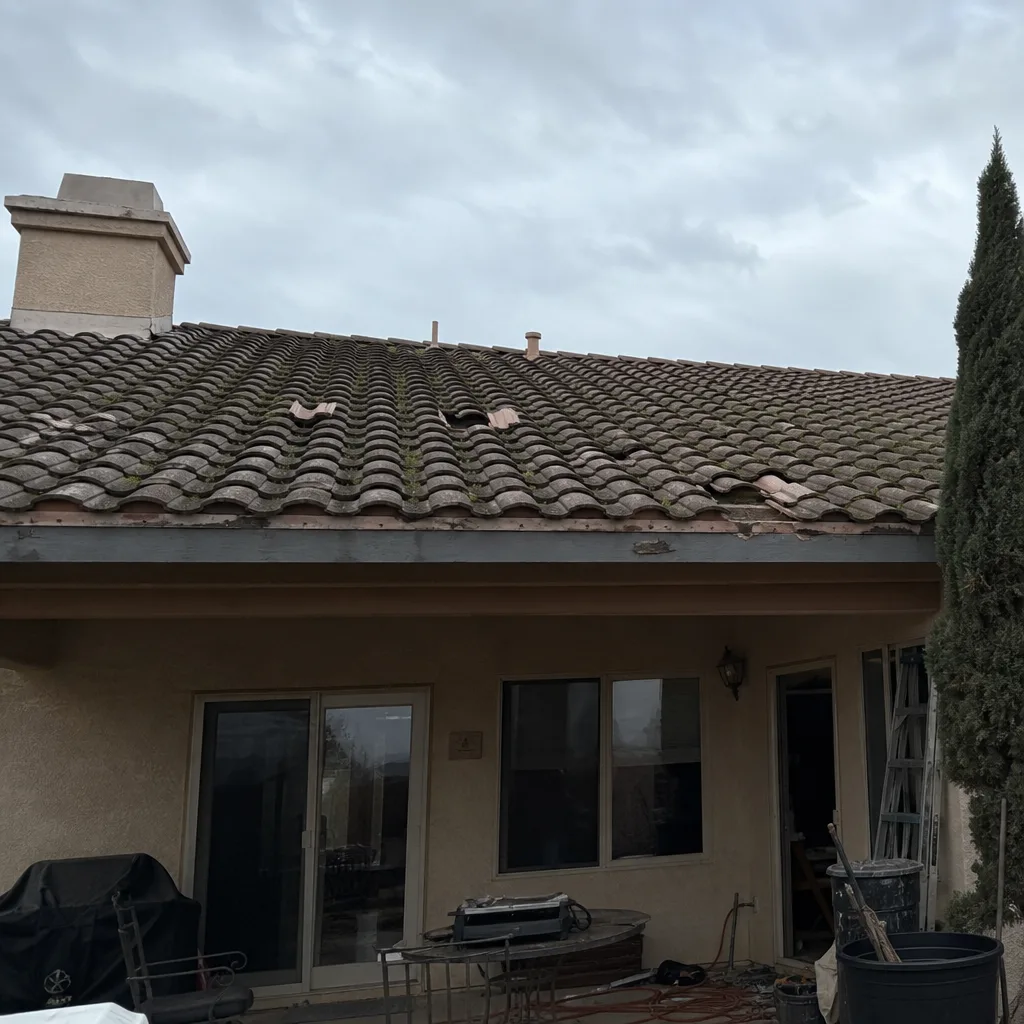
See the difference
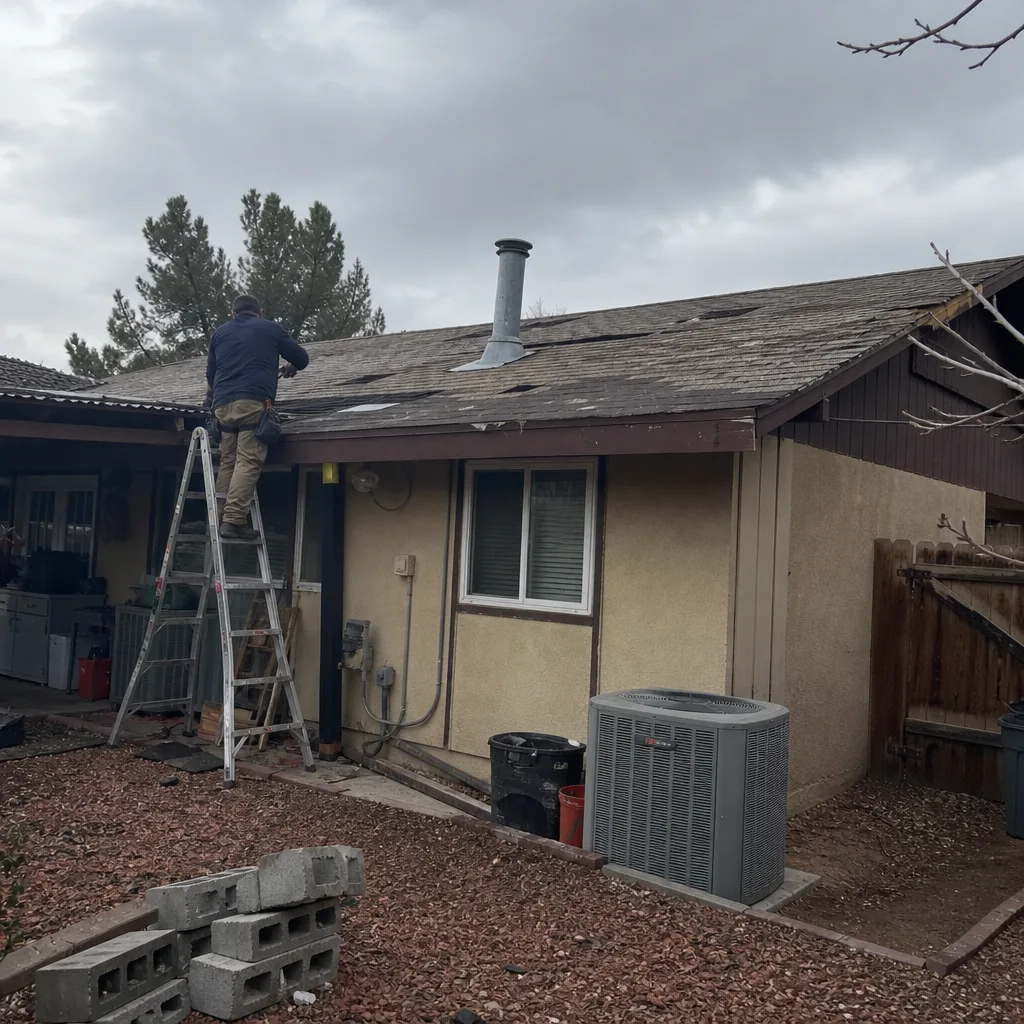 Before
 After
 Before
 After
 Before
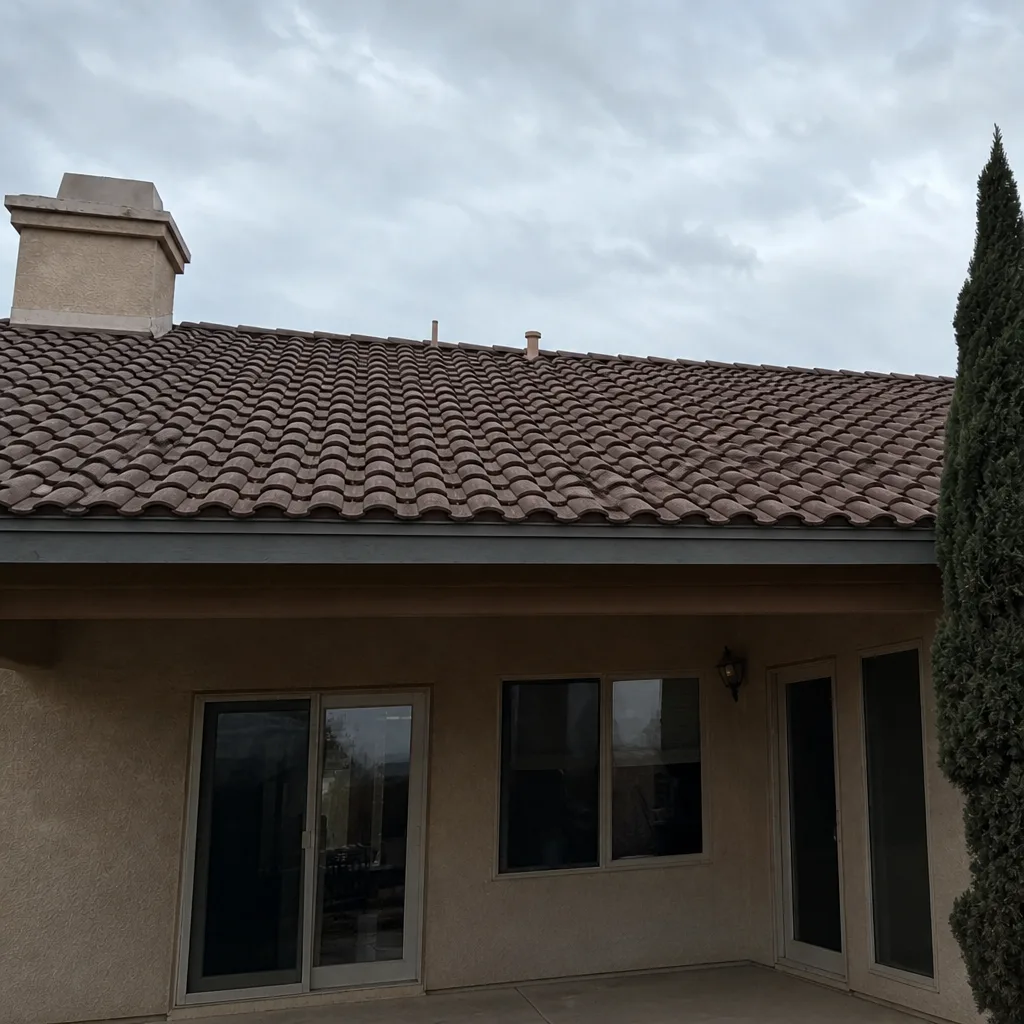 After