
Last updated November 15, 2026
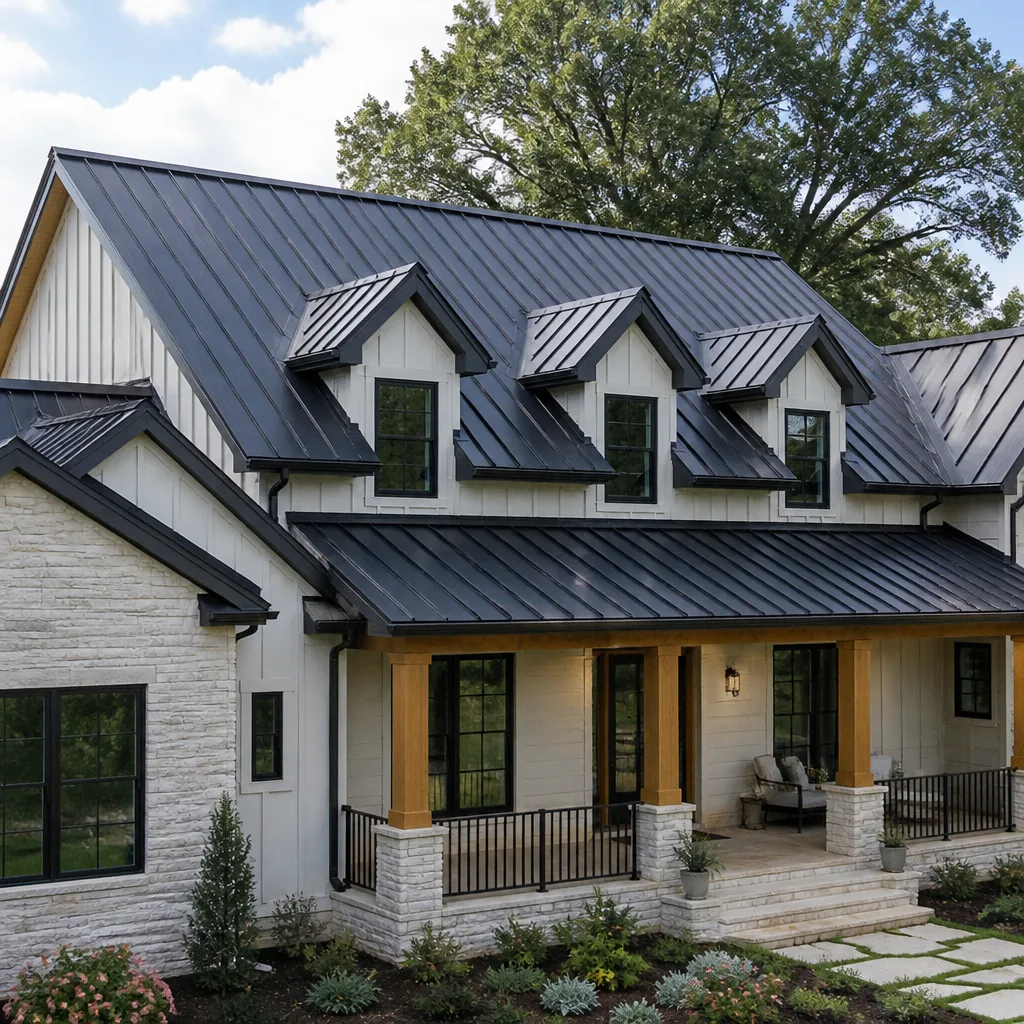 Metal roofing
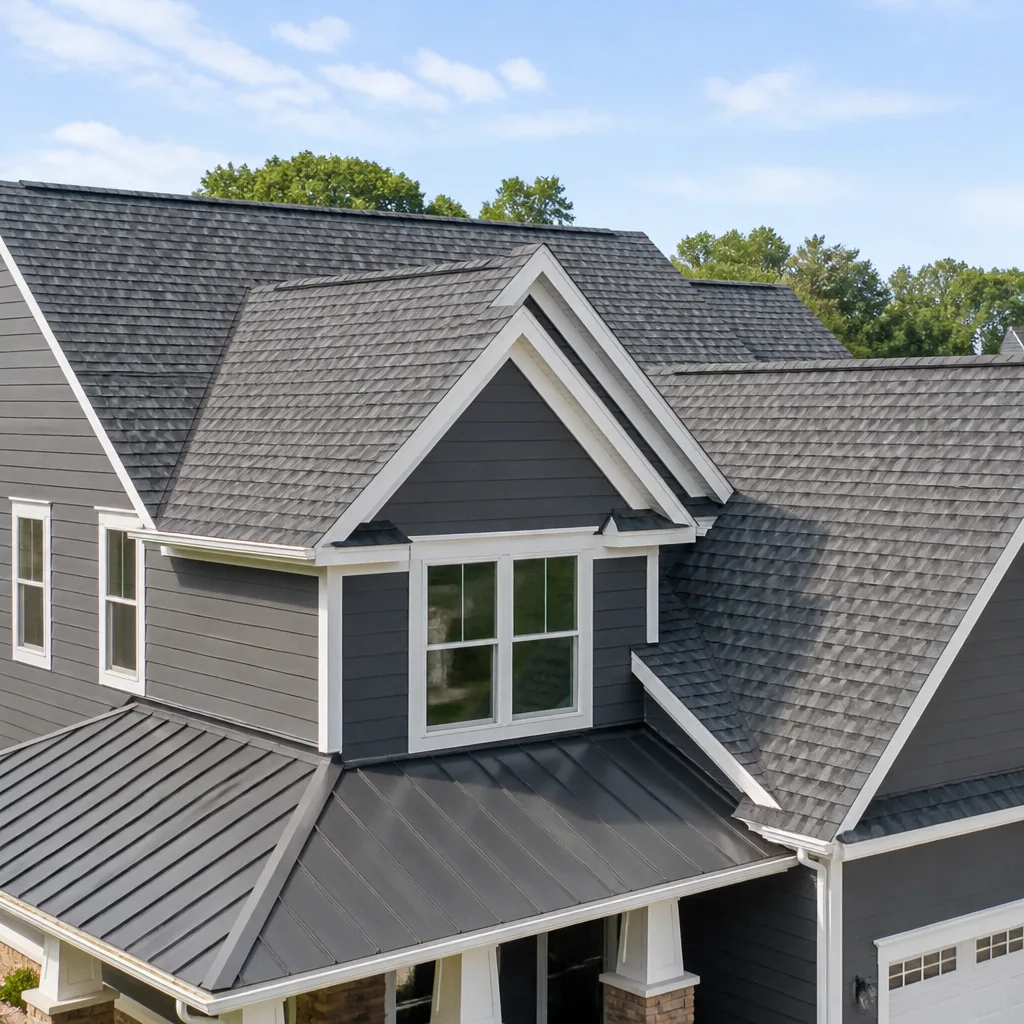 Architectural shingles
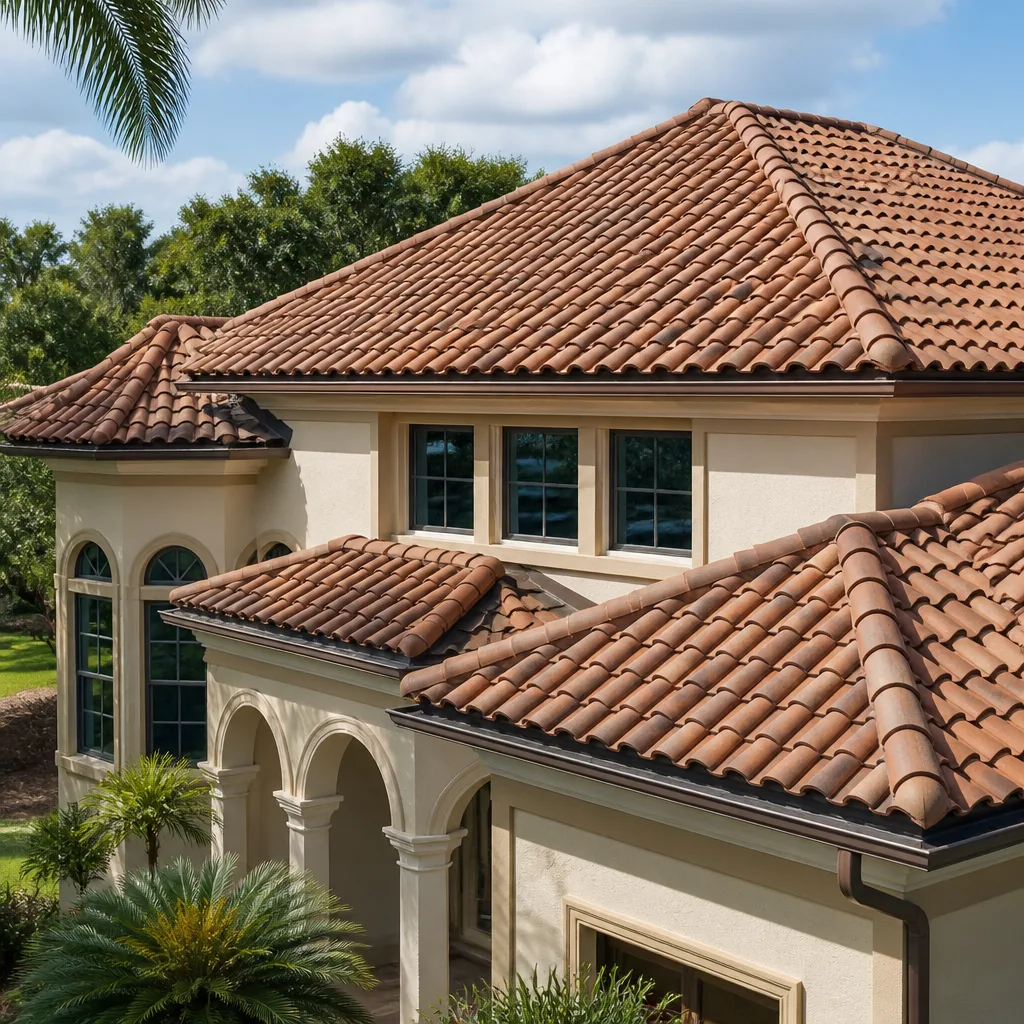 Tile roofing
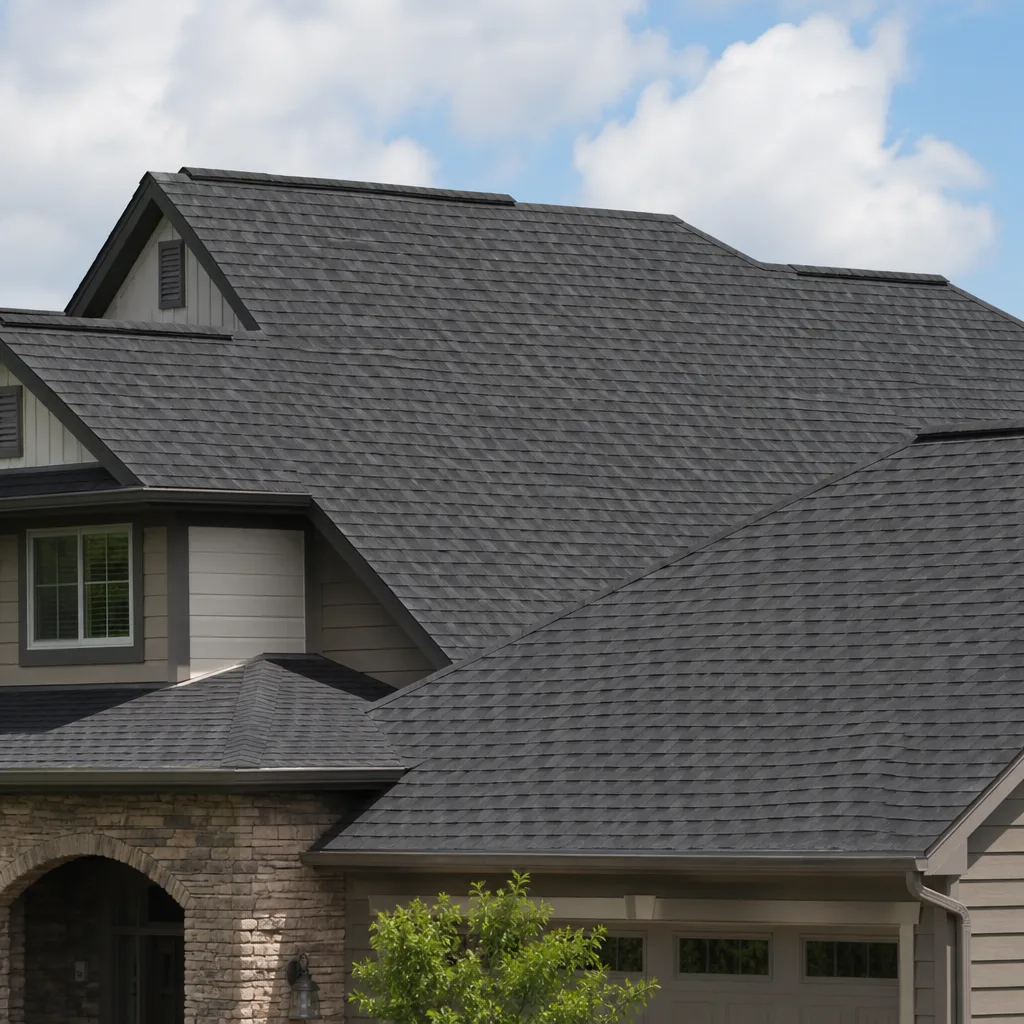 GAF
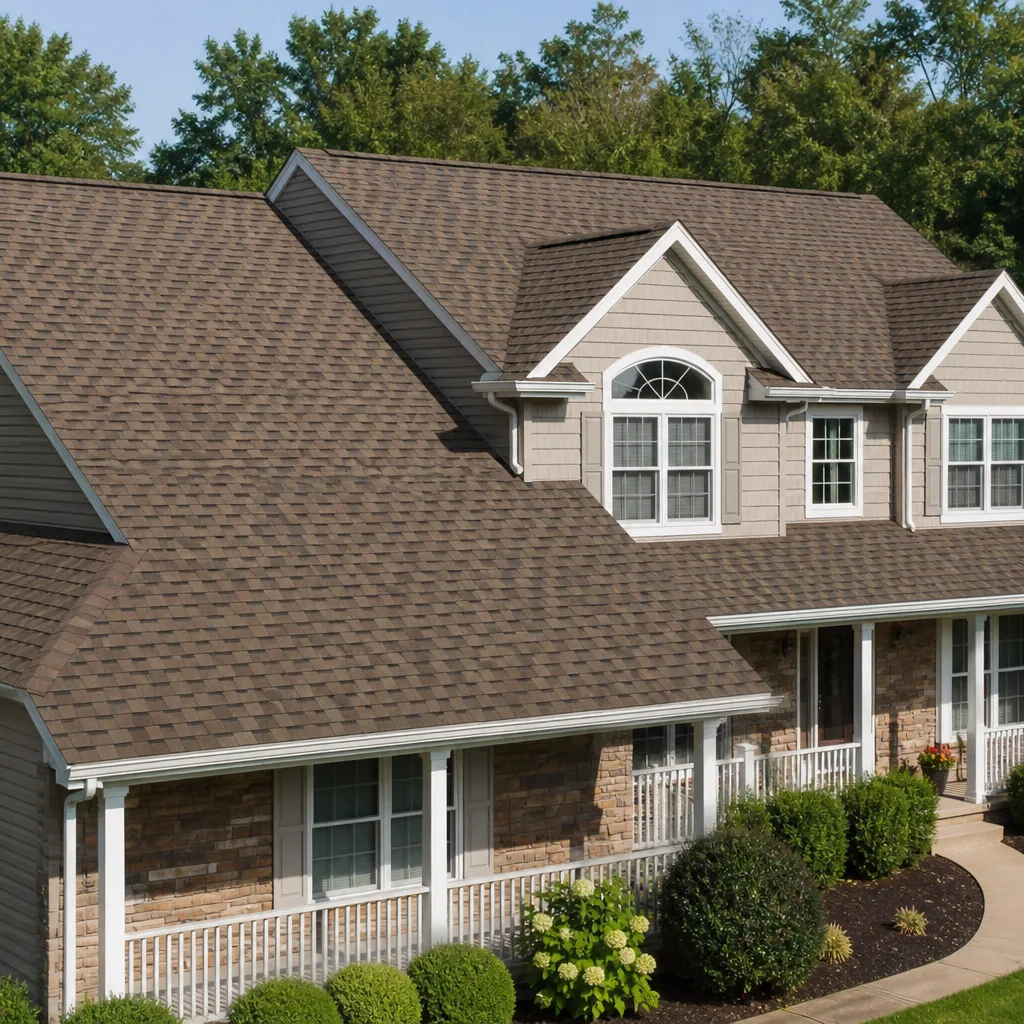 Owens Corning
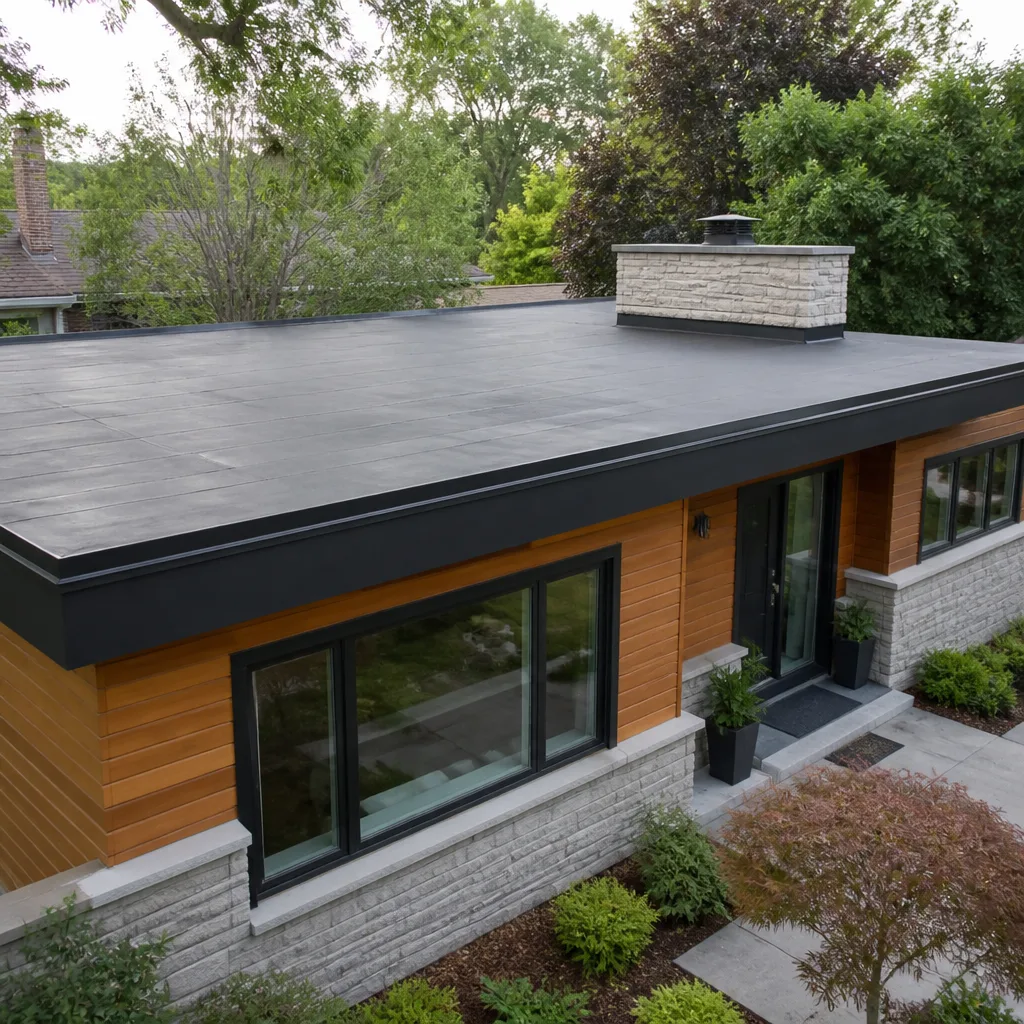 Flat & low-slope
Free roof inspection with deck photos before we talk money - GAF and Owens Corning certified installation
Choosing the Right Roofing Brand: A Buyer’s Guide for Spring Valley
Most homeowners pick a shingle by color. Then they pick a contractor by whoever answered the phone first. That order is backwards, and in Spring Valley it costs real money. The brand you choose decides what happens to your roof after several summers of intense high-desert sun, not what it looks like in the driveway on install day. Two shingles that look identical on a sample board can carry different solar reflectance values, different wind uplift ratings, and different warranty language about heat and ventilation. This guide walks through what actually matters: how to read a manufacturer’s warranty, how to compare the seven major brands we install, how roof geometry should drive product selection, and where contractor certification fits in. By the end you’ll know how to ask better questions, and you’ll know why a repair might be the smarter first move than replacement.
Quick Answer
The right roofing brand in Spring Valley is the one whose product line matches your roof’s pitch, sun exposure, and budget, and whose warranty your installer is certified to honor in full. There’s no single best brand. GAF, CertainTeed, Owens Corning, IKO, Atlas, Tamko, and Boral all make capable products, but each has lines that perform better on low-slope ranch roofs and lines built for steeper pitches. Choose the product tier first, then confirm the installer’s certification for that specific manufacturer.
Styles & brands we work with
- Architectural shingles
- Metal roofing
- Tile roofing
- GAF
- Owens Corning
- Flat & low-slope
Table of Contents
- Why Brand Selection in Spring Valley Is an Engineering Decision
- The Seven Brands We Install and What Each Is Good At
- The Desert Metrics That Actually Matter
- How to Read a Limited Lifetime Warranty Without Getting Fooled
- Class 4 Impact Ratings and What They Mean for Nevada Homeowners
- Matching Brand to Roof Geometry
- Why Contractor Certification Changes What Warranty You Actually Get
- Common Mistakes to Avoid
- When to Call a Professional
- Frequently Asked Questions
- The Bottom Line
Why Brand Selection in Spring Valley Is an Engineering Decision
GAF and Owens Corning both hold large shares of the national shingle market, and on a brochure they read almost the same. The differences show up in the technical data sheets: granule formulations, solar reflectance ratings, and the way each manufacturer’s warranty treats heat and ventilation. On a south-facing roof in Spring Valley, those differences translate directly into surface temperature and how long the asphalt stays flexible before it starts to crack.
A roof here takes a specific beating. Summer surface temperatures on dark shingles climb far above air temperature, then drop sharply after sundown. That daily expansion and contraction cycle is what ages a shingle, and it’s more aggressive on a west- or south-facing plane than on a north-facing one. Add the UV load at this elevation and the material spec stops being academic. A product with a higher solar reflectance index runs cooler, which slows the aging cycle and can ease the load on your cooling system.
Wind matters too, though less dramatically than heat. Spring Valley sits in a region where gusty conditions are part of the seasonal pattern, so the wind uplift classification of a shingle matters for edge exposure and ridge caps. This is why we start every conversation with an inspection rather than a brand pitch. The inspection tells us the pitch, the deck condition, the existing ventilation, and where the sun hits hardest. From there the brand choice follows the roof, not the other way around.
That’s the core of the argument: in a desert climate, brand selection is closer to an engineering decision than a marketing one. The label on the wrapper is the last thing that should drive your choice, not the first.
The Seven Brands We Install and What Each Is Good At
We install products from seven of the industry’s leading brands: GAF, CertainTeed, Owens Corning, IKO, Atlas, Tamko, and Boral. Working across that roster means our material guidance is driven by your roof profile and budget, not by a single-supplier relationship. Here’s a general read on where each tends to fit.
- GAF – Broad product range from value to premium, with strong documentation and a well-organized warranty structure. Good default when you want a clear tiered choice without narrowing the search too early.
- CertainTeed – Known for design-forward profiles and a wide color palette. Worth a look if an HOA restricts your color options or you want a specific architectural look on a visible slope.
- Owens Corning – Solid across the mid-range and premium tiers, with well-documented technical data. Frequently a strong fit where heat performance and a defined warranty ladder both matter.
- IKO – Often competitive at the value end, which helps when the budget is fixed and the roof is straightforward.
- Atlas – Mid-range options with a focus on shingle construction and reinforcement; worth comparing against larger brands at the same price point.
- Tamko – Long-standing shingle lines that often land between value and mid-range, useful for keeping a replacement estimate within a set figure.
- Boral – Best known for tile and stone-coated products. Relevant if you’re considering a heavier, longer-lived roof or want to match a tile profile already common on neighboring homes.
The value of carrying all seven is simple: when a repair vs. replacement conversation starts, we can present real alternatives across price tiers instead of steering you to whichever brand happens to be stocked. We’ll tell you when a repair is the right answer and when it isn’t, and we’ll tell you which brand tier fits the roof in front of us.
The Desert Metrics That Actually Matter
Most brand comparison articles focus on color and curb appeal. In Spring Valley, three data-sheet numbers do far more work: impact rating, solar reflectance, and algae resistance. Ask for them by name and watch how the conversation changes.
- Impact rating. This is the Class 1 through Class 4 scale for impact resistance, tested under standards like UL 2218. Class 4 is the top rating. In this region hail is uncommon, so you’re not buying Class 4 to survive a hailstorm you’ll probably never see. You may be buying it for an insurance consideration and for general impact resistance from debris and foot traffic.
- Solar reflectance index (SRI). A higher SRI means the shingle reflects more sun and absorbs less heat, so the surface stays cooler. Cooler surfaces slow the thermal aging cycle and reduce heat pushed into the attic. In a place with this much sun, SRI is the single most useful number on the data sheet.
- Algae resistance. Manufacturers rate algae resistance on a scale (typically stated as a 10-year, 20-year, or 25-year rating). Spring Valley is dry, so algae is less of a driver than it is in humid climates, but the rating still tells you about the granule chemistry, which relates to how the shingle handles UV.
One more metric is worth knowing about even though it doesn’t appear on most data sheets: wind classification. The ASTM D3161 standard grades shingles for wind resistance, and steeper, more exposed slopes benefit from the higher classes. Ask your installer what class the specific product carries rather than accepting a general “it’s rated for high winds.”
When you line up the seven brands on these three numbers instead of on color, the choice usually narrows fast. If you want the full picture of how we assess a roof before recommending a product, start with an inspection through Roofing Spring Valley – findings first, materials second.
How to Read a Limited Lifetime Warranty Without Getting Fooled
“Limited Lifetime” is a marketing term, not a promise that the roof outlives you. Every manufacturer we install offers a warranty with that name, and every one of them has exclusions that matter more than the headline. Learn to read the exclusions and you’ll avoid the single most common disappointment in roofing.
Here’s how to read one:
- Read the coverage periods separately. Most “lifetime” warranties split into an initial period of full coverage and a later period of prorated coverage. Know where each switches.
- Look for the installation-method exclusion. Many warranties require a specific nailing pattern, a specified underlayment, or a specific number of fasteners per shingle. A crew that shortcuts any of these can void coverage on the whole roof.
- Check the ventilation requirement. Warranties commonly require attic ventilation within a defined range. In a Spring Valley attic that runs hot, poor ventilation is a real factor in shingle failure, and manufacturers know it. If ventilation isn’t corrected, a heat-related claim can be denied.
- Read the geographic and climate-zone language. Some products have performance notes tied to climate zones. Ask the installer whether the product’s warranty terms are fully applicable in this region.
- Confirm the transferability terms. Many warranties transfer to a new owner once, within a set window, if certain conditions are met. If you plan to sell, this matters.
- Find the labor coverage. Material warranties cover the shingles. They may not cover the labor to replace them. Some manufacturers offer enhanced coverage when the installer is certified, which brings us to a point we’ll cover further down.
If you’re comparing a repair against a roof replacement, note that warranty terms differ between the two. A spot repair may carry only a workmanship guarantee, not a manufacturer’s material warranty. That’s not a reason to avoid repair; it’s a reason to know what you’re getting.
Class 4 Impact Ratings and What They Mean for Nevada Homeowners
Class 4 impact-rated products are the top tier of the UL 2218 scale, and some manufacturers build shingles and tile lines that carry the rating. The practical question for a Spring Valley homeowner isn’t whether Class 4 is better – it’s whether the upgrade pays for itself.
Here’s the honest framing. Hail is uncommon in this part of Nevada, so the direct storm-damage benefit of Class 4 is real but not the main driver. The two reasons it still comes up:
- Insurance considerations. Some carriers offer a premium reduction for a Class 4 roof. Whether yours does, and how much, is a question for your insurer, not a number we can quote you – ask them directly what documentation they need and what discount applies.
- General durability. A Class 4 product tends to be a heavier, more reinforced shingle, which can handle debris, foot traffic during service visits, and general wear better than a value-tier shingle.
Over a 10-year window, the math comes down to two variables: your premium offset and how much the Class 4 upgrade costs relative to a mid-tier shingle. If your insurer offers a meaningful premium reduction and you’re staying in the home long-term, the upgrade can pay back over the life of the roof. If not, a high-SRI mid-tier shingle may deliver more value for the same money. We can lay out the price difference across brands, and you can take that figure to your insurer before deciding.
Matching Brand to Roof Geometry
Brand selection isn’t only about the shingle – it’s about whether the product line fits the shape of your roof. Spring Valley has a lot of ranch-style homes with long, low-slope planes, and a growing number of HOA communities where color and profile are restricted. Both conditions narrow the field faster than the brand name does.
Low-slope applications
On a roof pitch of roughly 2:12 to 4:12, standard shingles are often outside their installation spec. That’s a product-category question, not just a brand one: low-slope roofs call for a modified bitumen or a single-ply membrane rather than a standard three-tab or architectural shingle. Among the brands we install, some offer products rated for low-slope use and others don’t. If a contractor hands you a standard architectural shingle spec on a low-slope ranch roof without a conversation about underlayment and edge details, that’s a red flag worth pressing on.
Steeper pitches
On steeper pitches, the field opens up and higher wind classifications matter more, because the slope catches more wind. This is also where architectural shingles with defined shadow lines tend to look right – and where premium tiers from certain brands shine. If your home has a visible, steep front slope, the design question enters the conversation alongside the technical one.
HOA restrictions
Many communities in and around Spring Valley have HOA rules on color, profile, and even material. That constraint often eliminates two or three brands outright before you’ve compared a single data-sheet number. Bring your HOA’s approved palette to the inspection and the brand shortlist gets shorter fast. We can tell you which brands offer the closest match to an approved profile, and that’s usually where the deepest value comes from in an HOA community.
Why Contractor Certification Changes What Warranty You Actually Get
This is the piece almost every brand comparison guide leaves out. Several manufacturers offer enhanced warranty coverage when the installer holds that manufacturer’s certification. The shingles are identical either way; the warranty coverage is not. A homeowner can pay for the same product and receive less coverage simply because the installer wasn’t certified for that brand.
What that means in practice:
- The certification is brand-specific. An installer certified with one manufacturer isn’t automatically certified with another.
- Certification usually requires documented installation training and a track record with the manufacturer.
- The enhanced coverage often adds labor coverage to the material coverage – which is exactly the coverage that matters most, since labor is the bigger cost.
- A manufacturer’s certification may come with a requirement that the installer pull permits and pass inspection, which reinforces why permits matter.
When you get an estimate, ask directly: “Are you certified with this manufacturer, and does your certification make me eligible for their enhanced warranty?” If the answer is vague, ask for it in writing. The difference between a standard material warranty and an enhanced warranty with labor coverage can be the difference between a covered replacement and an out-of-pocket one.
Working across seven brands also means we can offer you a certified installation across a wider slice of the market than a contractor locked into one supplier. If you want to see how that plays out on a real assessment, our roof repair inspections often surface whether a warranty claim may still be live on an existing roof.
See the difference
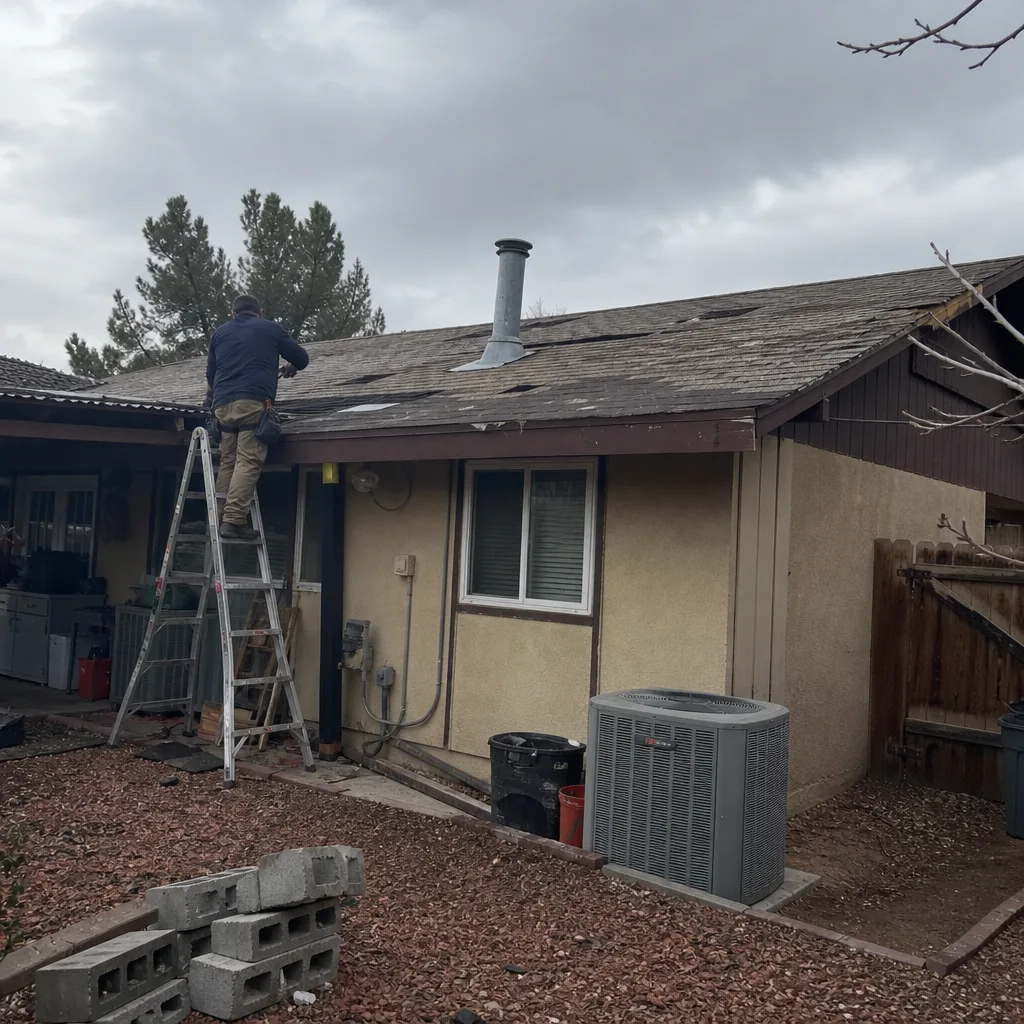 Before
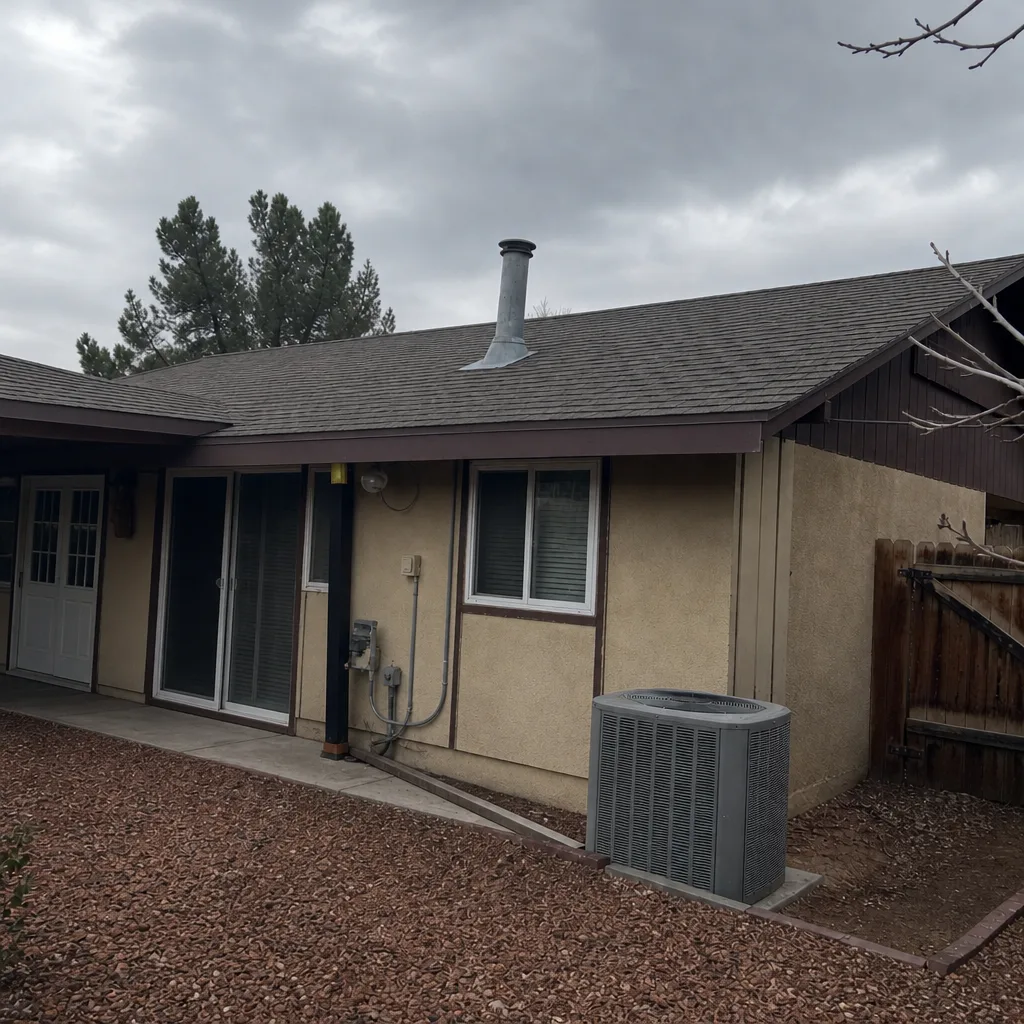 After
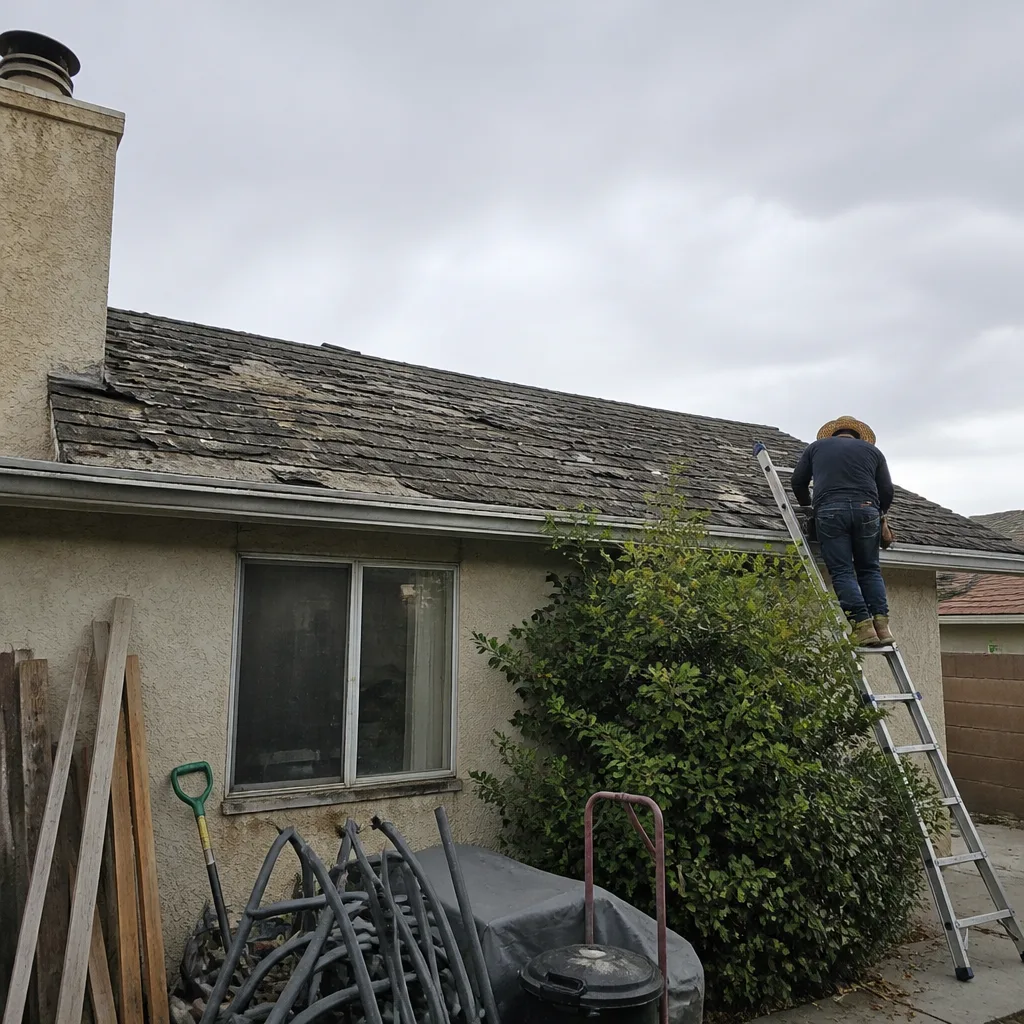 Before
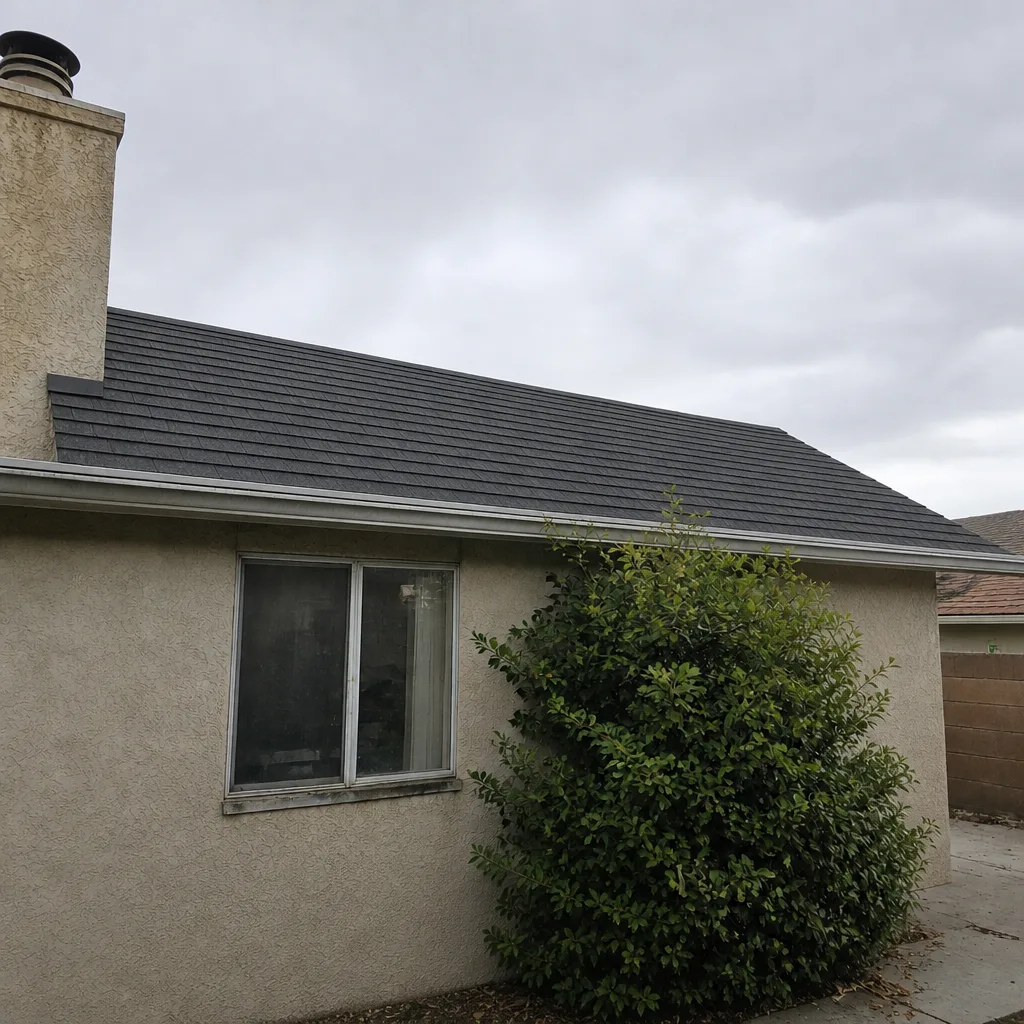 After
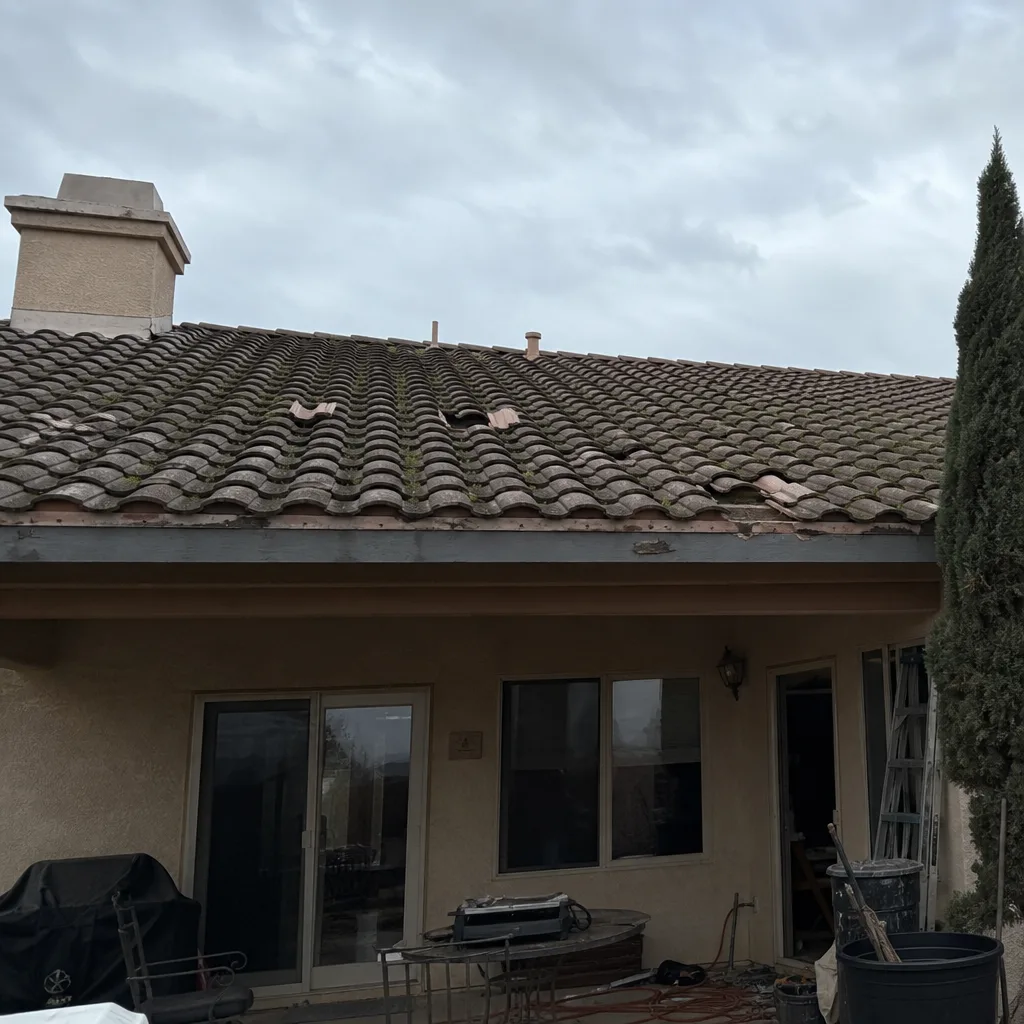 Before
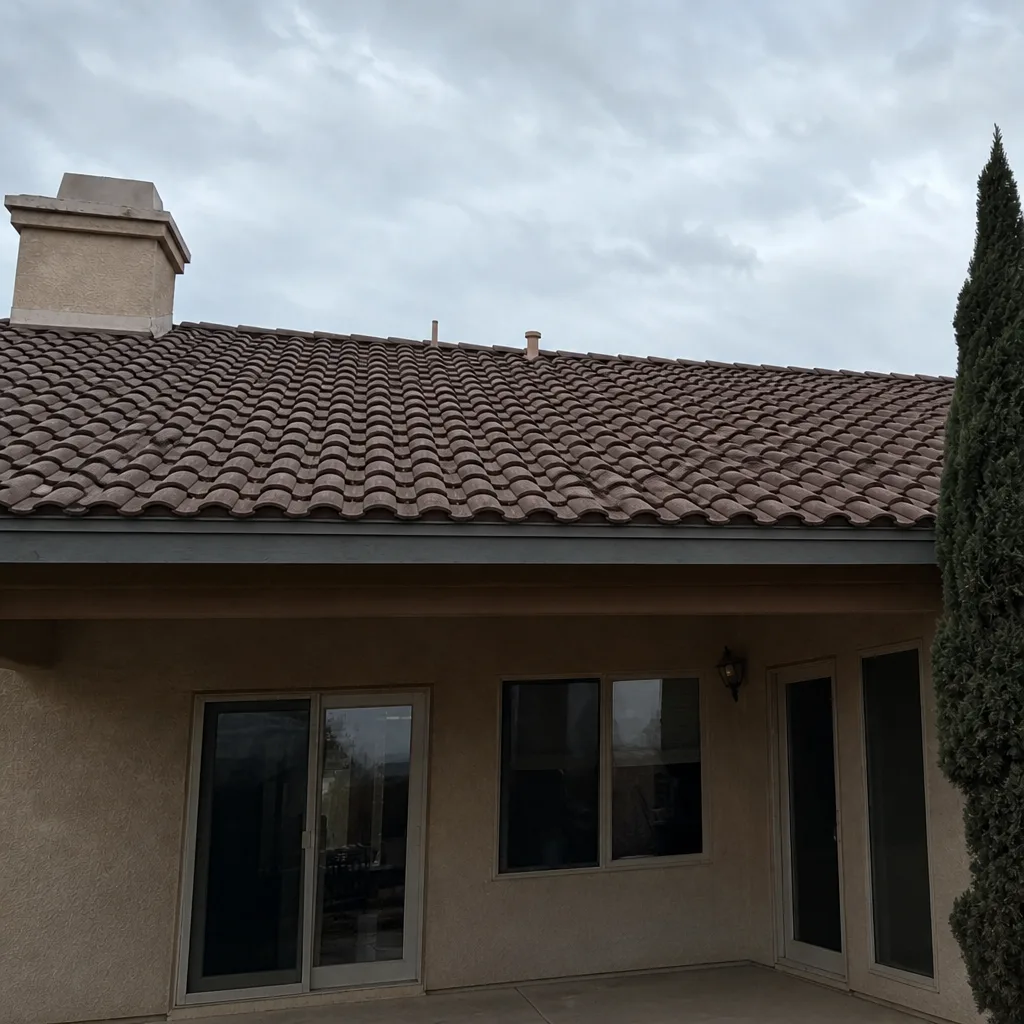 After
Common Mistakes to Avoid
- Choosing color before choosing the product tier. Color is a design decision made after the technical spec is settled. Picking the shingle color first locks you into a product before you’ve compared SRI, wind class, or warranty terms.
- Accepting “lifetime” at face value. Read the exclusions on installation method, ventilation, and climate zones. A lifetime warranty with a voided installation clause covers nothing that matters.
- Ignoring the installer’s certification. The same shingle installed by an uncertified crew may come with materially less warranty coverage. Ask for certification in writing before signing.
- Assuming one brand fits every roof. A product built for steep pitches may be the wrong choice on a low-slope ranch roof. Brand loyalty is not a substitute for a roof-specific recommendation.
- Letting an HOA restriction surprise you. Get the approved palette before the material conversation starts. Discovering on install day that your chosen color isn’t allowed is expensive and avoidable.
- Buying Class 4 without checking the insurance offset. The premium discount varies by carrier. Confirm what yours offers before paying for the upgrade.
- Skipping the inspection. Starting a material decision without documented findings means you may be replacing a roof that only needed a repair. Inspection first, spend second.
When to Call a Professional
Your roof is already telling you something. A stain on an attic rafter, granule loss visible in the gutter, a shingle edge lifting after a wind event, a ceiling spot that appears after rain – these are signs worth a professional look before you commit to any spending. Similarly, if your roof is aging and you’re unsure whether to repair or replace, an inspection gives you documented findings rather than a guess. Roofing work involves height, heavy materials, and structural decisions that are not a safe place to test your own skills; a trained roofer belongs on your roof, not you.
Roofing Spring Valley offers free estimates in Spring Valley. Call (877) 851-0738 to schedule an inspection and get a documented assessment of what your roof actually needs. Our technicians have up to 13 years of experience, and our inspection comes before any material conversation. We answer 24/7. Fast dispatch from 7am to 7pm, Sunday through Friday.
Frequently Asked Questions
There’s no single best brand – the right choice depends on your roof’s pitch, sun exposure, and budget. For west- and south-facing planes, look first at products with higher solar reflectance, since heat load is the dominant aging factor. Compare at least two or three brands at the same price tier before deciding. Call (877) 851-0738 for a free estimate and a brand comparison grounded in your roof’s actual profile.
It can, if the product carries a Class 4 impact rating and your carrier offers a discount for it. Ask your insurer directly what documentation they require and how much the reduction is – we can’t quote that figure because it varies by carrier and policy. We can tell you which of the seven brands we install offer Class 4 products so you can take the price difference to your insurer before you decide.
It will cover what the written terms say, provided the installation met the warranty conditions. Those conditions commonly include specific nailing patterns, underlayment specs, and attic ventilation ranges, and a heat-related claim in a hot climate can be scrutinized against them. Ask your installer to walk you through the exclusions in writing. Call (877) 851-0738 for help reading what a specific product’s warranty requires.
We install products from GAF, CertainTeed, Owens Corning, IKO, Atlas, Tamko, and Boral, and the certification question is worth asking for each one you’re considering. Enhanced warranty coverage often requires the installer to hold that manufacturer’s specific certification, which is why we ask which brand you’re leaning toward before recommending a product. A free estimate will spell out the certification status for your chosen brand.
Most cities require a permit for a full roof replacement, and often for a structural repair. The exact rule depends on the local building department, so confirm with them directly before work starts, or ask your contractor to pull the permit for you. A certified installer typically pulls permits and passes inspection as part of the job, and the inspection confirms the install met the conditions your warranty depends on.
A straightforward residential replacement usually takes a few days depending on roof size, pitch, and how much of the deck needs repair, while a spot repair is often completed in a single visit. The written estimate sets the timeline for your specific roof. Call (877) 851-0738 to schedule an inspection, and you’ll get a written estimate with the timeline included – estimates are free.
The Bottom Line
Brand selection for a Spring Valley roof should start with the same three questions: how much sun does the roof take, what’s the pitch, and what will the installation require from a warranty standpoint? Choose the product tier that answers those, then confirm the installer is certified to honor the manufacturer’s enhanced coverage. Color comes last. The seven brands we install cover value through premium tiers, so you don’t have to compromise the spec to stay in budget. Start with an inspection, read the warranty exclusions carefully, and ask for certification in writing. Call (877) 851-0738 for a free estimate. We answer 24/7. Fast dispatch from 7am to 7pm, Sunday through Friday.
Contact
Ready to find the right brand for your roof? Call (877) 851-0738 for a free estimate and a documented inspection. We’ll walk your roof, show you what we find, and lay out real product options across all seven brands – at value, mid-range, and premium price points. Roofing is the only trade we work in: repairs, replacements, and inspections, handled by specialists. Start with an inspection and know exactly what your roof needs before spending a dollar.
Written by the team at Roofing Spring Valley.