
Last updated November 15, 2026
 Metal roofing
 Architectural shingles
 Tile roofing
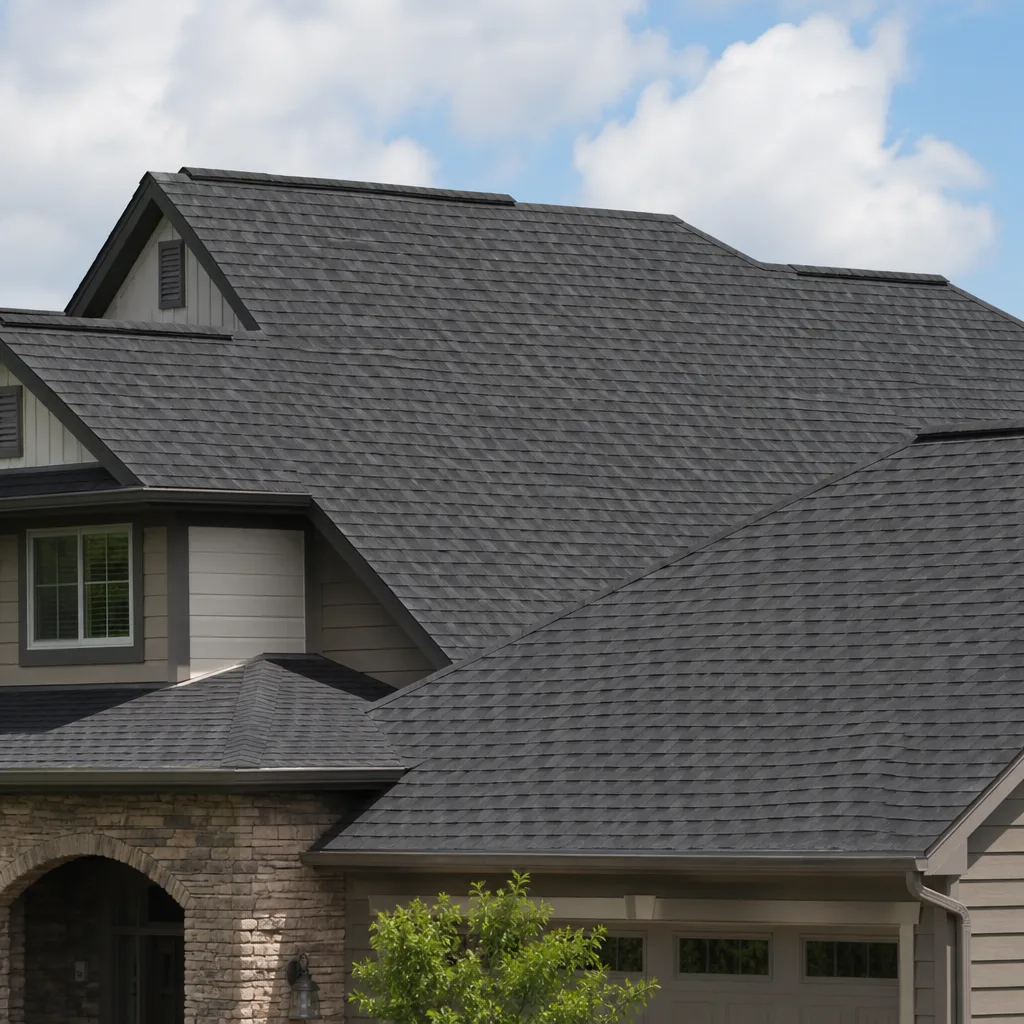 GAF
 Owens Corning
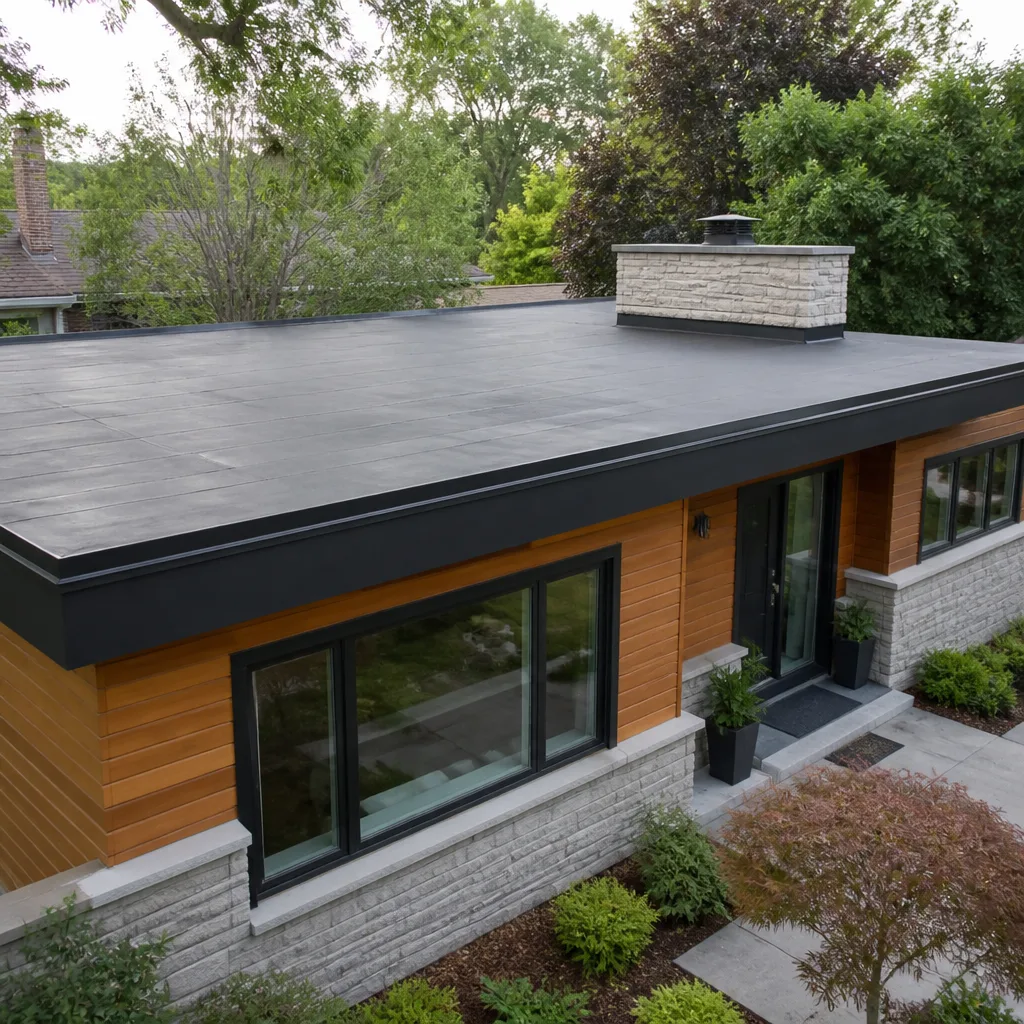 Flat & low-slope
Free roof inspection with deck photos before we talk money - GAF and Owens Corning certified installation
Roofing Warning Signs: A Spring Valley Homeowner’s Reference Guide
Most roof damage in Spring Valley doesn’t start with a missing shingle. It starts somewhere you’ll never see from the driveway: a cracked bead of sealant at the HVAC curb, a lifted edge along a parapet wall, or a fastener backing out of the deck under months of desert heat. By the time a brown ring shows up on your ceiling, the intrusion has usually been active for a while. This guide walks through the warning signs that actually matter in Spring Valley’s climate, which ones can wait, which ones need a contractor within 72 hours, and how to tell the difference before you spend a dollar. Roofing is the only trade we work in, and this is what we look for on every inspection.
Quick Answer
The most important roofing warning signs in Spring Valley are thermal cracking at penetrations (HVAC curbs, vent stacks, parapet seams), brittleness and granule loss on sun-exposed shingle edges, dried or split sealant at fasteners, daylight visible through ridge caps from inside the attic, and blistering or alligatoring on flat and low-slope membrane. Interior water stains, sagging decking, or daylight gaps first thing in the morning mean calling a professional now, not in a few weeks. Cosmetic issues like minor granule shedding or light surface discoloration can usually wait for a scheduled inspection.
Styles & brands we work with
- Architectural shingles
- Metal roofing
- Tile roofing
- GAF
- Owens Corning
- Flat & low-slope
Table of Contents
- Why Spring Valley Roofing Warning Signs Differ From National Checklists
- Reading UV Degradation on Asphalt Shingles
- Flashing Failure at Parapet Walls and HVAC Curbs
- Interior Attic Warning Signs Unique to Desert Climates
- Flat and Low-Slope Roof Warning Signs
- Cosmetic vs. Structural: The 72-Hour Rule
- A 10-Point Roof Inspection Checklist for Spring Valley Homeowners
- Common Mistakes to Avoid
- When to Call a Professional
- Frequently Asked Questions
Why Spring Valley Roofing Warning Signs Differ From National Checklists
National roofing guides are usually written for the Midwest or the Southeast, where the dominant failure mode is freeze-thaw cycling and wind-driven rain. Spring Valley doesn’t work that way. The valley gets intense sun exposure for the majority of the year, very little rain, and summer surface temperatures on dark shingles that climb high enough to soften asphalt and stress every sealed joint on the roof. Water intrusion here usually starts at a penetration that dried out before it ever saw a drop of water, not at a wind-torn shingle field.
That changes what you should be looking for. A homeowner who moves to Spring Valley from a wetter climate and reads a national warning-signs article will spend their time inspecting the shingle field and miss the actual weak points. In our experience across Spring Valley, the failures that show up first are:
- Sealant failure at HVAC curbs and vent boots. Sun cooks the sealant before rain ever tests it, so the seal is already compromised by the time water finds the gap.
- Lifted flashing along parapet walls. Parapets take heat from both sides and expand and contract more than the field of the roof.
- Brittle shingle tab edges. The shingles lose flexibility in the sun, and the tabs crack rather than flex when they move.
- Fastener back-out on the deck. The deck dries out and the nails or screws lose grip, which is a deck-integrity problem more than a shingle problem.
- Membrane blistering on flat sections. Low-slope roofs on additions, patios, and garages fail from trapped moisture and heat, not from rain volume.
This is where an inspection-first workflow earns its keep. A documented roof assessment tells you which of these failure modes your roof is actually showing, and which ones it isn’t, before any repair or replacement decision gets made.
Reading UV Degradation on Asphalt Shingles
Asphalt shingles don’t fail because rain wears them out. They fail because the sun breaks down the asphalt and the granules that protect the asphalt, and the failure is measurable if you know what you’re looking at. The signs below show you how advanced the breakdown has gotten on your roof.
Surface oxidation
Brand new architectural shingles have a matte finish with a full, uniform granule coat. As the asphalt oxidizes, the surface starts to look chalky, and the color goes slightly pale or washed out. Oxidation isn’t a leak; it’s a warning that the protective coating on the granules is thinning. Roofs on the hottest west-facing slopes in Spring Valley oxidize fastest.
Brittleness at tab edges
The strongest sign of UV degradation is how a shingle behaves when it moves. Shingles on a healthy roof flex slightly with heat and wind. Shingles that have gotten brittle will crack cleanly at the tab if you lift the edge gently, and you’ll see hairline fractures along the keyways. Don’t test this aggressively; if it cracks easily, it was already close to failing.
Granule pooling in gutters after no rain
After a rainstorm, some granule loss in gutters is normal, and it’s not a sign that anything is wrong. In Spring Valley, granule loss matters most when you find a buildup of granules in the gutters after weeks of dry weather, because that means the granules came off from heat and wind alone. Heavy granule pooling in a dry gutter on new-looking shingles is a real warning sign; a light dusting on an older roof is worth noting on your inspection record.
Curling and clawing
Curled edges and clawed tabs (the shingle lifts and folds) show up later in the degradation sequence, and the pattern matters. Uniform curling across a whole slope usually means the shingles are at the end of their life. Curling concentrated along one edge or one valley usually means a ventilation or flashing problem in that area, not an age problem across the roof.
The material tier drives how long this all takes. Value-tier shingles from brands like IKO or Tamko degrade faster on a hot south or west slope than mid-range options like CertainTeed or Owens Corning. We install products from seven of the industry’s leading brands, which means the recommendation follows your roof profile and budget instead of one supplier’s catalog.
Flashing Failure at Parapet Walls and HVAC Curbs
Flashing failures cause the vast majority of interior water damage we see in Spring Valley, and they’re almost impossible to spot from the ground. The flashing is where the roof meets something that isn’t roof: a parapet wall, a vent pipe, a skylight, an HVAC curb, a chimney. These are the joints that have to move with the building and keep a seal at the same time, and in a climate where surface temperatures swing hard between day and night, they get worked harder than the shingle field does.
Here’s the order of failure, from earliest sign to active leak:
- Sealant dries and pulls away. The bead of sealant at a curb or vent boot looks chalky, cracks, or separates from the metal or masonry. This is the earliest, cheapest stage to fix.
- Lifted or curling flashing edges. The base flashing starts to lift off the wall or curb. Wind and thermal movement are working it loose.
- Rust streaks or water staining below the penetration. The first physical sign that water is getting behind the flashing. Look for orange-brown streaks on stucco or masonry below the parapet cap.
- Wet or soft decking around the penetration. No interior stain yet, but the roof deck is holding moisture. This is a repair call today, not next month.
- Interior water intrusion. Brown rings on the ceiling, paint bubbling, running water at the vent pipe in the attic or on the ceiling. This is the most expensive stage.
HVAC curbs deserve their own callout because most warning-sign guides don’t mention them. Every house with a rooftop AC unit has a curb, and every curb has a seal that gets cooked through. The seal fails quietly, the curb sits a few feet from the intake side of the unit, and every AC cycle pulls a small amount of moist air through the gap. By the time the homeowner sees a ceiling stain, the deck around the curb has been cycling moisture for months. This is the single most common failure point in the desert Southwest, and it’s exactly why we start every inspection at the curbs and the parapet before we look at the shingle field.
Interior Attic Warning Signs Unique to Desert Climates
Your attic tells you more about your roof than the exterior does, and in Spring Valley the attic runs hot enough during the summer to damage the roof from the inside out. Go up with a flashlight and look for these signs before you pay anyone to look at the shingles.
Radiant heat damage to insulation batts
Batt insulation that has been baked by a hot deck will look discolored on the top surface, compressed, or visibly degraded compared to batts in the same attic that sit under shaded sections of roof. Heat-damaged insulation has lost some of its R-value, and the pattern of damage on the batts tells you which sections of roof run hottest. That’s a ventilation question, not an insulation question, and it belongs on the roofing report.
Dried-out sealant at roof-deck fasteners
Every nail or screw that passes through the deck has a small sealant collar or head. In a hot, dry attic, those seals dry out and split. You’ll see fine cracks radiating from the fastener heads and rust on the fastener shanks. Rust on a fastener in a dry attic means moisture is getting in from above.
Daylight gaps at ridge caps
Look up at the ridge when you’re in the attic with the lights off. Any daylight visible through the ridge line means the ridge cap shingles or ridge vent have separated from the deck. This is a real warning sign, not a cosmetic one: the same gap that lets light in lets wind-driven dust and water in during the monsoon season.
Soft or stained sheathing
Push gently on the underside of the roof deck with your thumb. Subfloor-grade sheathing has some give, but a spongy, soft, or visibly stained section means the plywood or OSB has taken on moisture and started to break down. Any soft spot is a call-a-contractor-now sign.
Rusted nails and corrosion on truss plates
Rust on the nail heads poking through the sheathing is a slow indicator of chronic condensation or a small seal gap near that point. Corrosion on the metal truss plates is rarer and more serious.
Flat and Low-Slope Roof Warning Signs
Flat and low-slope roofs on Spring Valley homes, patios, and garage additions fail differently from pitched shingle roofs. Instead of UV degradation on granules, you’re looking at membrane and surfacing failures, and the signs are usually easier to read once you’re up there.
- Alligatoring on built-up roofing. The surfacing on a BUR roof cracks in a pattern that looks like alligator skin. Small cracks can be re-coated; deep cracks that reach the felt layers mean the roof is past resurfacing and needs replacement planning.
- Blistering on modified bitumen. Look for raised bubbles or lumps in the membrane. Each blister is a pocket of trapped moisture or air, and when a blister breaks open it becomes an access point for water.
- Splitting and seam separation on single-ply membrane. TPO and similar membranes fail at the seams first. Any lifted or split seam should be documented and repaired before it widens.
- Ponding water. Standing water for more than roughly two days after a rain is a drain or slope problem. Ponding is the leading cause of membrane failure in flat roofs, because the membrane stays saturated and the trapped water stresses the seams.
- Clogged or slow drains and scuppers. A blocked drain turns a light rain into a ponding event. Check drains and scuppers before monsoon season, not after.
- Dried-out pitch pans and penetration collars. The same sealant aging problem exists on flat roofs, and it’s the first place to look when interior water intrusion starts on a flat-roofed space.
Flat roofs need their own inspection cadence, and the material matters. A modified bitumen cap sheet on a Spring Valley patio cover moves and ages differently than a coated BUR surface on a garage. That’s one more reason we stock material guidance across multiple brands, so the replacement material matches the existing roof and the exposure, not whichever product is on the shelf.
Cosmetic vs. Structural: The 72-Hour Rule
The most useful question in roofing isn’t “is there a sign?” It’s “how long do I have?” Here’s how we sort warning signs into three buckets.
Can wait for a scheduled inspection
- Light granule shedding in gutters on an older roof
- Faded or chalky shingle color without cracking
- Minor surface cracking on a coated flat roof
- Small areas of moss or algae growth
- Lifted or curled shingle tabs at the end of their life with no interior signs
Call within 72 hours if you see these
- Interior water stains on a ceiling, wall, or near a vent
- Visible soft spots on the roof deck from the attic
- Rust streaks below a parapet, vent, or HVAC curb
- Daylight visible through the ridge or at a penetration from inside the attic
- Any active dripping, even small, during rain
- Missing shingles over an area larger than a single tab
Call immediately
- Water coming through the ceiling or running down an interior wall
- Sagging or visibly depressed roof deck
- A section of roof that has partially separated from the structure
- Ponding water on a flat roof combined with an interior stain
We tell homeowners when a repair is the right answer and when it isn’t. That distinction matters most at the 72-hour line, where a $400 curb reseal becomes a $4,000 deck replacement if the homeowner waits until the ceiling stains show up.
A 10-Point Roof Inspection Checklist for Spring Valley Homeowners
You can walk most of this yourself from the ground with binoculars and from inside the attic with a flashlight. If you’re comfortable on your roof, you can add the close-up items, but the safest and most complete option is a documented professional inspection.
- Binocular check from the ground. Look at the roof from every side of the house. Note lifted, missing, or curled shingles, and check the ridge line for gaps.
- Check the parapets. Look for lifting flashing, gaps at the cap, or rust streaks running down stucco.
- Inspect the HVAC curb and vent boots. Note any chalky, cracked, or separated sealant around every rooftop penetration.
- Check gutters for granules in dry weather. Granules in the gutter after weeks without rain tell you the shingles are shedding from heat and wind.
- Look at your ceilings and walls. Note any water rings, bubbles, or paint discoloration, and photograph them.
- Go into the attic with a flashlight. Check insulation batts for heat damage, fastener heads for rust, sheathing for soft spots, and the ridge line for daylight.
- Check the flat roof drains. Clear any debris and check that the roof drains and doesn’t pond more than two days after rain.
- Look at the flashing at each wall transition. Note any lifted counter-flashing, missing step flashing, or cracked sealant at wall junctions.
- Photograph everything and note the date. A dated photo record is the best tool you have for tracking progression and for the insurance conversation if it ever comes to that.
- Schedule a documented inspection before acting on anything. Know exactly what your roof needs before spending a dollar. That report becomes the baseline for repairs, replacement, or another year of watching.
If any of the items above points to an active leak or a structural sign, don’t wait for a full inspection. Roofing Spring Valley handles roof repair and documented assessments; call (877) 851-0738 and we’ll get a technician out to look at the specific problem. We answer 24/7. Fast dispatch from 7am to 7pm, Sunday through Friday.
Common Mistakes to Avoid
- Judging the roof from the street only. The failure points in Spring Valley are on top of the roof at penetrations and parapets, and most of them can’t be seen from the driveway. Get on the roof or up into the attic before deciding the roof is fine.
- Treating granule loss as the only warning sign. Granule loss is real, but it’s the slowest failure mode in a desert climate. A single cracked HVAC curb seal can cause more damage than years of light shedding.
- Patching a leak without finding the source. A ceiling stain tells you where the water is coming out, not where it’s coming in. Follow the moisture trail back to a penetration or flashing before any repair.
- Writing off flat-roof ponding as normal. Ponding on a Spring Valley flat roof is a warning sign, not a quirk. Standing water for more than roughly two days after rain is a drain or slope failure.
- Skipping the attic. Almost every Spring Valley warning sign we care about most (fastener rust, soft decking, ridge gaps, heat-damaged insulation) shows up inside the attic first. Skip that step and you’re inspecting half a roof.
- Accepting a one-option estimate. If a contractor can only quote one material, you’re hearing the materials their supplier carries, not the ones that fit your roof. Material choices from multiple brands, including GAF and CertainTeed, exist for a reason: they change the price point and the performance horizon.
- Signing a replacement quote before the inspection report. A complete replacement is the most expensive roofing decision a homeowner makes. Get a written assessment of what’s failing before anyone prices a new roof.
When to Call a Professional
Call a roofer when you see any of the following: active water intrusion, daylight visible through a ridge or penetration from the attic, soft or sagging roof deck, persistent ponding on a flat roof, or flashing that’s clearly lifted and separated. If you can’t tell whether the issue is cosmetic or structural, that uncertainty is itself a reason to get a roof assessment. A documented inspection costs less than almost any repair and tells you exactly where you stand. Roofing Spring Valley offers free estimates in Spring Valley. Call (877) 851-0738 to schedule one. We answer 24/7. Fast dispatch from 7am to 7pm, Sunday through Friday. Our technicians have up to 13 years of experience, and every inspection is documented so you can make the call on your own timeline, not on a pressure pitch.
Frequently Asked Questions
In Spring Valley, the first sign is usually a dried-out, cracked, or separated seal at an HVAC curb, vent boot, or parapet flashing, well before you see any shingle damage or interior leak. If the seal is compromised and the deck around the penetration has started to soften, you’re past the cosmetic stage and into a repair call. A documented inspection catches this while it’s still a small repair. Call (877) 851-0738 for a free estimate on any repair or inspection.
Normal aging means faded color and some granule loss over years; UV damage means brittleness that cracks tabs when the shingle flexes, plus heavy granule pooling in the gutter after dry weather. Look for chalky, washed-out surfaces combined with cracked keyways along the tab edges. If the shingles crumble rather than flex when you lift one edge gently, the UV breakdown is advanced. Our technicians have up to 13 years of experience reading that difference on Spring Valley roofs, and an inspection gives you a straight answer.
No. A light dusting of granules in the gutters is normal and can persist for the first year or two of a shingle roof’s life. It becomes a warning sign when the granules are piling up in dry weather with no rain to wash them down, which points to heat and wind breaking down the asphalt. Compare the amount and the pattern across slopes: heavy loss on west and south slopes and light on the north slope tells you heat is the driver. Call (877) 851-0738 for a free assessment.
Because the curb seal takes the worst combination of exposure on the whole roof: direct sun on the metal, thermal movement from the unit cycling on and off, and hot dry air that cooks the sealant through. There’s also no roof overhang protection on most Spring Valley homes, so the curb sits fully exposed. Check the curb seal visually each spring, and follow the deck around it for soft spots. If the seal is cracked or separated, that’s a repair call: (877) 851-0738.
A small blister or light alligatoring on a coated roof can often be watched for a season, with re-coating scheduled before monsoon season. A blister that has opened, an alligatoring pattern that reaches the felt layer, or any ponding that lasts more than roughly two days after rain should be handled now, not later. Small flat-roof problems stay small only if the membrane holds. Call (877) 851-0738 for a flat-roof inspection and estimate.
Yes, and this is the most common pattern in Spring Valley. Thermal cracking at a penetration, dried sealant at a fastener, or a lifted parapet flashing will leak for months without showing any visible shingle damage from the street. By the time you see the interior stain, the deck around the penetration has been wet for weeks. A documented inspection is the only reliable way to catch it early. Reach us at (877) 851-0738; estimates and inspections are free.
The Bottom Line
The warning signs that matter most in Spring Valley aren’t the ones a national checklist will tell you to look for. Flashing failures at HVAC curbs and parapet walls, brittleness and granule loss from sun exposure, dried sealant and soft decking visible in the attic, and flat-roof blistering or ponding are the failures we see first. Learn to sort them into three buckets: cosmetic (schedule an inspection), structural (call within 72 hours), and active intrusion (call now). The single best move you can make is a documented inspection before you spend a dollar on repairs or replacement. Roofing is the only trade we work in, and roof replacement, repair, and inspection each deserve that same straight assessment. Call (877) 851-0738 to schedule your free estimate. We answer 24/7. Fast dispatch from 7am to 7pm, Sunday through Friday. Take a look at the full range of services at Roofing Spring Valley when you’re ready.
Written by the team at Roofing Spring Valley.
See the difference
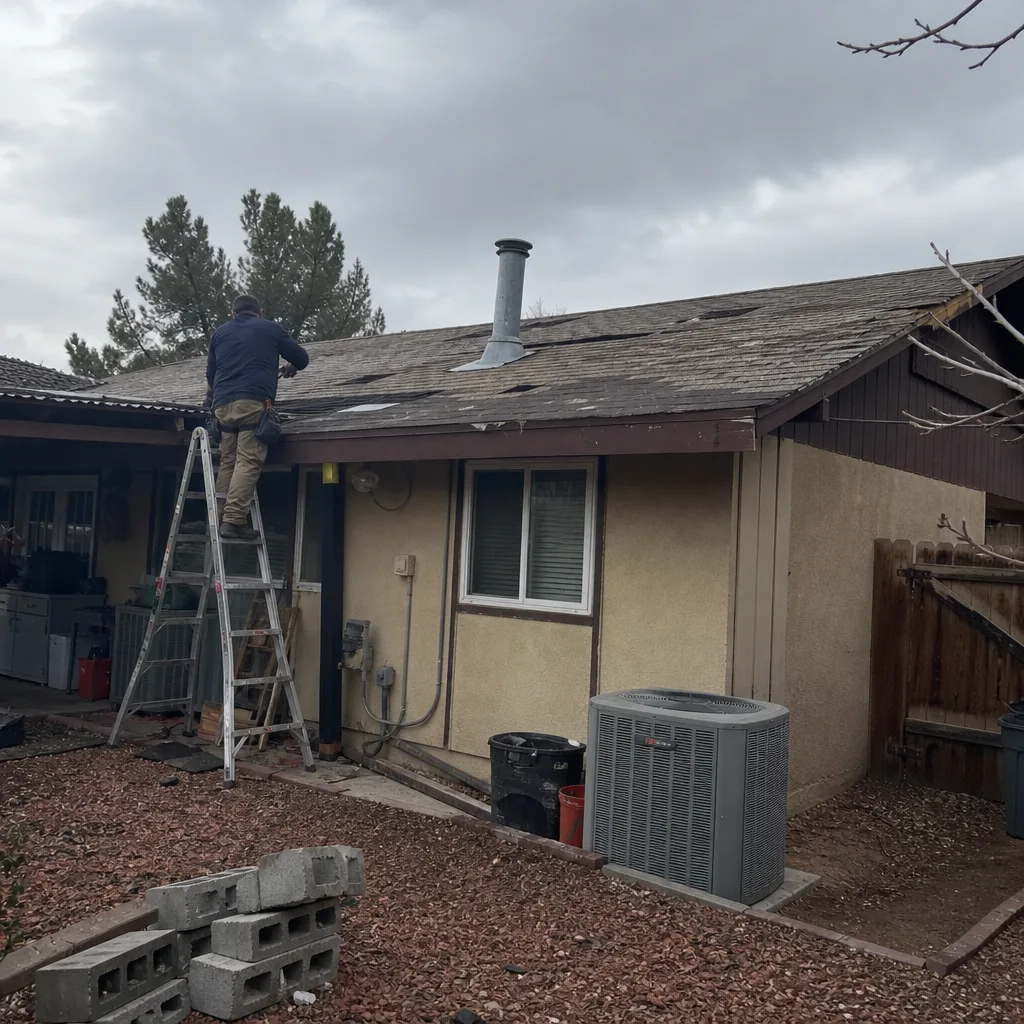 Before
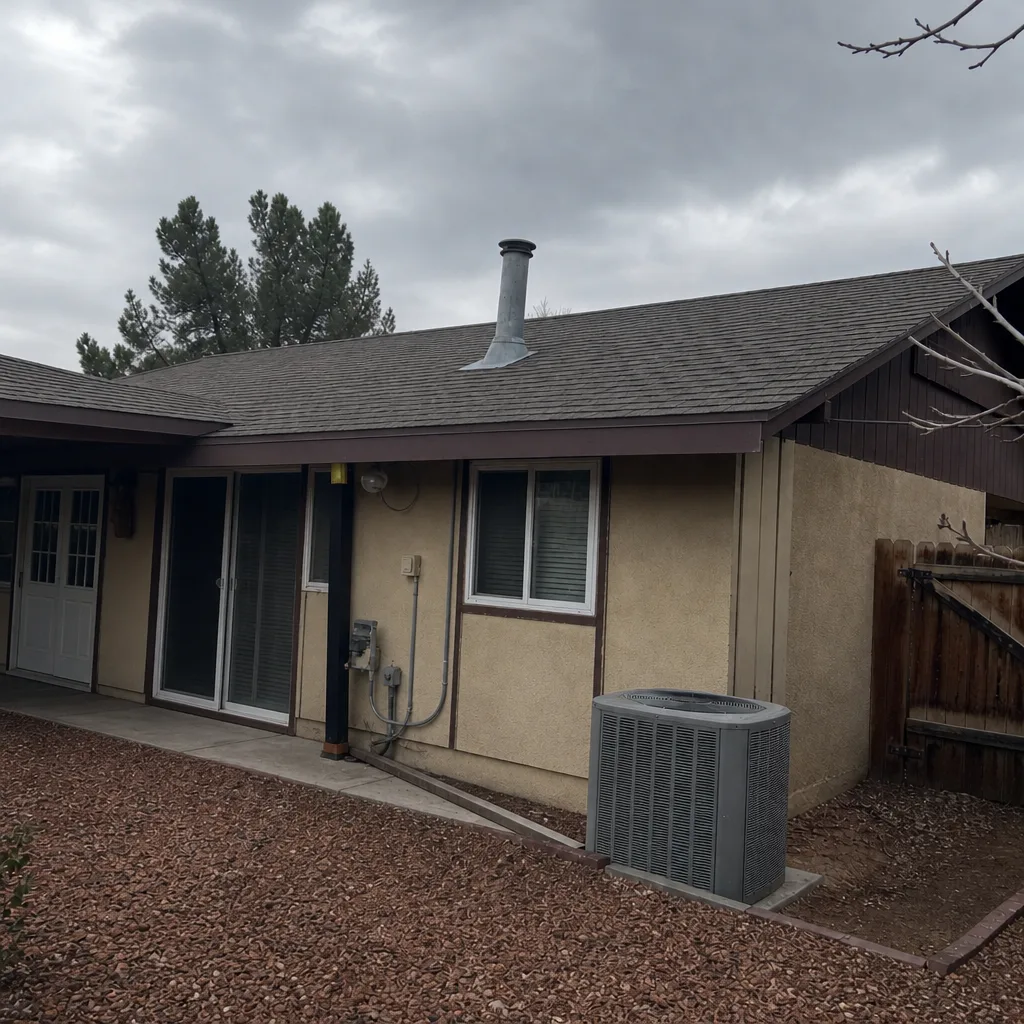 After
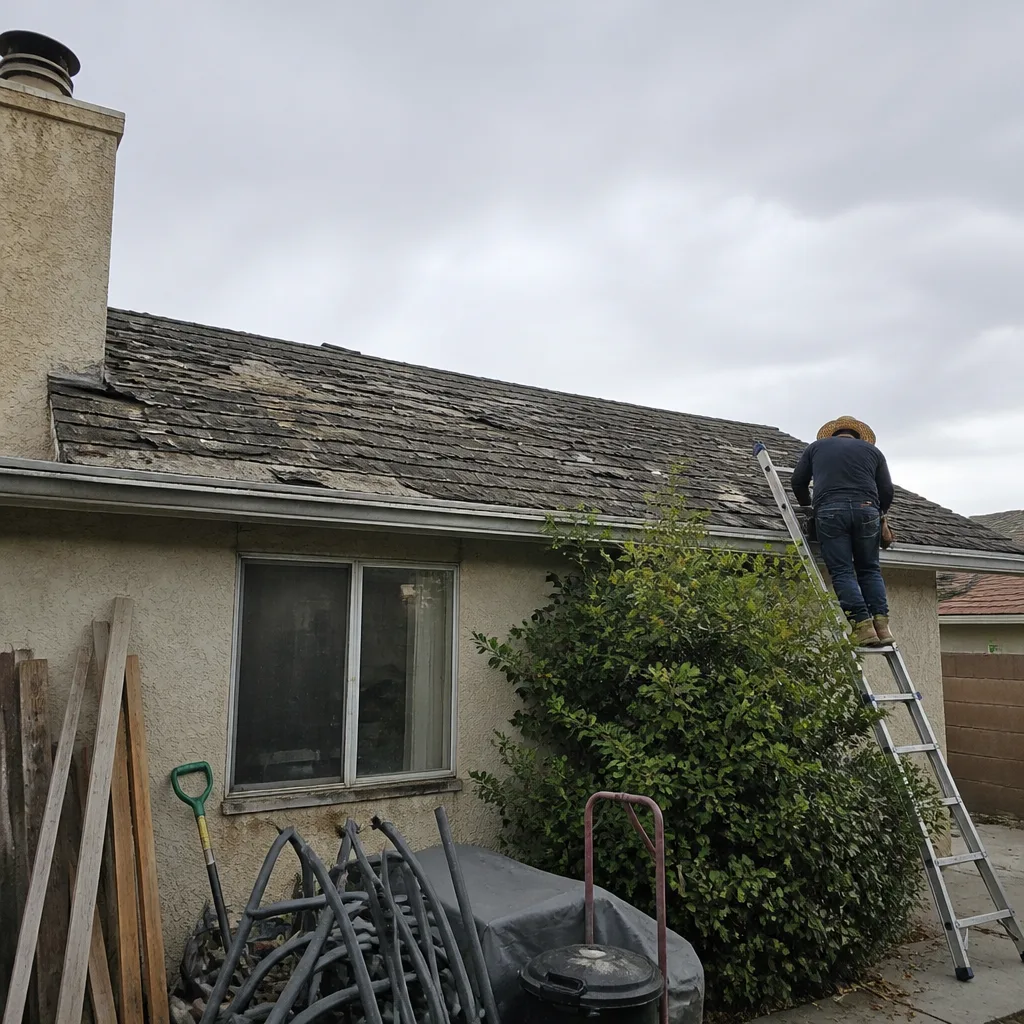 Before
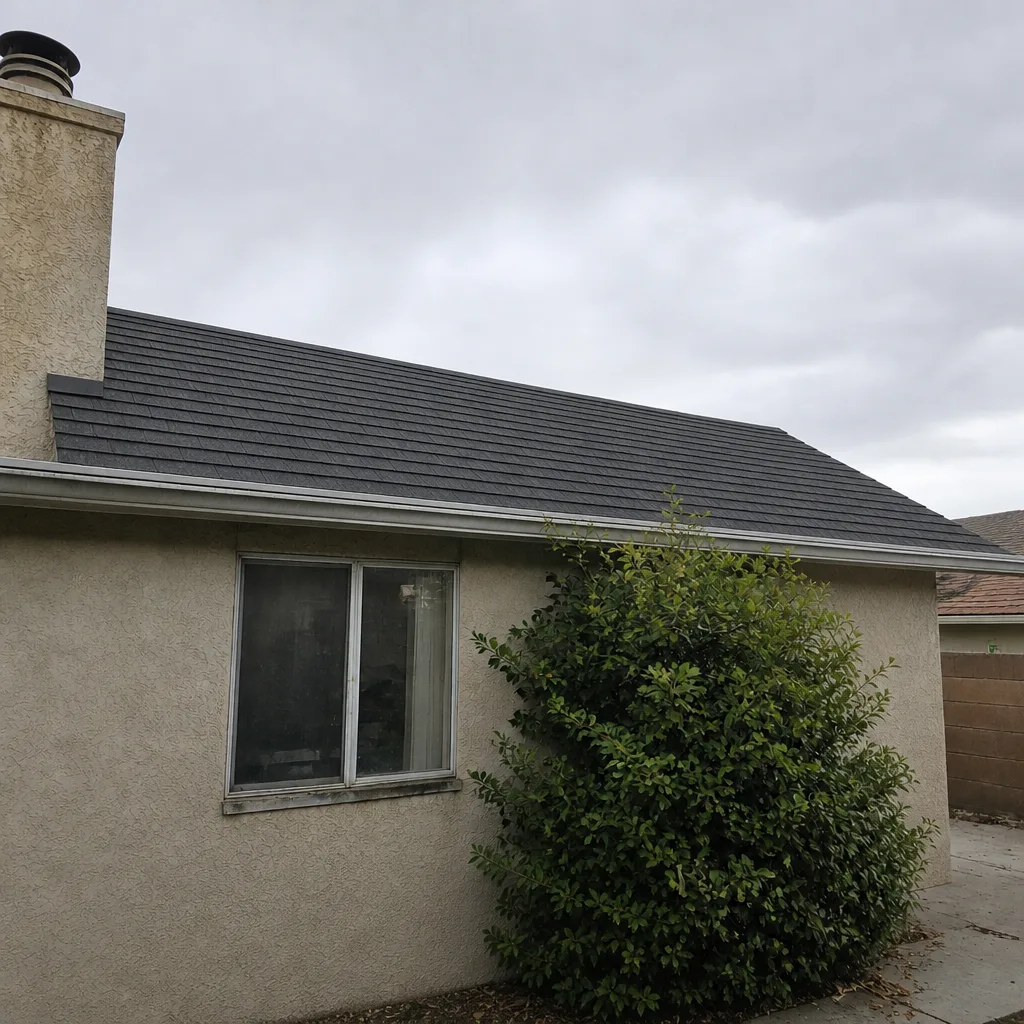 After
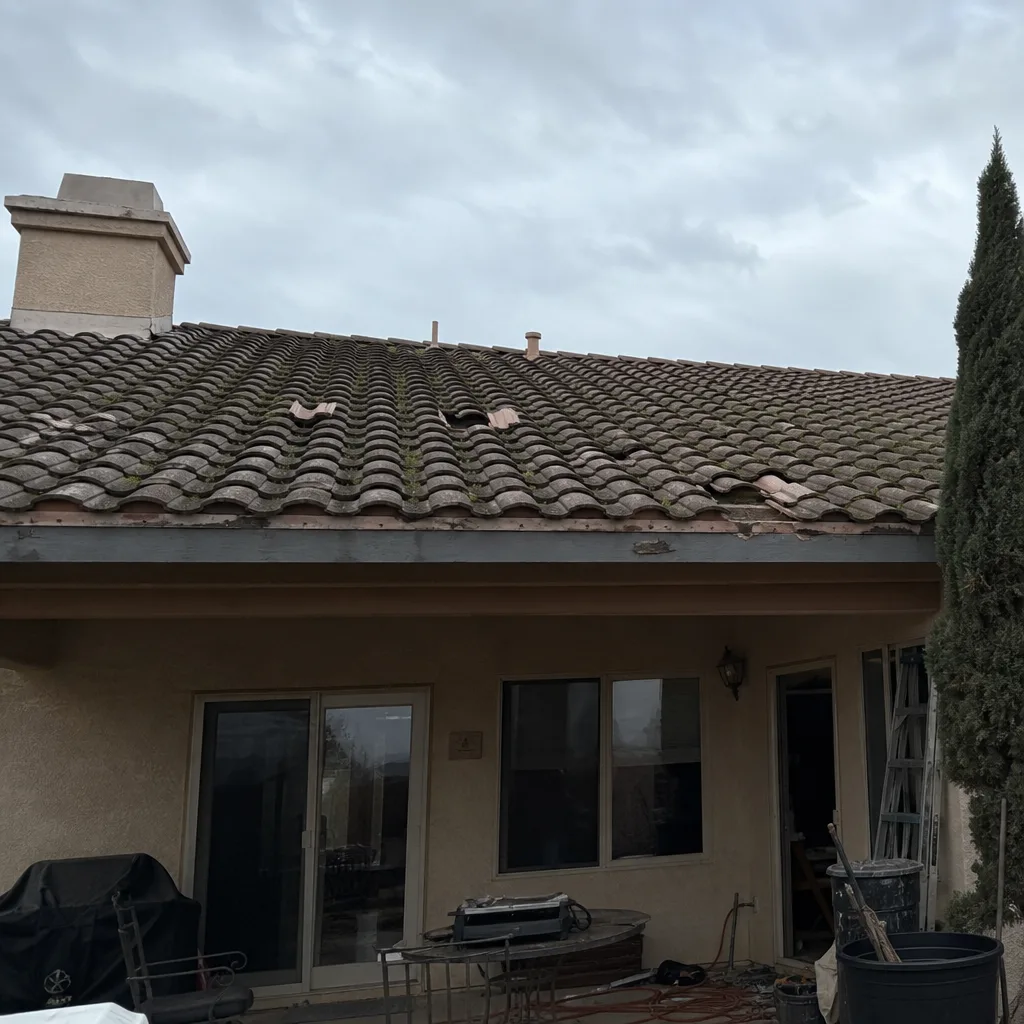 Before
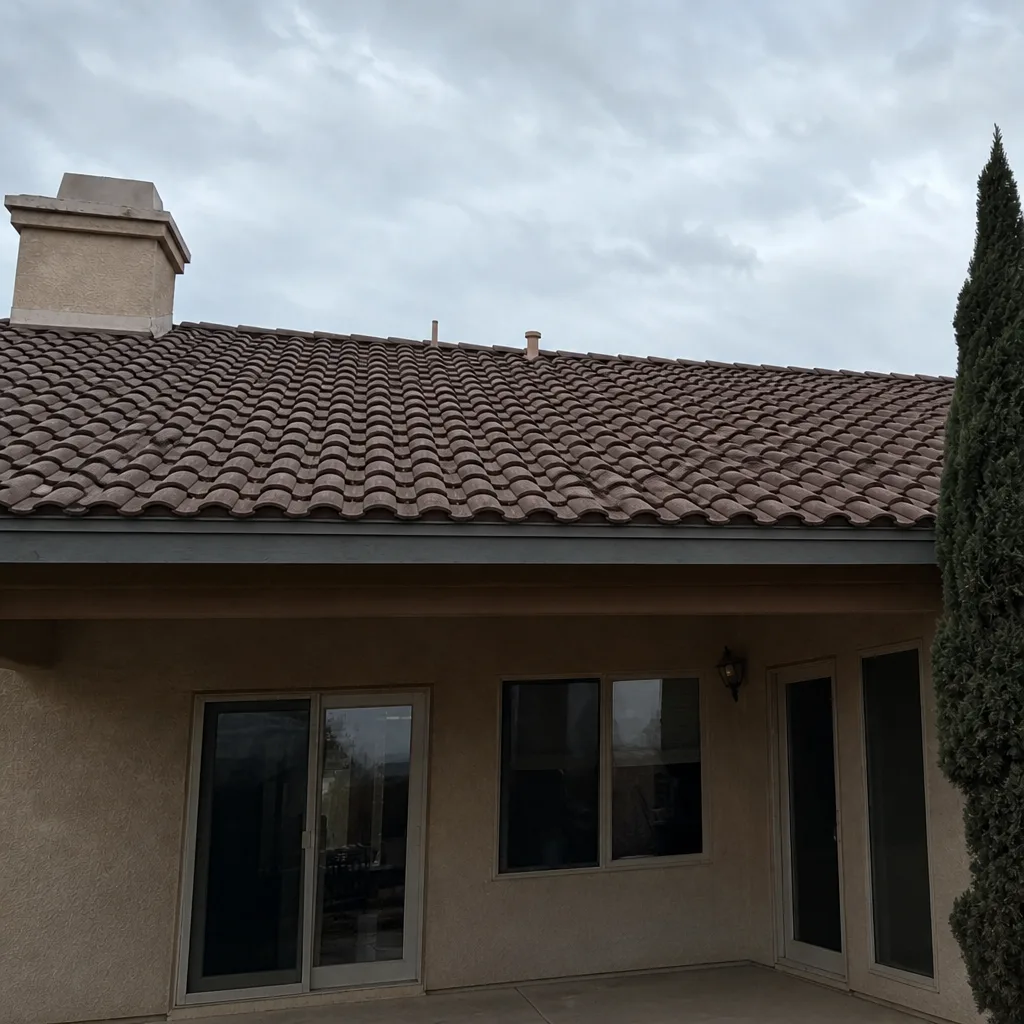 After