
Last updated November 15, 2026
 Metal roofing
 Architectural shingles
 Tile roofing
 GAF
 Owens Corning
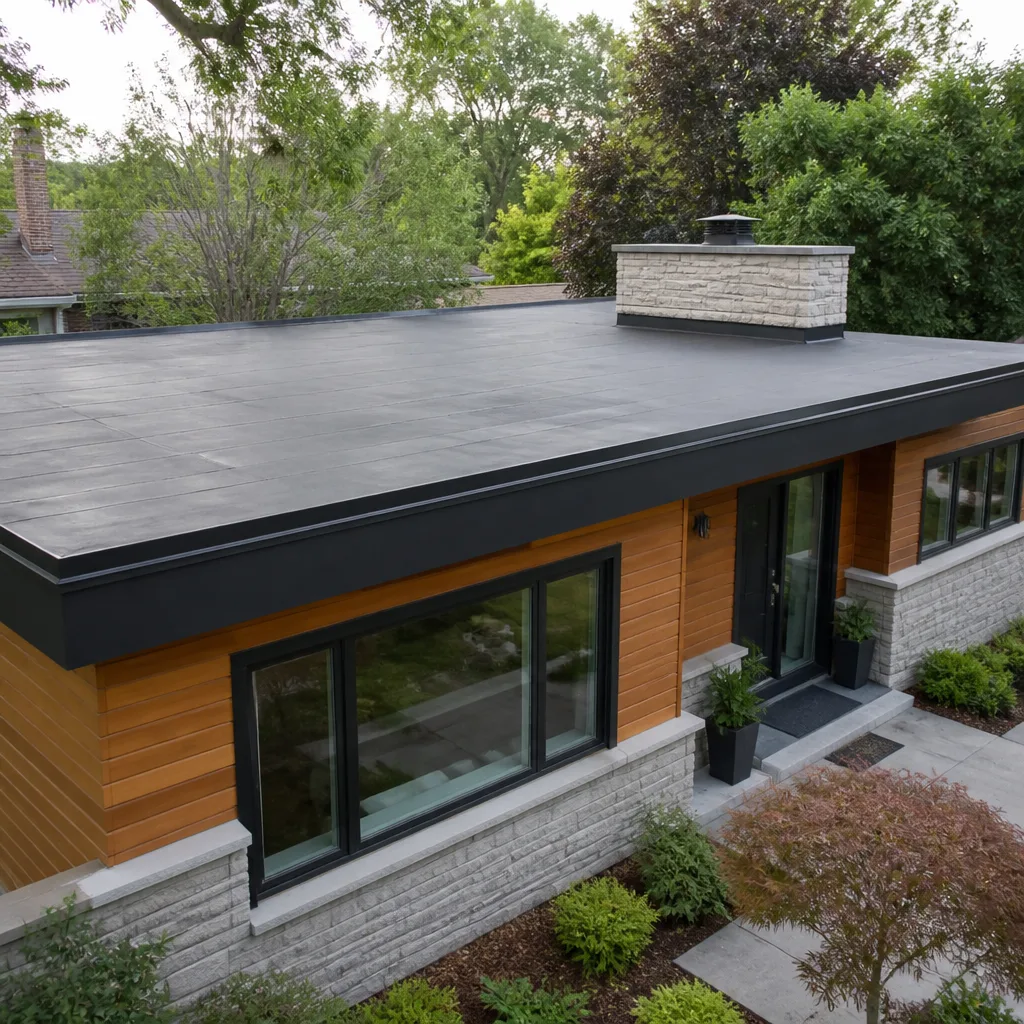 Flat & low-slope
Free roof inspection with deck photos before we talk money - GAF and Owens Corning certified installation
Seasonal Roofing Care for Spring Valley: Year-Round Homeowner’s Guide
Most roof maintenance advice assumes four seasons: a wet spring, a hot summer, a leaf-filled fall, a freezing winter. Spring Valley doesn’t work that way. Our climate runs on three cycles instead, and they don’t line up with the calendar most guides use. There’s a long, brutal UV season that bakes shingles for months on end, a short violent monsoon window that packs a year’s worth of roofing damage into a few weeks, and a mild stretch that’s genuinely the only sensible time to schedule major work. Treat your roof like it lives in a four-season climate and you’ll spend money at the wrong times. Treat it like a Spring Valley roof and you’ll get more years out of it. This guide walks through all three cycles and what to do in each.
Quick Answer
Spring Valley roofing care runs on three seasons, not four: a UV and heat season where ventilation and shingle condition matter most, a July-to-September monsoon window where wind-driven rain finds any weak flashing or sealant, and an October-to-April mild period that’s the practical time for repairs and full replacements. The single most useful habit is a pre-monsoon inspection in May or June, before the first storm cell arrives.
Styles & brands we work with
- Architectural shingles
- Metal roofing
- Tile roofing
- GAF
- Owens Corning
- Flat & low-slope
Table of Contents
- Why Spring Valley Roofs Don’t Have Four Seasons
- Pre-Monsoon Prep: The May to June Checklist
- During the Monsoon: What to Check in the First 24 Hours
- Post-Monsoon Assessment: Documenting Damage in October
- The October to April Window: When Major Work Actually Belongs
- Summer Heat Management: Ventilation and Shingle Temperature
- Choosing Materials for a Spring Valley Roof
- Common Mistakes to Avoid
Why Spring Valley Roofs Don’t Have Four Seasons
A roof in most of the country is punished by freeze-thaw cycles. Water gets into a hairline crack, freezes, expands, and pries the material apart. Spring Valley’s problem is different. We get very little of that. What we get instead is relentless sun, months of sustained heat that pushes attic temperatures well above outdoor air temperature, and then a short stretch of intense, wind-driven rain that arrives fast and leaves fast. That’s a completely different failure pattern, and it rewards a different maintenance rhythm.
Heat does most of the slow damage. Asphalt shingles lose their volatile oils to UV exposure, which is why shingles that face the sun all day age faster than shaded ones. Sealant strips along the shingle edges soften in high heat and re-bond as temperatures drop, and over many cycles they lose grip. Flashings around vents and chimneys expand and contract against the roof deck at a different rate than the shingles around them, and that movement slowly opens the sealant at the edges. None of this announces itself. It just accumulates quietly until a monsoon cell finds it.
The monsoon does the fast damage. These aren’t slow, soaking fronts that give a roof hours to shed water gently. They’re short, high-wind bursts that drive rain sideways and upward, straight into any gap a shingle or flashing has developed. A roof that sheds gentle rain without a drop can leak badly in a microburst. That mismatch is the whole reason a pre-monsoon inspection pays for itself: it’s the only time of year you can find and fix the vulnerabilities before they get tested.
The mild season does neither. From October through April, days are comfortable, sun angles are lower, and there’s very little storm activity. That’s the period when repairs hold, sealants cure properly, and a full installation can be completed without fighting weather. Understanding which of the three cycles you’re in is the foundation of everything below. It’s also why a Roofing Spring Valley inspection in the spring looks different from one in the fall: we’re checking for different things.
Pre-Monsoon Prep: The May to June Checklist
May and June are your last clear window before storm season. The goal here isn’t a full inspection, it’s a targeted pass on the specific points where wind-driven rain gets in. Here’s the checklist we walk through before the first cells form:
- Check every flashing. That means the flashing at the chimney, the vent pipes, the skylight curbs, and the roof-to-wall junctions. Look for flashing that has lifted, pulled away, or shows cracked sealant along its edges. Anywhere the flashing meets the roof surface is a candidate for wind-driven water entry.
- Clear the flat-roof drains. If any part of the roof is flat or low-slope, clear the scuppers and drains of debris. A blocked drain under a fast, heavy downpour backs water up the roof surface instead of shedding it, and standing water finds seams quickly.
- Re-seal around all penetrations. Every pipe boot, vent, and penetration should have intact sealant. Cracked or missing sealant here is the most common monsoon leak source we find.
- Look at the shingle field. Scan for lifted, curled, or missing shingles, especially along ridges and edges. A lifted shingle is a wind catch, and wind is exactly what a microburst delivers.
- Check gutters and downspouts. Water that can’t leave the roof edge pools at the fascia and finds its way behind it.
- Inspect the attic underside. Any existing stain or dampness on the deck from last season tells you where the previous storm already found a weakness. That spot needs fixing before this one.
None of this requires climbing onto the roof, which we’d steer you away from anyway. Most of it can be verified from the ground with binoculars or from inside the attic. If a flashing is visibly loose or sealant is clearly failing, that’s the moment to bring in a professional, not after the storm. Schedule a roof inspection in this window and you’ll go into monsoon season knowing exactly what your roof’s weak points are.
During the Monsoon: What to Check in the First 24 Hours
The 24 hours after a major storm is the most important window of the whole year for catching damage before it spreads. Water that gets in behind a shingle doesn’t just drip through the ceiling – it travels along the deck, saturates insulation, and starts feeding mold inside wall cavities within days. Catching it early is the difference between a small repair and a much larger one. Here’s what to look for inside your home right after a storm:
- Attic deck and rafters. Get into the attic with a flashlight and look for dark stains, damp spots, or drips on the underside of the roof deck. This is where a new leak shows up first, often before it reaches the ceiling below.
- Insulation. Damp or compressed insulation means water is getting past the deck. Fresh water stains on insulation are a clear signal.
- Ceiling and wall stains. Brown rings or blotches on the ceiling are the visible stage of a leak that started in the attic days or weeks before.
- Granule loss on the ground. A pile of shingle granules in your gutters or at downspout outlets after a storm is a sign the shingles took a hit.
- Lifted or missing shingles. From the ground, look for shingles that flipped up, tore, or went missing entirely after high wind. Missing shingles expose the underlayment.
- Visible daylight through the attic roof. Any visible pinpoint of light through the roof deck from inside the attic is a hole that rain has already found.
If you find any of these, take photos immediately – before anything gets repaired, before anything dries out. Those photos are the evidence that will matter if you file a claim later. And don’t wait for the next storm to confirm: a leak that appears once is a leak that will appear every time. Call us at (877) 851-0738 and we’ll get an assessment on it. We answer 24/7.
Post-Monsoon Assessment: Documenting Damage in October
October is the assessment month. By now the storms are behind you and you can see what the season actually did. This is also the time when insurance documentation has the most value, because the evidence is still fresh and the mild season is still open for repairs. If you’re going to file a claim, do the documentation now, not in the spring.
- Photograph everything. Take dated photos of any interior stains, the attic deck, the roof surface if it’s safely visible, and any damaged shingles or flashing. Wide shots and close-ups both. Date-stamp them if your camera doesn’t do it automatically.
- Get a written contractor assessment. An inspection report that documents the damage in writing, with photos and a description of what was found, carries far more weight with an insurer than your own photos alone. This is exactly what our inspection service produces – documented findings before any work begins.
- Keep a damage log. Note the date of each storm, where the damage appeared, and what you observed. A simple written record fills the gaps that photos can’t.
- Don’t repair first, document after. If you repair before the damage is documented, the claim can become much harder to support. Document first, then schedule the repair.
- Get the repair scheduled in the mild window. Once documentation is complete, get the work onto the calendar for October through April, when it belongs.
How you document matters as much as what you document. A contractor’s written report with dated photos and a description of what was found and when is much stronger than a homeowner’s snapshots. If a repair is the right answer, we’ll tell you so in writing – and if the damage points toward a larger problem, we’ll say that too. Call (877) 851-0738 to book a post-monsoon assessment. Fast dispatch from 7am to 7pm, Sunday through Friday.
The October to April Window: When Major Work Actually Belongs
Here’s the part of this guide that saves the most money. The October-to-April stretch is the practical window for major roofing work in Spring Valley. It’s not because the other months are impossible – it’s because this is when installation conditions are most favorable for the long haul. Cooler, more stable conditions help sealants cure properly and help adhesives and membranes bond as intended, and that matters for how well a roof performs over its whole service life.
Most roofing material manufacturers specify installation conditions in their installation guidelines. Those conditions are about temperature, moisture, and surface condition at the time of installation. A roof installed in the mild season has the best chance of meeting them and performing the way the material was designed to. When you’re making a substantial investment in a roof, you want the installation conditions right. That’s not a sales pitch – it’s the practical reason winter and early spring show up as the busiest months for roof replacement in Spring Valley.
Planning for that window means thinking ahead. If your inspection turns up a roof that needs replacement, don’t wait until May or June to call – the best installation windows in that October-to-April period fill up, and scheduling early avoids ending up in a rushed install before the next monsoon. The same goes for repairs: a repair done in October has the whole mild season to settle and be tested by gentle weather before the next storm season. A repair done in a rush in June has days, not months, before it’s tested. Our technicians have up to 13 years of experience reading these windows, and we’ll tell you honestly whether a repair can wait for the mild season or needs attention now.
Summer Heat Management: Ventilation and Shingle Temperature
Summer in Spring Valley is a test of the whole roof assembly, not just the top layer. The sun heats the shingle surface, the shingles heat the attic, and the attic heats the shingles right back. Without adequate ventilation, that heat builds up and accelerates the aging of every component in the system. Ridge vent and attic ventilation checks are the most valuable piece of summer roof care you can do, and they’re easy to overlook because they don’t involve the roof surface at all.
Ventilation works on a simple principle: air enters low at the soffits and exits high at the ridge, carrying heat out with it. When that path is blocked or undersized, hot air sits in the attic. The consequences are specific: shingles age faster because they’re being heated from both sides, the roof deck stays hotter longer into the evening, and moisture that gets in can’t dry out as readily. On a roof under sustained summer heat, that combination compounds. Here’s what to check:
- Soffit vents. These are the intake. If they’re blocked by insulation or debris, the whole system starves. Check from the attic that insulation isn’t pressed against the underside of the soffit.
- Ridge vent. The ridge vent is the exhaust. Look for it being blocked by debris, or for a ridge that has no vent at all. If the ridge vent is covered or missing, hot air has nowhere to go.
- Gable or alternative exhaust vents. If your roof uses gable vents or another exhaust type instead of ridge vent, confirm they’re open and unobstructed.
- Attic temperature feel. On a hot afternoon, an attic that feels significantly hotter than the outdoor air is an attic that’s under-ventilated. That’s a qualitative read, but it’s a useful first check.
- Damaged or missing vent components. Loose ridge vent material is also a monsoon vulnerability, so fixing it does double duty.
Ventilation checks happen inside the attic and on the roof, both of which involve some risk. On a hot day the roof surface can be hazardous to walk on, and attic heat is its own hazard. If you’re not comfortable or not certain what you’re looking at, let a trained professional handle it. A ventilation check is a standard part of a full roof inspection, and it’s one of the most cost-effective preventive measures available.
Choosing Materials for a Spring Valley Roof
Material choice for a Spring Valley roof isn’t really about brand loyalty. It’s about matching the material to the specific roof – its pitch, its sun exposure, its shade, and the budget in front of you. That’s why we work with products from seven leading brands – GAF, CertainTeed, Owens Corning, IKO, Atlas, Tamko, and Boral – so the recommendation can follow the roof rather than the other way around. A single-brand contractor has one answer to every question. We’d rather have seven.
What that looks like in practice: a roof with heavy sun exposure might be better served by a product line with stronger UV ratings in its class; a roof with complex hips and valleys might call for a different shingle style that installs cleanly around those details; a budget-conscious repair on a roof with years of life left might warrant a different tier than a full replacement on a home you plan to keep. CertainTeed and Owens Corning offer product lines across value, mid-range, and premium tiers, and the same is true of the other brands. That range is the point – you’re not locked into a single price point.
Here’s the planning sequence that works:
- Inspect first. Document what the roof actually needs before any material conversation. This grounds every choice in findings instead of assumptions.
- Define the scope. Repair or replacement. They point to very different material conversations.
- Compare brands at your tier. Within value, mid-range, or premium, compare the product lines across brands rather than settling for one brand’s only option.
- Plan the install for the mild window. October through April, as covered above.
- Schedule the follow-up. A post-install inspection catches small issues before they grow.
That sequence is why homeowners come to Spring Valley roofing conversations frustrated by one-option contractors and vague estimates. Seeing real product choices, with real tiers across real brands, is what replaces assumption with a decision. Roofing is the only trade we work in: repairs, replacements, and inspections handled by specialists. And we’ll tell you when a repair is the right answer and when it isn’t.
Common Mistakes to Avoid
- Treating the monsoon like a wet season and the rest like a dry one. Spring Valley’s damage is mostly done by heat and UV in the long season, not by the short storm season. Focusing only on storm prep misses the slow deterioration that creates the vulnerabilities in the first place.
- Waiting for a leak before doing anything. A leak is the visible stage of a problem that has been developing for months or years. By the time water is coming through the ceiling, the fix is bigger and more expensive than the inspection that would have caught it earlier.
- Skipping the pre-monsoon pass. The May-to-June checklist is the highest-value maintenance of the year for this climate. Miss it and you go into storm season with unknown weak points that a microburst will find for you.
- Climbing onto the roof and walking it yourself. The roof surface in Spring Valley heat can be dangerously hot, and an untrained walk can damage shingles that were fine before. Inspect from the ground or the attic, and leave the roof surface to a trained professional.
- Repairing before documenting. If there’s any chance of an insurance claim, photos and a written contractor assessment need to happen before the repair. Document first, repair second.
- Scheduling a major installation in the wrong window. A roof installed in the mild season has the best chance of meeting the material’s installation guidelines and performing over its full service life. Rushing a major install in May or June to beat the storms is working against the roof’s long-term performance.
- Ignoring the attic ventilation. Ridge vent and soffit vent problems are invisible from the ground but they directly affect shingle longevity. Check them in the summer, not the winter, when the heat is doing the most damage.
When to Call a Professional
Some roof care is yours: keeping an eye on the attic, noting stains, taking photos after a storm, checking the soffit vents from inside. Some of it needs a trained professional with the equipment and experience to do it safely and see what a homeowner would miss. Call a professional when you find damp spots or daylight in the attic, when a storm has visibly damaged shingles or flashings, when a leak has appeared inside the home, when the attic runs noticeably hot on summer afternoons, and whenever the roof is over a certain age and its service condition needs an honest, documented assessment before a decision.
Our inspection service produces documented findings before any work begins, so you know exactly what your roof needs before spending a dollar. Our technicians have up to 13 years of experience with every cycle in this climate – repair, inspection, and replacement handled by specialists in one place. Roofing Spring Valley offers free estimates in Spring Valley. Call (877) 851-0738 to schedule yours, or to book an inspection. We answer 24/7. Fast dispatch from 7am to 7pm, Sunday through Friday.
Frequently Asked Questions
October through April is the best window for major roofing work in Spring Valley. Installations in this period have the most stable conditions and the best chance of meeting the material’s installation guidelines for long-term performance. For smaller repairs, the same window is ideal, though urgent leaks should be addressed right away. Call (877) 851-0738 for an exact quote – estimates are free.
Twice a year covers it well in this climate: a pre-monsoon inspection in May or June to find weak points before storm season, and a post-monsoon assessment in October to document what the season found. If you’ve had a significant storm or noticed any interior signs of a leak, add an inspection at any time. Call (877) 851-0738 to schedule one.
Yes, because the storms are intense and wind-driven rather than slow and gentle. High-wind bursts push rain sideways and upward into flashings, sealants, and shingle edges that gentle rain would never reach. That’s why the pre-monsoon checklist matters so much – it’s the only chance you get to seal the vulnerabilities before the storm tests them. Call (877) 851-0738 for a pre-monsoon assessment.
Coverage depends on your specific policy and the nature of the damage – generally speaking, sudden storm damage is more commonly covered than damage from a long-unaddressed maintenance issue. That’s why documenting the damage with photos and a written contractor assessment before any repair is so important. Call (877) 851-0738 for documented findings you can share with your insurer.
No. The written estimate sets the final price, and we don’t do change orders on a job. You’ll know the full scope and cost before any work begins. Call (877) 851-0738 to schedule your free estimate.
A repair typically takes one day. A full replacement depends on the size and complexity of the roof and the material chosen, and you’ll have a clear timeline in the written estimate before the work begins. Call (877) 851-0738 to get your timeline in writing.
The Bottom Line
A Spring Valley roof doesn’t need a four-season routine – it needs a three-cycle one. Watch ventilation and shingle condition through the long heat season. Run the pre-monsoon checklist in May and June. Document anything you find in the 24 hours after a storm. Do your insurance documentation in October, before any repair. Schedule major work for the October-to-April mild window, when installation conditions are most favorable for long-term performance. And get an inspection before you spend anything, so every decision is grounded in documented findings. With the right brands – CertainTeed, Owens Corning, IKO, Atlas, GAF, Tamko, and Boral – and a roofing-only focus, that’s the whole game. Call (877) 851-0738. We answer 24/7. Fast dispatch from 7am to 7pm, Sunday through Friday.
Written by the team at Roofing Spring Valley.
See the difference
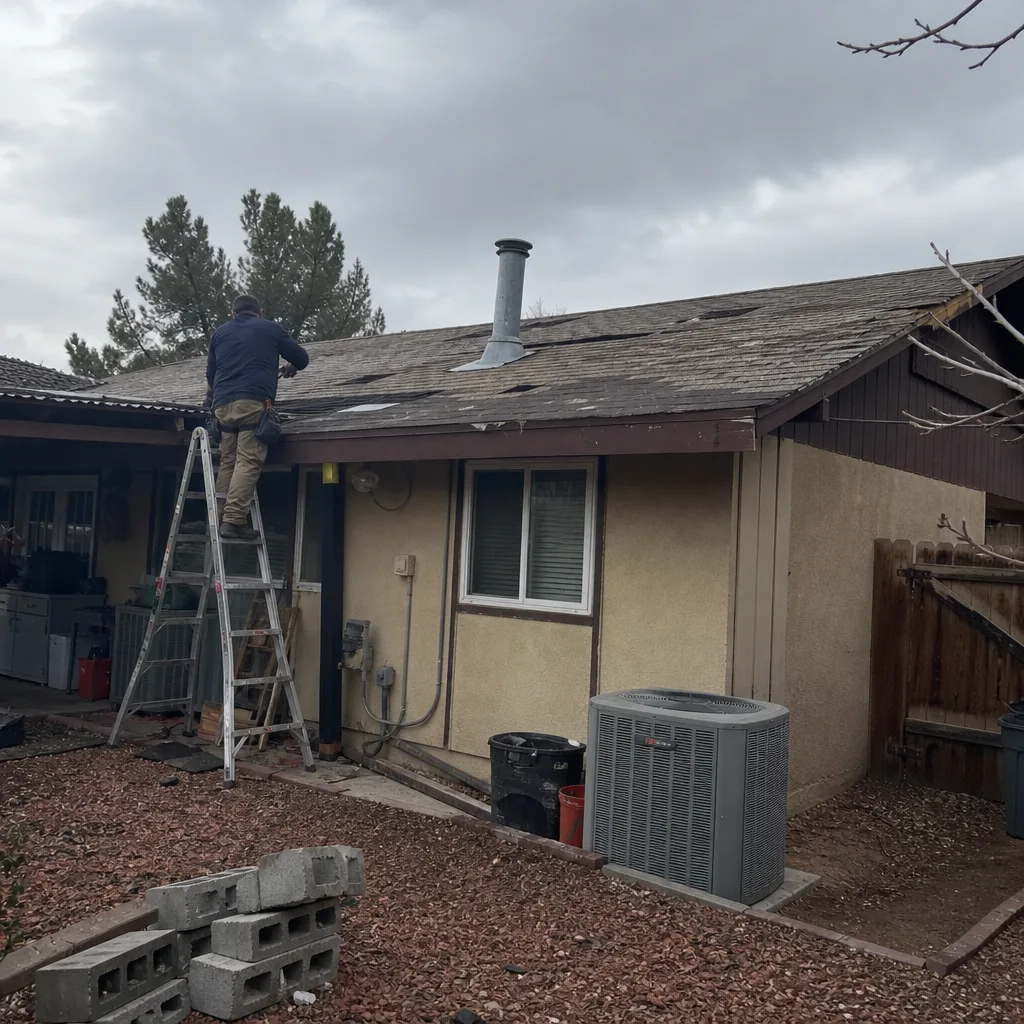 Before
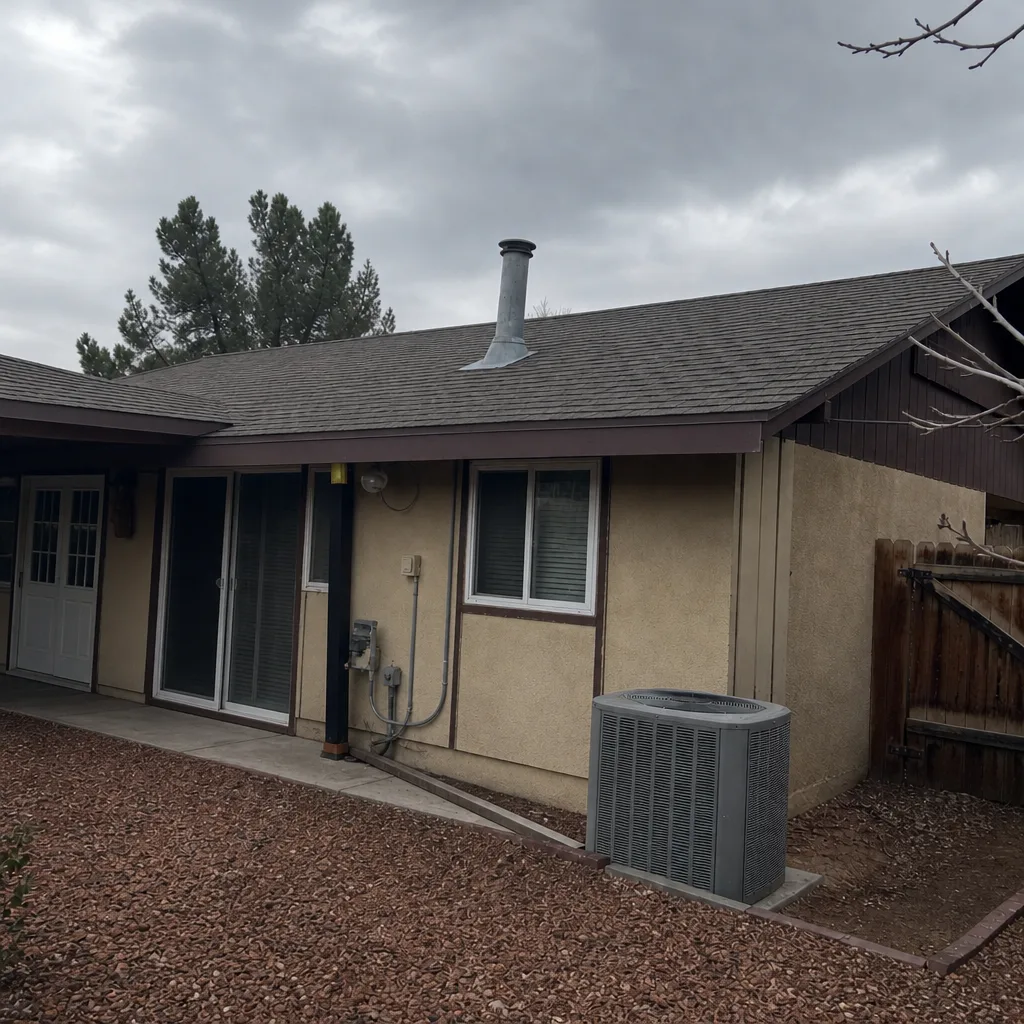 After
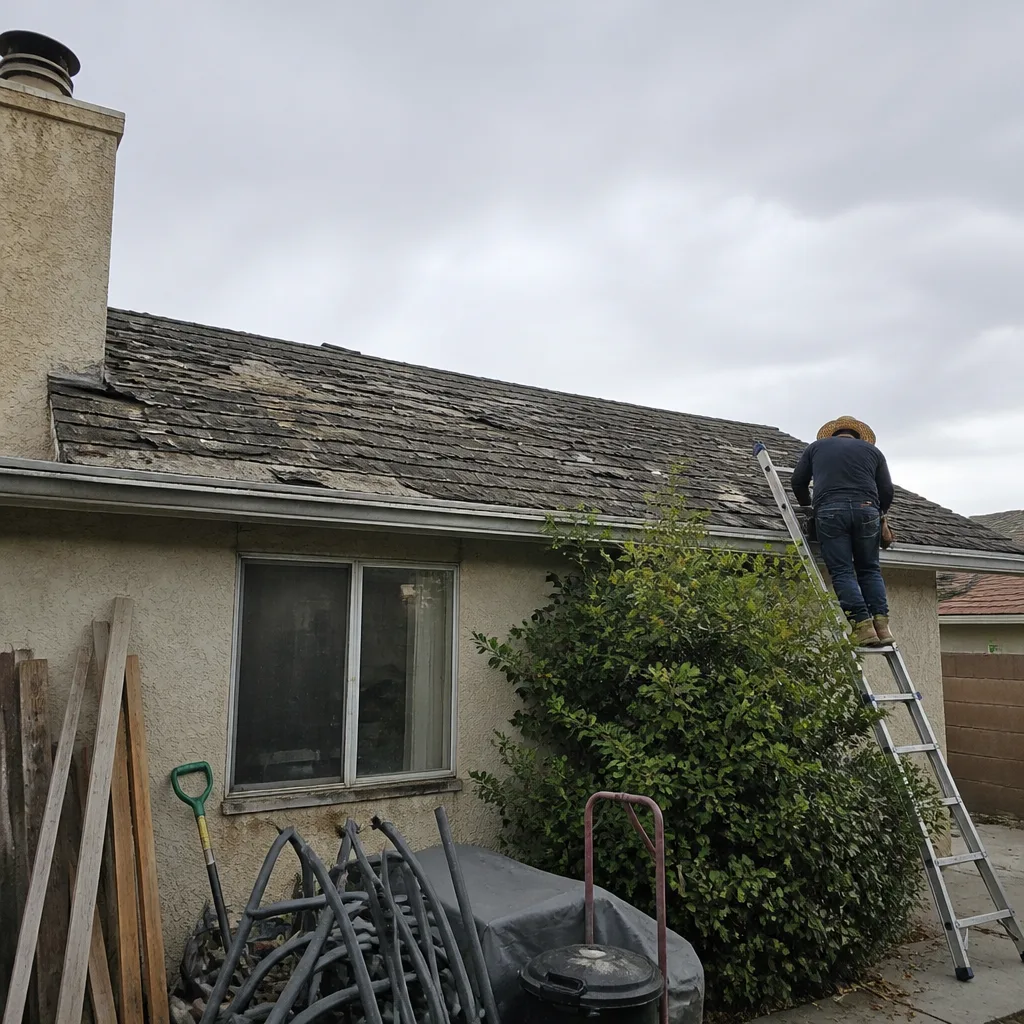 Before
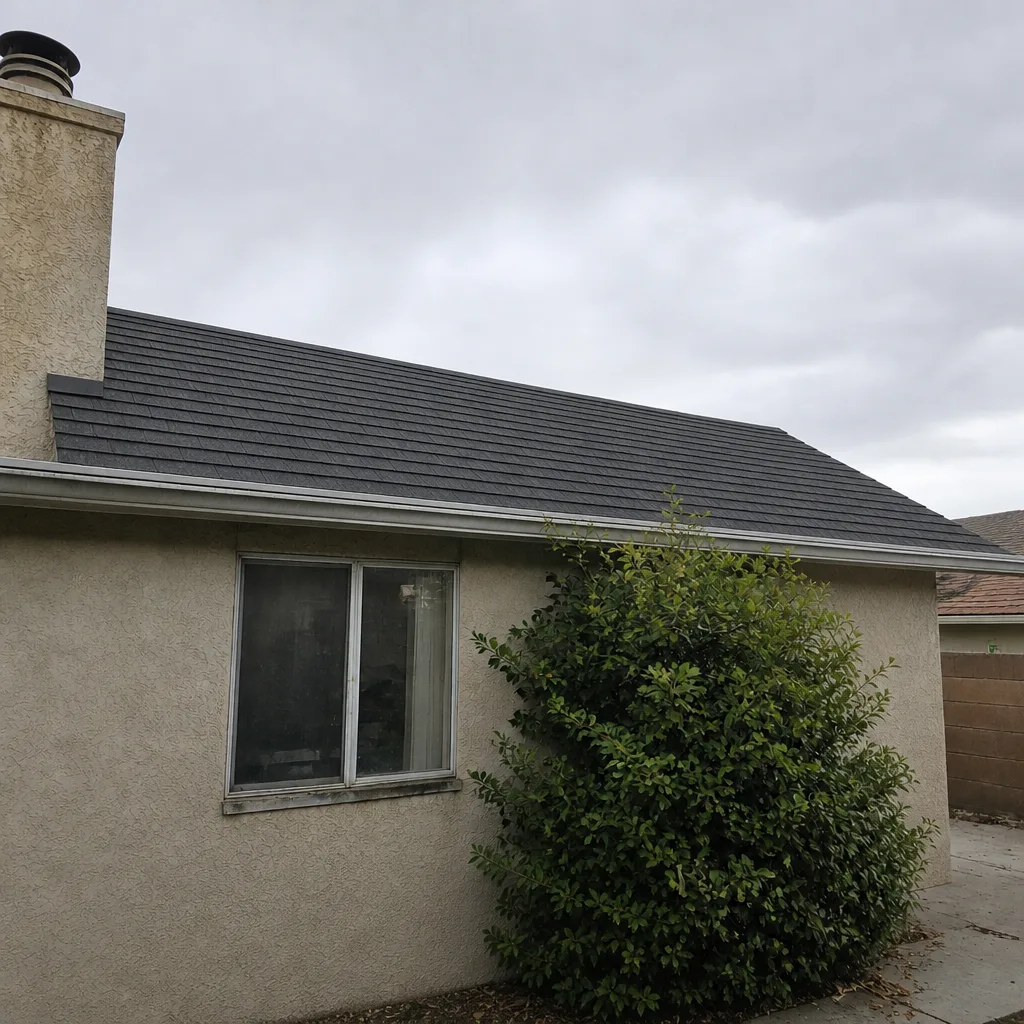 After
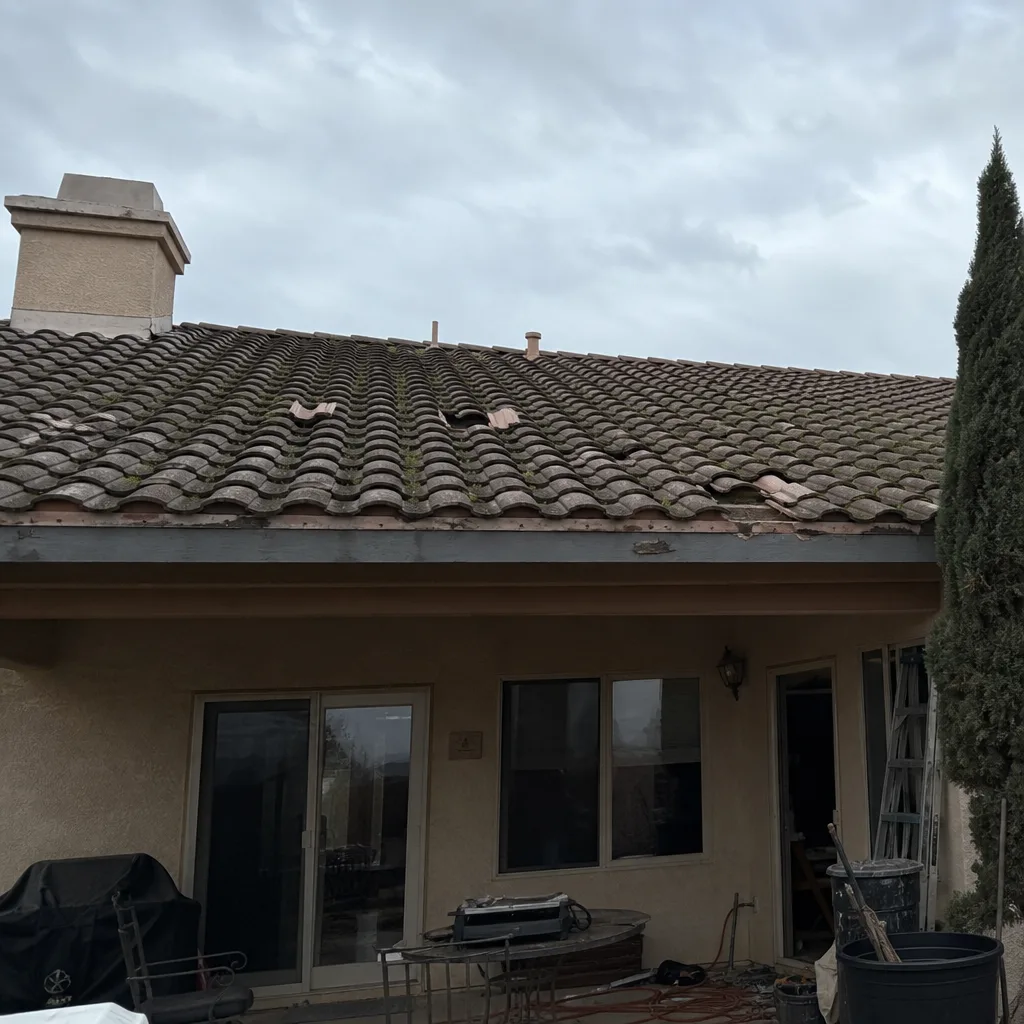 Before
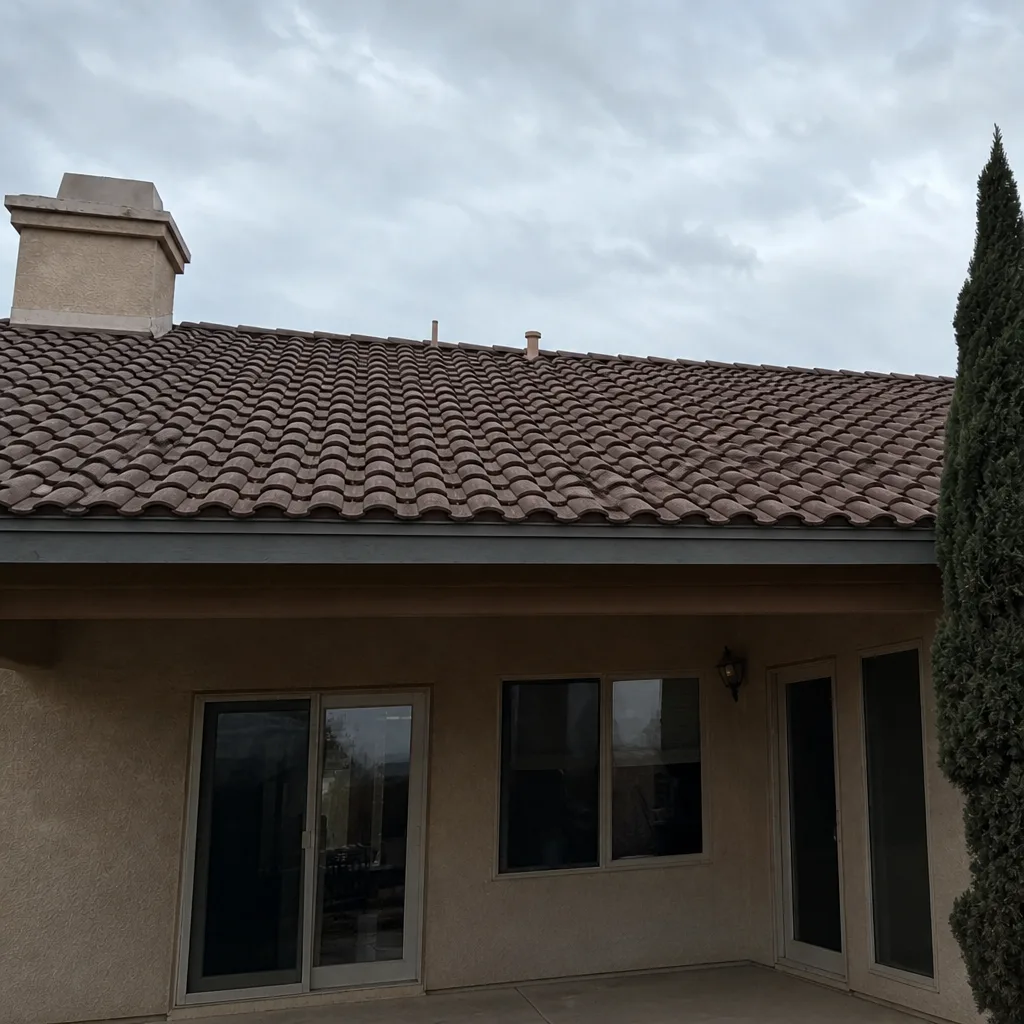 After