
Last updated November 15, 2026
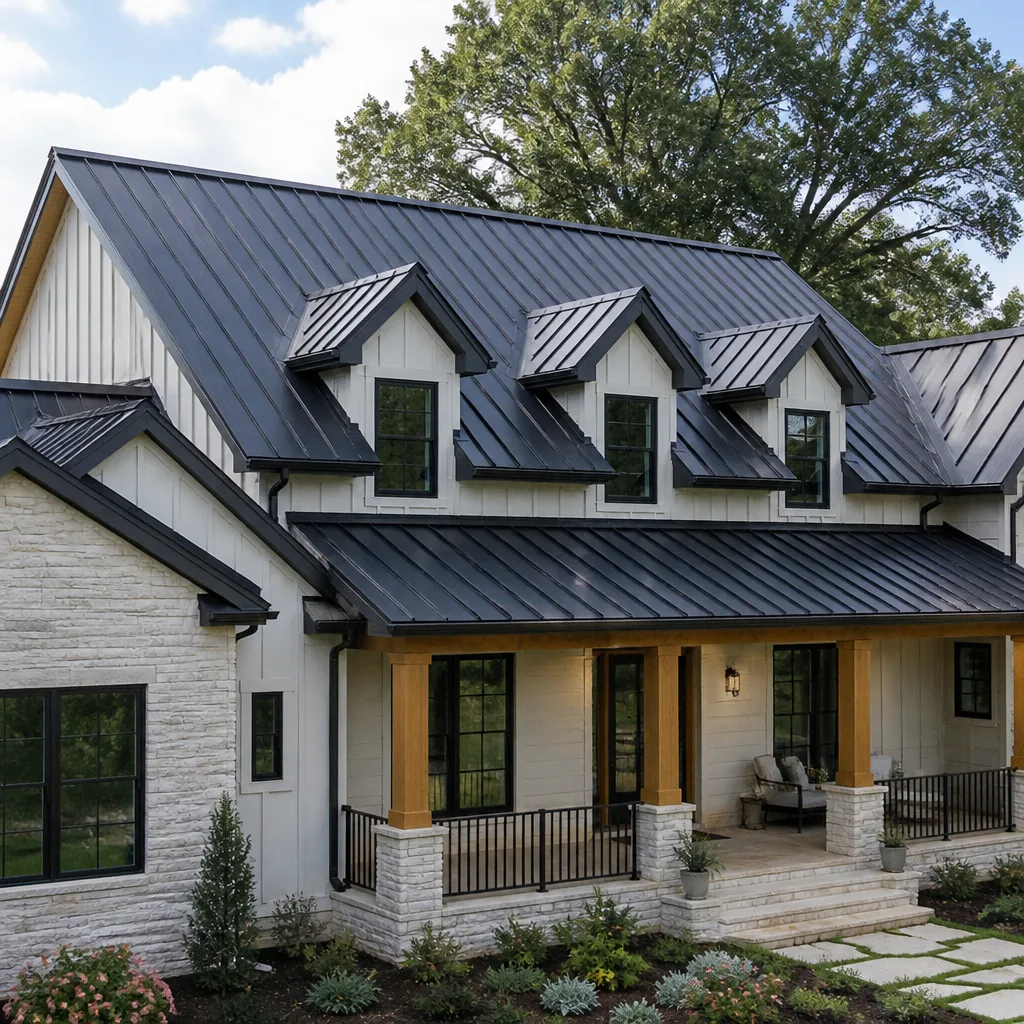 Metal roofing
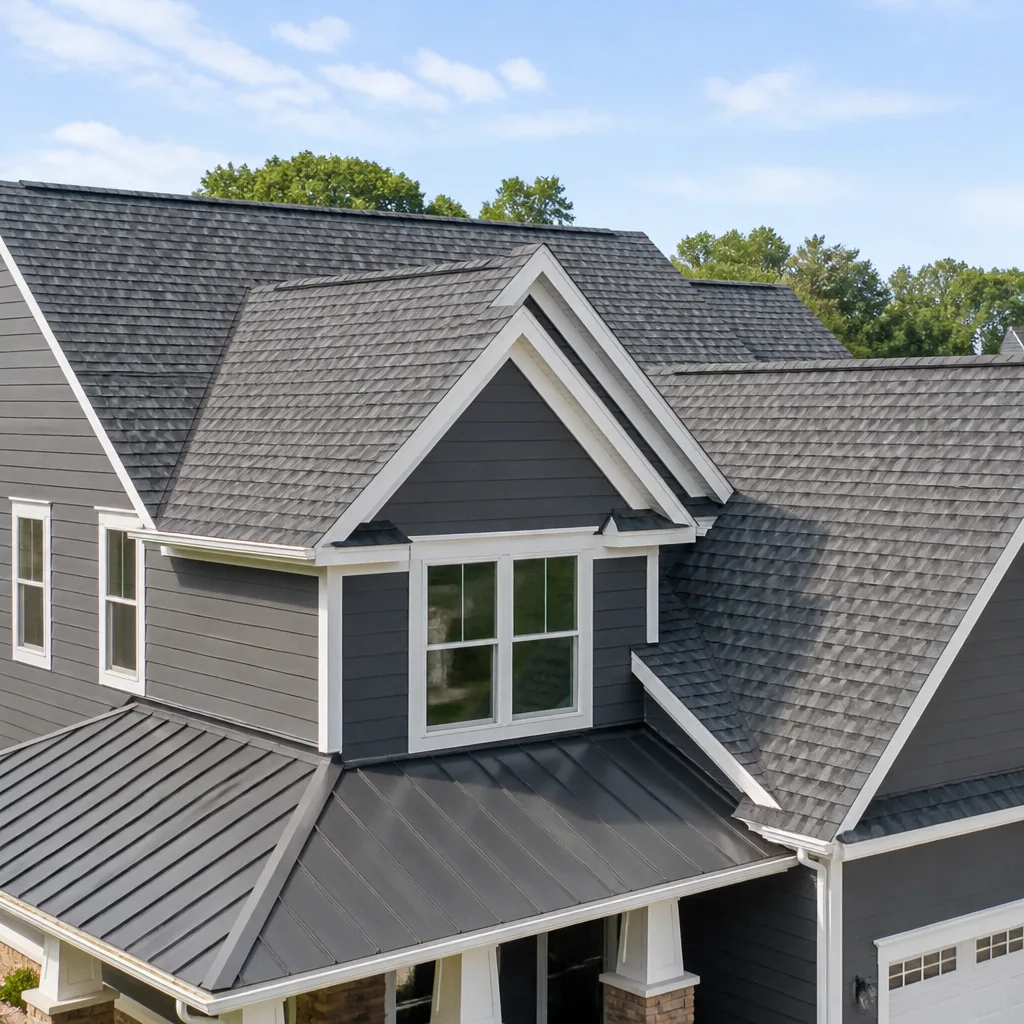 Architectural shingles
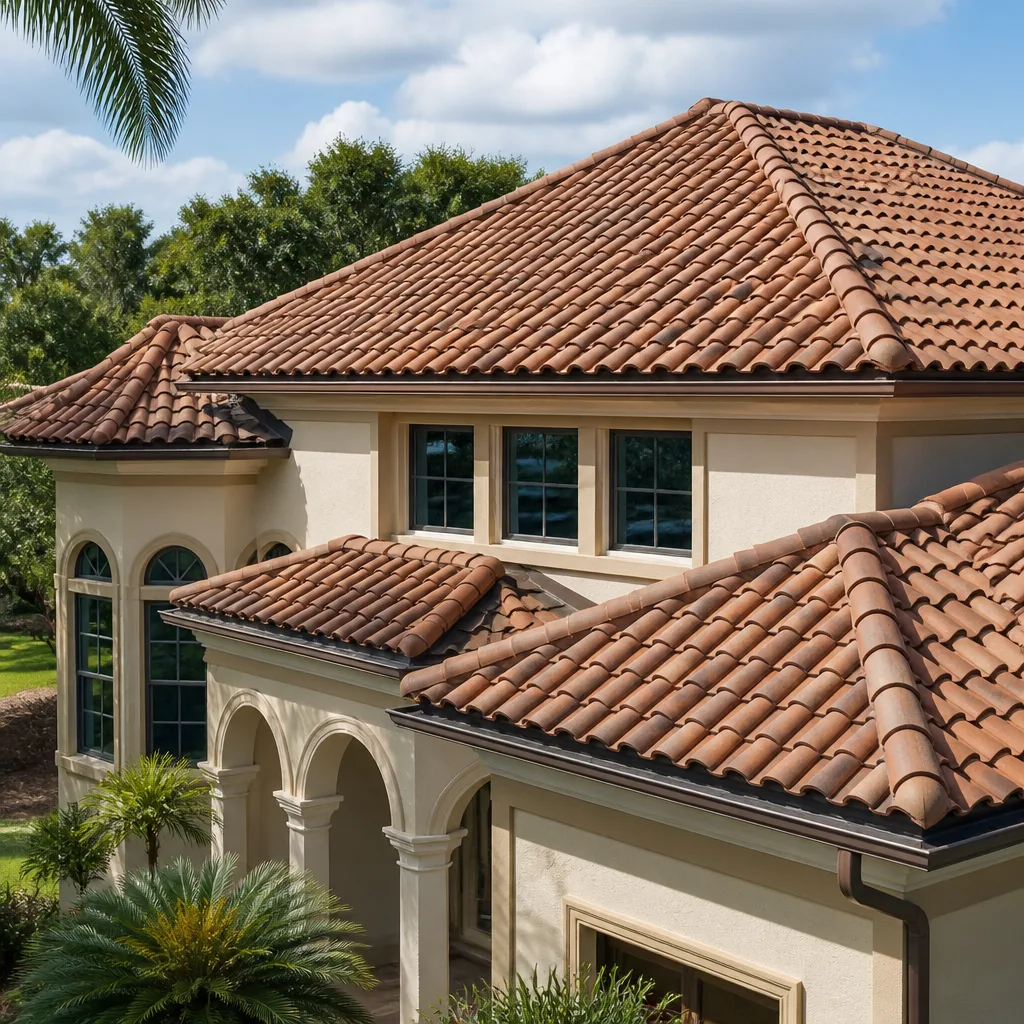 Tile roofing
 GAF
 Owens Corning
 Flat & low-slope
Free roof inspection with deck photos before we talk money - GAF and Owens Corning certified installation
DIY vs Professional Roofing: The Spring Valley Homeowner’s Decision Guide
Most DIY roofing guides skip the part that matters most. Nevada lets a homeowner pull their own roofing permit, so the paperwork is genuinely accessible. But self-installing a shingle system on a major manufacturer’s product typically voids that manufacturer’s warranty, and that tradeoff rarely appears in the how-to articles. What looks like a few thousand dollars saved on labor can quietly cancel the coverage that protects the roof for the next couple of decades. And in a Spring Valley summer, the physical risk of working up there adds a second layer most guides avoid. This guide breaks down which tasks are truly DIY-appropriate here, which cross into permit territory, how the warranty math actually works, and what to know before you climb a ladder.
Quick Answer
In Spring Valley, genuinely DIY-appropriate roofing work is limited to gutter cleaning, minor sealant touch-ups, and attic inspection from below. Anything that replaces roofing material, opens the deck, or disturbs the waterproofing layer crosses into permit-required work that usually voids the manufacturer warranty on brands like GAF, CertainTeed, or Owens Corning when self-installed. The labor savings rarely outweigh what you give up in warranty coverage and insurance protection on a typical home.
Styles & brands we work with
- Architectural shingles
- Metal roofing
- Tile roofing
- GAF
- Owens Corning
- Flat & low-slope
Table of Contents
- Does a Self-Pulled Permit Void the Warranty in Spring Valley?
- What Roofing Work Is Actually DIY-Appropriate Here?
- How Does Spring Valley Heat Change the Safety Calculus?
- The Warranty Math: What You Give Up vs. What You Save
- How Unpermitted DIY Work Affects Your Insurance
- The One Scenario Where DIY Makes Sense
- How a Professional Roof Project Actually Runs in Spring Valley
- How to Choose a Roofer Without Getting Pressure-Sold
Does a Self-Pulled Permit Void the Warranty in Spring Valley?
Yes, in most cases self-installing a shingle system voids the manufacturer warranty on major brands. That’s the fact most DIY guides leave out, and it’s the single biggest hidden cost of going it alone in Spring Valley. Manufacturer warranties on GAF, CertainTeed, Owens Corning, and similar products are written around installation by a qualified, licensed contractor. When a homeowner pulls their own permit and installs the material, the warranty registration typically won’t qualify for the full coverage. The permit itself isn’t the problem; the missing contractor relationship with the manufacturer is.
Why this matters more than it seems: a shingle “system” is only as good as the layers working together. The underlayment, the starter course, the field shingles, the ridge cap, and the flashing need to be installed to the manufacturer’s published spec as a unit. When those layers are installed correctly by a contractor registered with the brand, you get the warranty that covers defects in materials, workmanship, or both depending on the product tier.
Here’s where homeowners get tripped up. Spring Valley sits in a climate that’s genuinely hard on roofs: intense summer sun, big day-night temperature swings, occasional monsoon moisture. Material failures that show up under that stress are exactly the ones warranty coverage is meant to handle. Without it, the replacement bill lands on you.
If you’ve already self-installed or you’re inheriting a roof that may have been, start with a documented inspection before assuming the worst. Our roof inspection service records what’s actually on the roof, which flashing is sound, and what the warranty status likely is. Knowing the truth beats guessing.
What Roofing Work Is Actually DIY-Appropriate Here?
Gutter cleaning, minor sealant touch-ups around vents and penetrations, and visual attic inspection are the genuinely DIY-appropriate tasks. Everything that replaces material or opens the deck is not. The line isn’t about skill; it’s about what alters the roof’s coverage and what touches the warranty and permit structure. Spring Valley homeowners who want to handle the safe maintenance without calling anyone can absolutely do so.
Here’s the honest split:
- Gutter cleaning: Safe, useful, and no permit needed. Keep the debris off before the monsoon season so water drains away from the roof edge and the walls.
- Minor sealant touch-ups: Replacing cracked sealant around a vent, pipe boot, or skylight edge is reasonable. Use roofing-rated sealant, not all-purpose caulk, since Sun exposure degrades the wrong products fast here.
- Attic visual inspection: From inside, with a flashlight, looking for water staining, daylight through the deck, or sagging. This tells you whether to call a professional without climbing anything.
- Clearing debris from the roof surface: Sweeping off leaves and branches with a soft tool is fine. Walking a steep pitch is not worth the risk.
What crosses over into permit territory and warranty-affecting work:
- Replacing any shingles or tiles
- Removing or reinstalling flashing
- Repairing or replacing the underlayment
- Any work that requires opening the roof deck
- Full or partial replacement of the roofing surface
For those, the local permit system exists for a reason. Spring Valley has seen a lot of quick-and-dirty patch jobs over the years, and the ones that fail are usually the ones installed without a permit or an inspection. A proper repair won’t just close the leak; it’ll keep the manufacturer warranty intact on the rest of the roof. When a repair is genuinely the right answer, our roof repair service handles it with the paperwork in order.
How Does Spring Valley Heat Change the Safety Calculus?
Spring Valley summer heat turns a roofing project into a genuine physical hazard, not a minor discomfort. Roof surface temperatures here in June routinely exceed 170°F, which is well past the point where bare skin can take contact and where heat illness can set in within minutes of exertion. That changes the safety math for anyone considering DIY work on the surface. A shingle installation that would be a long Saturday project in a mild climate is a serious risk in a Spring Valley June.
What that means in practice:
- Surface temperature can reach 170°F+ on sun-exposed shingles in the summer, which is hot enough to burn skin on contact.
- The heat radiating off the roof raises the effective temperature on a person working there, and heat illness thresholds can be hit fast under those conditions.
- Heat exhaustion and heat stroke are the real risks, not just getting hot and sweaty.
- Working early morning or late afternoon is safer temperature-wise, but it shrinks the usable window dramatically.
- Hydration, shade breaks, and a spotter are not optional here; they’re baseline safety.
That’s before you add the fall risk. A roof isn’t a flat work surface, and the pitch combined with heat fatigue multiplies the danger. This is one of the reasons we treat planned roof work with careful scheduling rather than urgency language: nobody should be on a Spring Valley roof in July heat without planning.
The other practical heat problem is material behavior. Shingles get soft and difficult to work with when they’re hot; sealant strips won’t set correctly; adhesives behave differently. Professional installers account for this with timing and technique, which is part of what keeps the manufacturer warranty valid and the roof performing the way it should.
The Warranty Math: What You Give Up vs. What You Save
On a typical 2,000 square foot Spring Valley home, the labor savings of DIY vs. professional installation generally do not exceed what you give up in manufacturer warranty coverage. That’s the honest calculation. Once you weigh the coverage you lose, the permit complications, and the insurance exposure, the DIY case gets very thin for anything beyond maintenance. The math explains why most homeowners who start down this road end up calling us anyway.
Here’s how the comparison breaks down:
- What you “save” on DIY: the labor line item on the estimate, plus the overhead of hiring.
- What you give up: the manufacturer’s material and workmanship warranty, which is typically the coverage that pays when a shingle system fails within its useful life.
- What can go wrong silently: improper underlayment installation, flashing that looks fine but isn’t, ventilation that isn’t balanced, all of which can cause failures the warranty would otherwise cover.
- The insurance piece: unpermitted work can affect how a later damage claim is handled (more on that in the next section).
The value of the warranty is real, not hypothetical. A shingle system installed correctly with the warranty in force means that if a material defect shows up years down the road, the manufacturer covers it. When you self-install, that backstop is gone. And in Spring Valley’s climate, where heat and monsoons stress a roof harder than in temperate markets, the failure modes the warranty protects against are exactly the ones most likely to happen.
We install products from brands including GAF, Atlas, Tamko, and Boral across value, mid-range, and premium tiers. The point of working across manufacturers is that the material choice is driven by your roof and your budget, not by what one supplier happens to push that month. A full roof replacement should come with the warranty and the paperwork that make it worth doing.
How Unpermitted DIY Work Affects Your Insurance
Unpermitted DIY roofing work can compromise homeowner’s insurance coverage for damage that follows. Insurers aren’t unreasonable here; the reason is that when a claim comes in for water damage after a self-installed roof failed, they’ll ask whether the roof was installed to code and with a permit. If the answer is no, coverage for that claim is at risk. That’s the scenario every homeowner should understand before reaching for a nail gun.
The chain of events usually looks like this:
- A homeowner self-installs or self-repairs part of a roof without a permit.
- The work passes fine for a season or two.
- A monsoon rain, wind event, or heat-driven material failure causes water intrusion.
- The homeowner files an insurance claim.
- The claim gets complicated because the roof work wasn’t permitted or inspected, and the insurer disputes whether the damage stems from covered perils or from defective workmanship.
Even if the claim is eventually honored, the process takes longer, may result in a partial payout, and can raise flags on future coverage. Licensed, permitted work avoids that problem entirely because the record is clean. It’s one of the strongest arguments for professional work that most DIY guides never make.
None of this is meant to scare you off maintenance. Gutter cleaning, sealant checks, and attic scouting are all fine and won’t affect a thing. The insurance exposure comes when material is altered or the deck is opened without the permit and inspection that establish the work was done correctly.
The One Scenario Where DIY Makes Sense
The narrow DIY-appropriate scenario is an experienced homeowner handling maintenance-only tasks on a roof with clear access and no permit requirement, where the scope stays entirely below the material line. That’s it. The scenario where a homeowner has both the skill and tools to self-perform a full roofing project in Spring Valley, without material or legal consequence, is genuinely rare. Here’s how to recognize if you’re in it.
You’re in the narrow DIY zone if:
- Your work is limited to gutter cleaning, sealant touch-ups around penetrations, or clearing surface debris.
- You have safe ladder access and a low-pitch or walkable section of roof.
- You’re working early morning or late afternoon in the heat, not midday in summer.
- You’re not touching the shingles, underlayment, or flashing.
- You’re not disturbing anything the manufacturer warranty covers.
- You’re not modifying the roof deck.
When homeowners in the 89147, 89118, or 89148 areas of Spring Valley ask us whether they should tackle a task themselves, this is the checklist we walk through with them. If every box is checked, do it yourself and don’t overthink it. If any box is unchecked, especially anything involving the shingles or flashing, the math changes fast. There’s a great deal of satisfaction in keeping your own roof clean and clear. There’s also no shame in calling in a professional for the work that carries the real risk.
How a Professional Roof Project Actually Runs in Spring Valley
A professional roof project in Spring Valley runs inspection first, then a documented scope, then a written estimate, then scheduling and installation, with the permit pulled and the final inspection passed. We don’t start with an estimate that was written blind; we start with what’s actually on the roof. That’s the process that produces a real recommendation rather than a guess.
The sequence typically looks like this:
- Inspection. A documented assessment covers the roof surface, flashing, penetrations, vents, and any signs of water intrusion. You get the findings in hand.
- Material conversation. Once we know the condition, we talk through options across the brands we install: GAF, CertainTeed, Owens Corning, IKO, Atlas, Tamko, and Boral. Different tiers handle the Spring Valley climate differently, and the best pick depends on the roof.
- Written estimate. A line-item quote, with the final price set by that written estimate. No change orders once work starts.
- Permit and scheduling. We pull the permit and coordinate the work, so the process is clean from the record standpoint.
- Installation. Materials installed to manufacturer spec, which is what keeps the warranty valid.
- Follow-up. Any issue that surfaces later, from a small leak to a warranty question, comes back to us. No handoffs.
Our technicians have up to 13 years of experience, and roofing is the only trade we work in. That’s what it means when we say the focus is roofs. Our Spring Valley work is all reviewed the same way, inspection first, findings second, conversation third.
How to Choose a Roofer Without Getting Pressure-Sold
You choose a roofer by requiring an inspection before any estimate, insisting on a written line-item quote, and checking that the brand relationship on the products they recommend is real. Most bad roofing experiences trace back to a contractor who offered one option and pushed it hard. Spring Valley homeowners don’t have to accept that. Ask questions early and the good ones rise to the top.
A few specific things to watch for:
- One-option quotes. A contractor who only offers one brand is limiting your choices. We install products from seven leading brands, precisely so that the recommendation fits the roof and the budget.
- Verbal estimates. Anything that isn’t written isn’t a real estimate. A line-item quote with a clear price is a baseline expectation.
- Pressure to sign on the spot. A decision about your roof deserves more than one conversation, and a good contractor will happily let you take the time.
- No inspection. An estimate written without a look at the roof is a guess dressed up as a quote.
- Unclear warranty situation. Ask directly which manufacturer warranty applies and whether the installation is registered for it.
GAF, CertainTeed, Owens Corning, IKO, Atlas, Tamko, and Boral are the brands we work with. The point of that breadth is that the materials are chosen for your roof, not by what a single-supplier relationship pushes us toward. That’s a standard you should expect from anyone who quotes your project.
Common Mistakes to Avoid
- Assuming the permit is the hard part. The permit is actually the easy part; the warranty consequences and the installation spec are what catch homeowners. Most DIY guides focus on permit acquisition and skip the warranty math entirely.
- Working midday in summer. Spring Valley June roof surface temperatures can exceed 170°F, which is a real burn and heat illness risk. Work in early morning or late afternoon, never full midday heat.
- Using all-purpose caulk. Roofing-rated sealant and generic caulk are not interchangeable, and the wrong product fails quickly under this much sun. Use the roofing-specific product on any touch-up.
- Skipping the attic inspection. Water staining inside the attic tells you there’s a problem before you can see it from outside. Skipping that step means you don’t know what you’re dealing with.
- Self-installing to save labor and losing the warranty. That trade is rarely in your favor on a 2,000 square foot home. The warranty coverage protects the roof for years, while the savings are one-time.
- Ignoring insurance implications. Unpermitted roofing work can complicate a later damage claim. Keep the record clean and the claims straightforward.
- Taking a one-option quote at face value. If a contractor only offers one brand, your choice is already narrowed. Ask what other materials are available for your roof and budget.
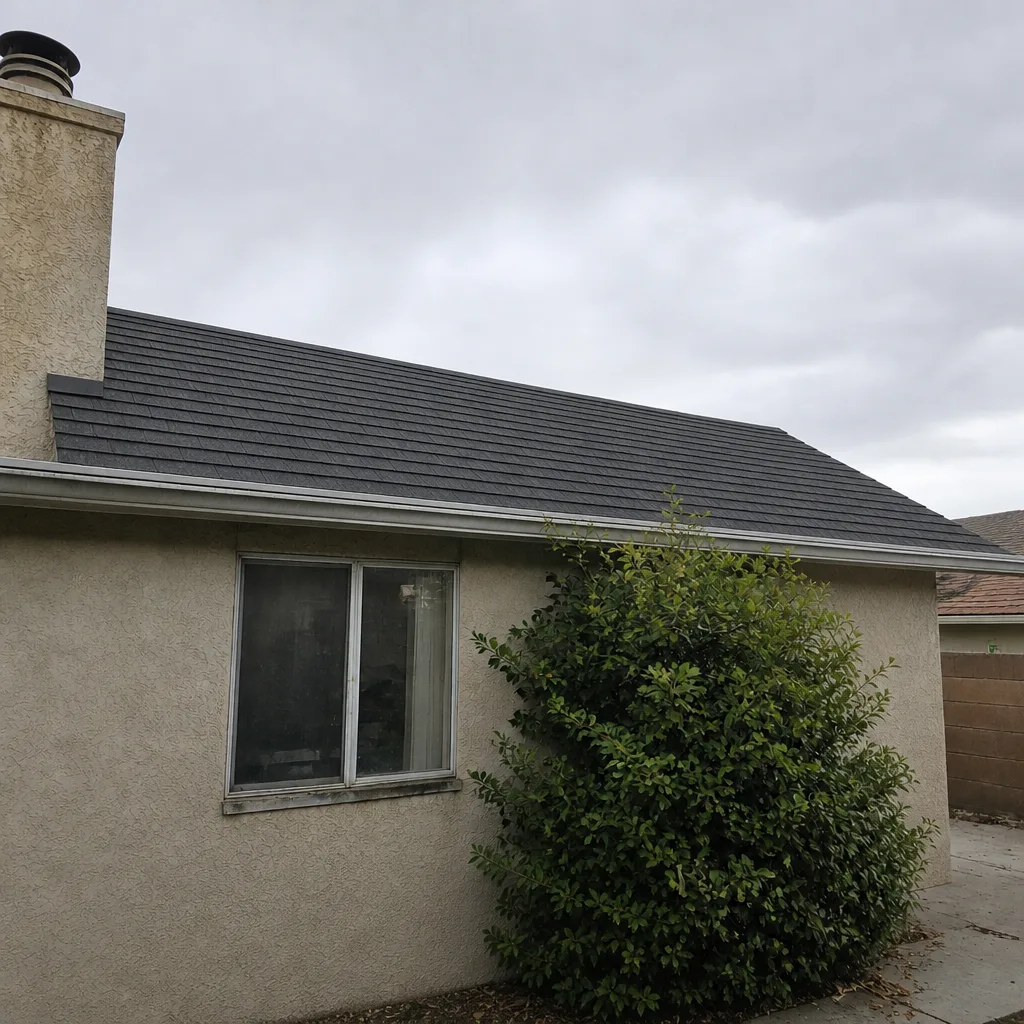
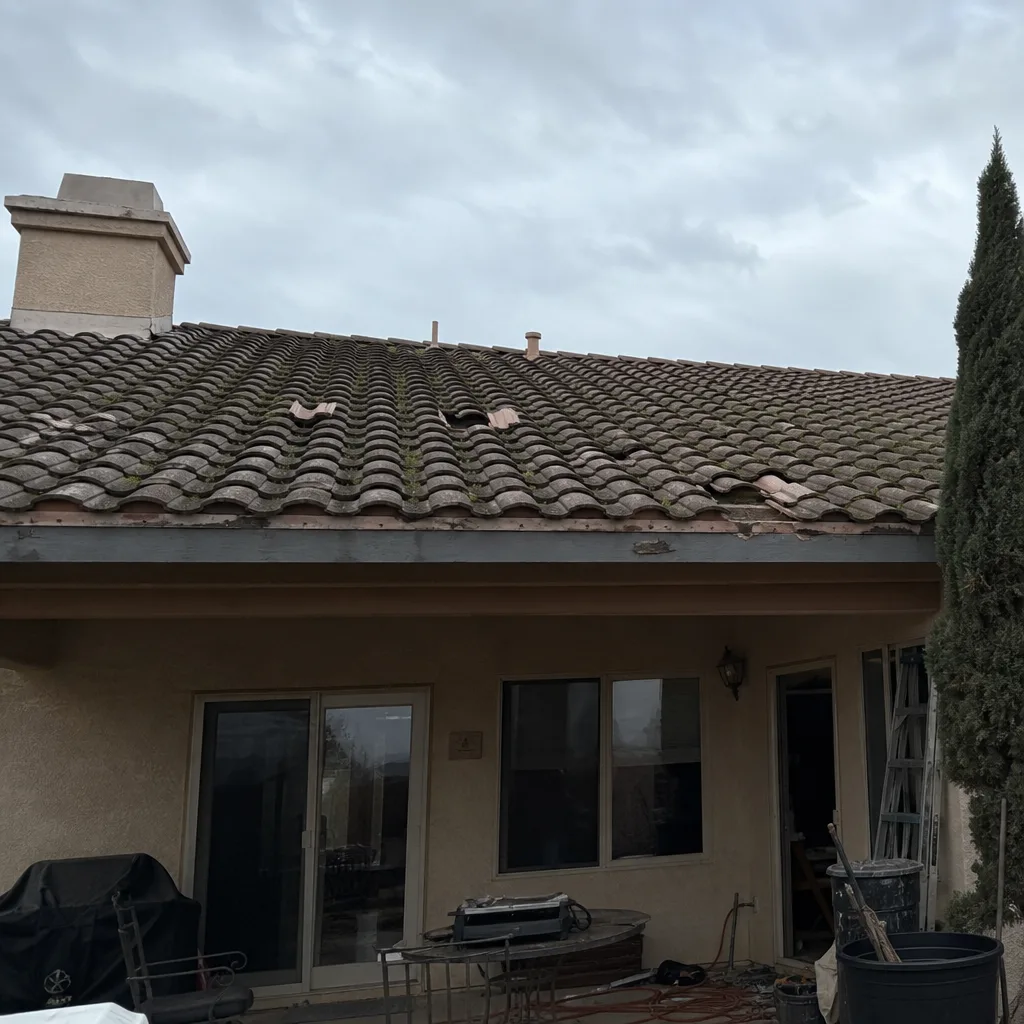
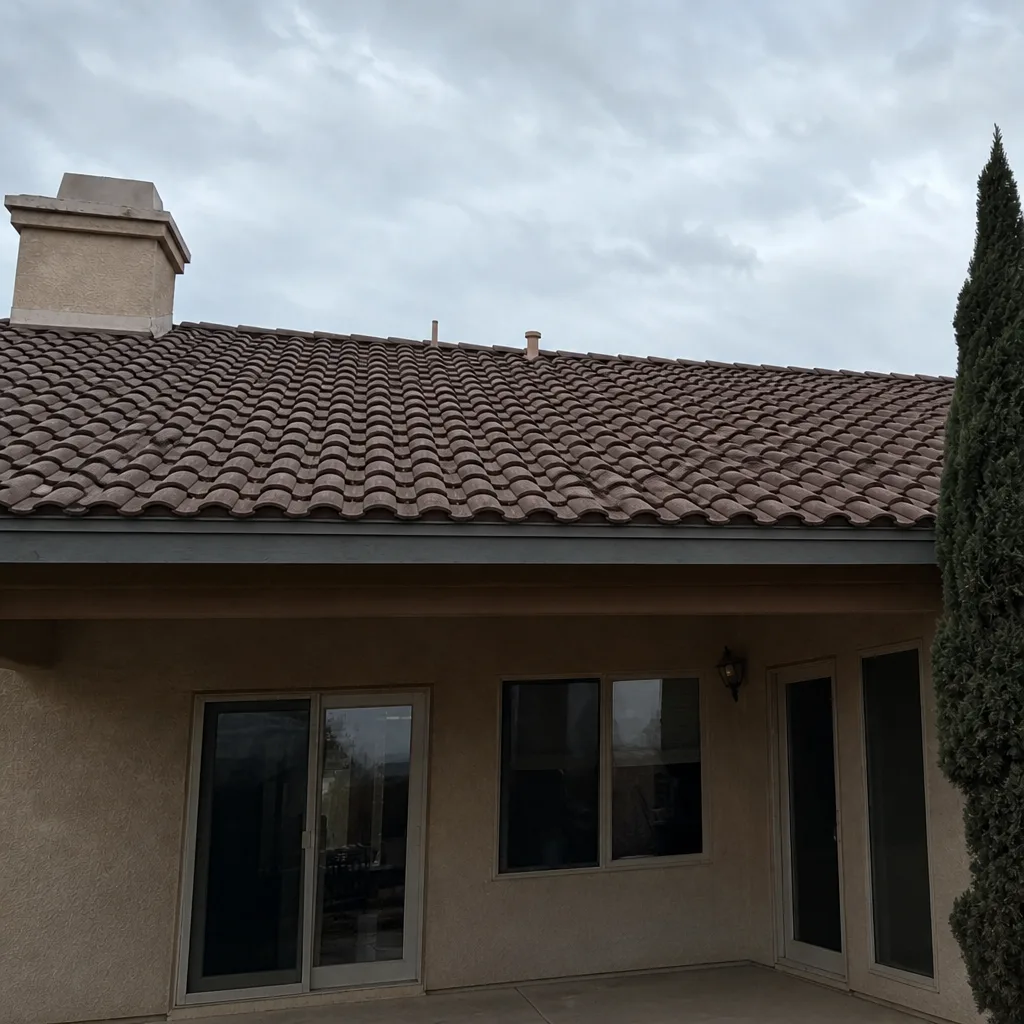
See the difference
 Before
 After
 Before
 After
 Before
 After
When to Call a Professional
Call a professional when water is getting in, when shingles are missing or lifting, when flashing is suspect, or when the roof itself is at or near the end of its service life. Those aren’t DIY situations. Fresh water stains on the ceiling, granules collecting in the gutters, visible cracking in the shingles, or a sagging roofline all cross the line. Heat damage and monsoon-related wear are also common in Spring Valley and worth a look even when nothing has failed yet. A documented inspection tells you whether you’re looking at a repair or a replacement, and that knowledge is free to get.
Roofing Spring Valley offers free estimates in Spring Valley. Call (877) 851-0738. We answer 24/7. Fast dispatch from 7am to 7pm, Sunday through Friday. If you’re not sure whether you’re looking at DIY or professional territory, that’s exactly the conversation we want to have first. We’ll tell you when a repair is the right answer and when it isn’t.
Frequently Asked Questions
Nevada generally allows homeowners to pull their own roofing permit, but doing so means you take on the warranty and liability exposure that comes with self-installing the material. The permit is the easy part; the harder question is whether you’re comfortable with what the manufacturer warranty does when the homeowner installs the product. For most major-brand shingle systems, self-installing typically voids the warranty. Call (877) 851-0738 for a free estimate on professionally installed work that keeps the warranty valid.
Yes, self-installing a GAF shingle system typically voids the GAF manufacturer warranty, the same as with CertainTeed, Owens Corning, IKO, Atlas, Tamko, or Boral. These manufacturers write their warranties around installation by a qualified contractor. Call (877) 851-0738 and we’ll walk through what coverage applies to your roof.
Not safely in midday summer heat, without real precautions. Roof surface temperatures in a Spring Valley June can exceed 170°F, and heat illness thresholds arrive within minutes under those conditions. Early morning or late afternoon is the safer window. Call (877) 851-0738 for an inspection and we’ll handle the roof safely.
The cost difference is mostly the labor line item on a professional estimate, but that comparison misses the warranty value you give up with DIY. On a typical 2,000 square foot home, the one-time labor savings generally don’t beat the years of manufacturer coverage and insurance protection that professional installation includes. Call (877) 851-0738 for a free written estimate so you can compare real numbers.
Insurance coverage for damage following unpermitted DIY roofing work can be compromised, because the insurer will ask whether the work was permitted and inspected. That’s a risk that most homeowners never think about until they need to file a claim. Call (877) 851-0738 to get a documented inspection and permit-compliant work instead.
Gutter cleaning, minor sealant touch-ups, and attic inspection from below are genuinely safe DIY tasks. Everything that involves replacing shingles, opening the roof deck, or disturbing the flashing or underlayment crosses into permit territory. Call (877) 851-0738 if you’re not sure whether the task you have in mind is safe and appropriate to self-perform.
The Bottom Line
The DIY vs. professional roofing decision in Spring Valley comes down to a simpler question than skill level: what are you willing to give up in warranty coverage, insurance protection, and physical safety? The maintenance line is clear, and gutter cleaning, sealant checks, and attic inspection are reasonable for most homeowners. Everything that touches the shingles, flashing, or deck is not. The heat here pushes the safety risk higher than in most markets, the permit and warranty structures push the financial risk higher, and the labor savings are a one-time gain against years of coverage. Get an inspection, read the findings, and decide with real information. Call (877) 851-0738.
We install products from seven of the industry’s leading brands – GAF, CertainTeed, Owens Corning, IKO, Atlas, Tamko, and Boral – so the recommendation you get reflects your roof and budget rather than a single supplier. Start with a documented assessment from Roofing Spring Valley, and we’ll tell you straight when a repair is the right answer and when it isn’t.
Call (877) 851-0738 for a free estimate. We answer 24/7. Fast dispatch from 7am to 7pm, Sunday through Friday.
Written by the team at Roofing Spring Valley.