
Last updated November 15, 2026
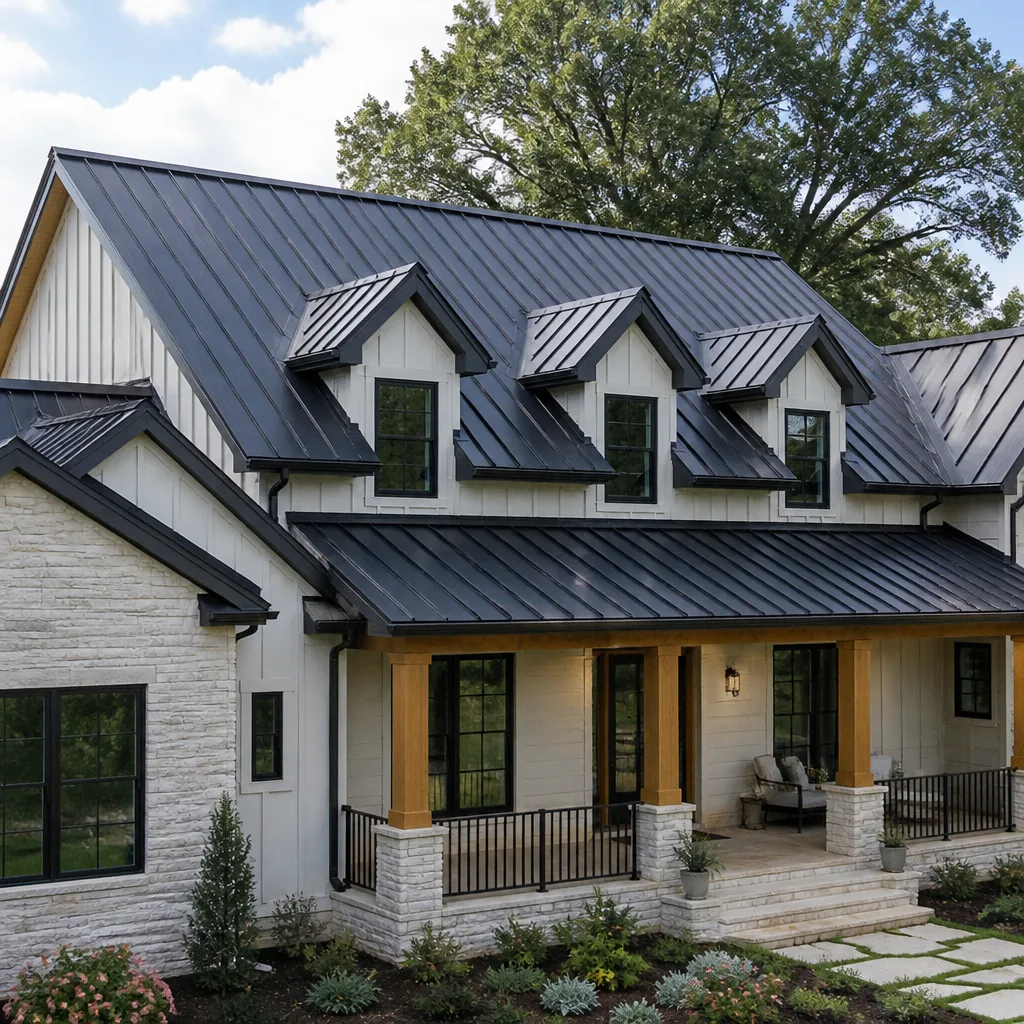 Metal roofing
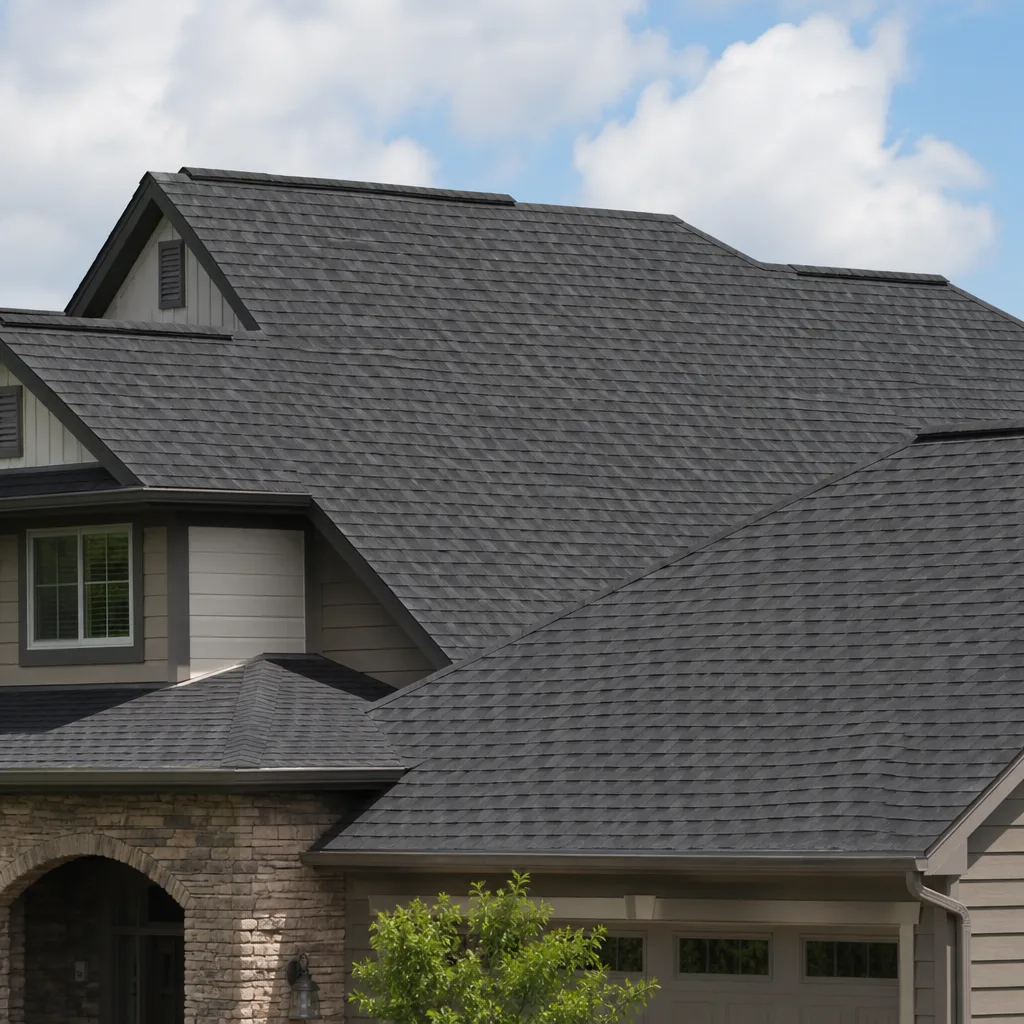
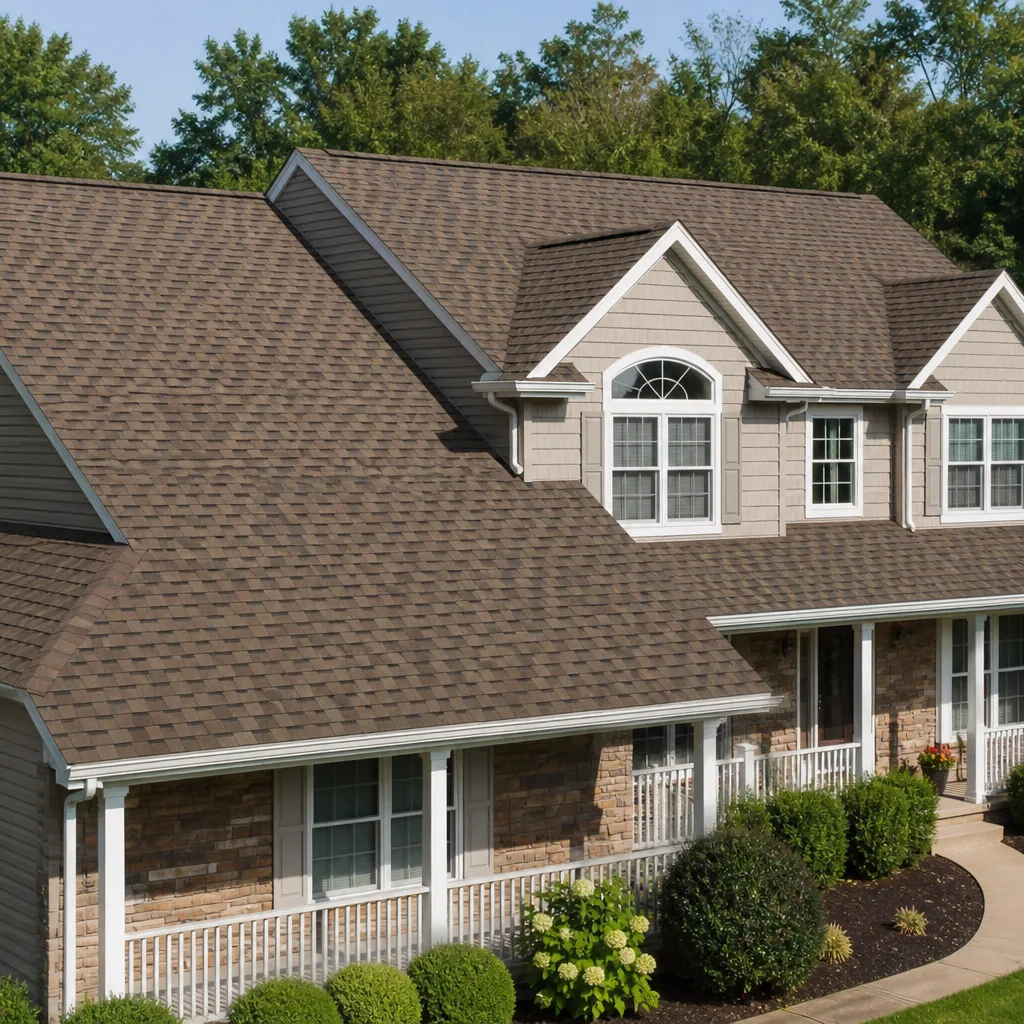
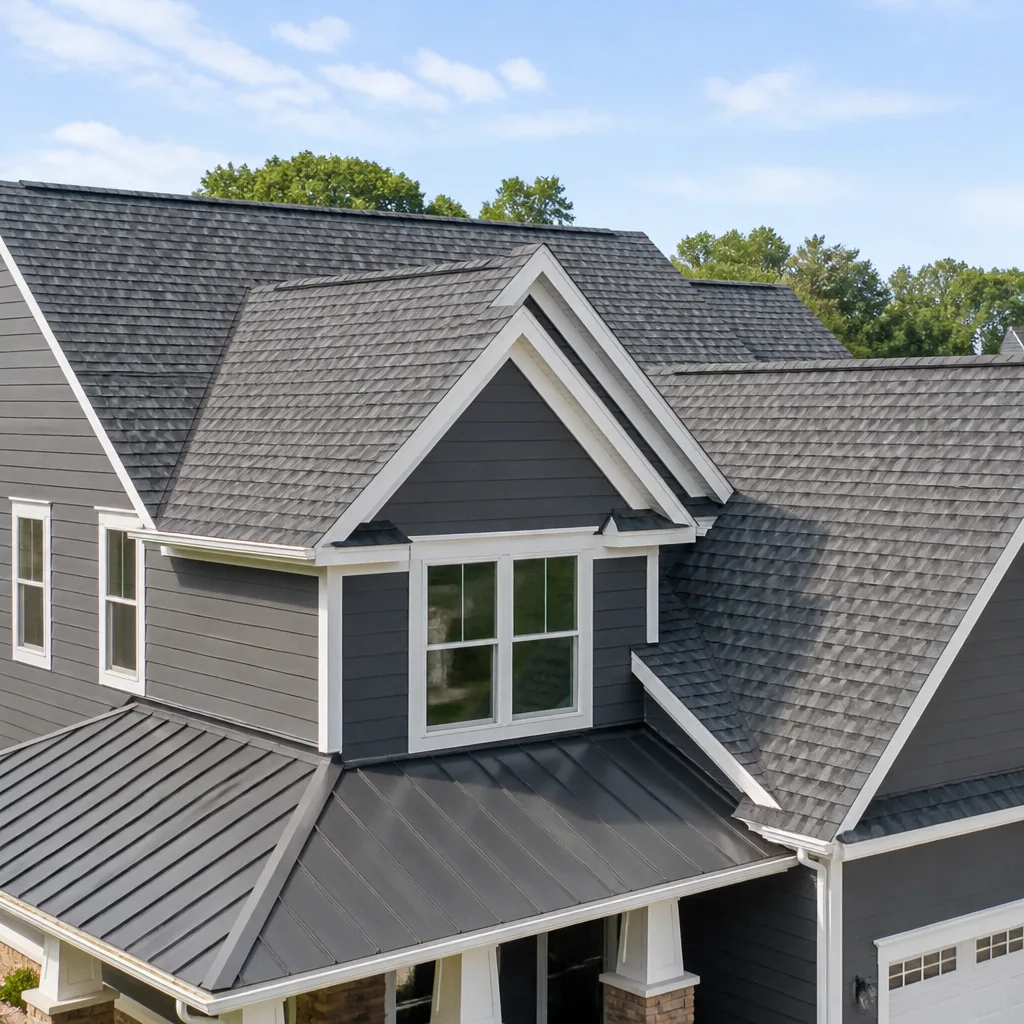 Architectural shingles
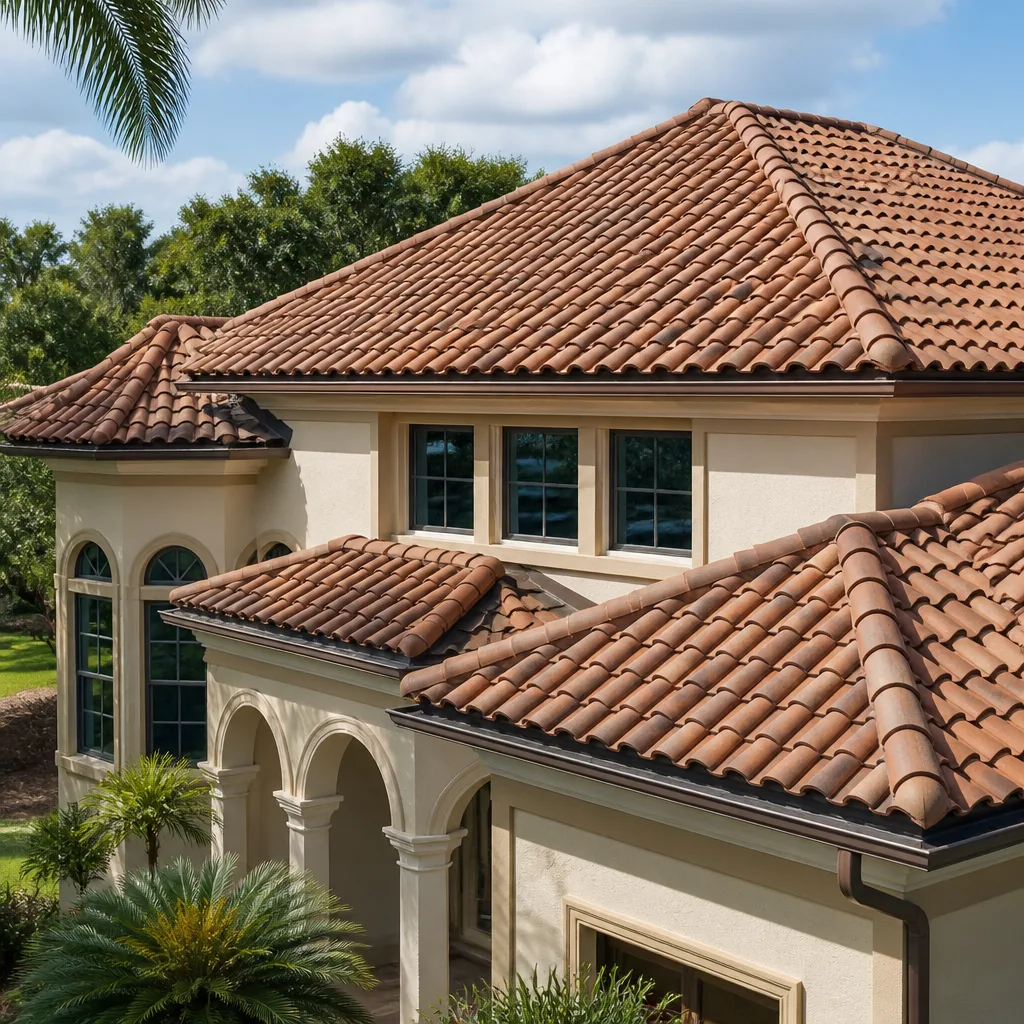 Tile roofing
 GAF
 Owens Corning
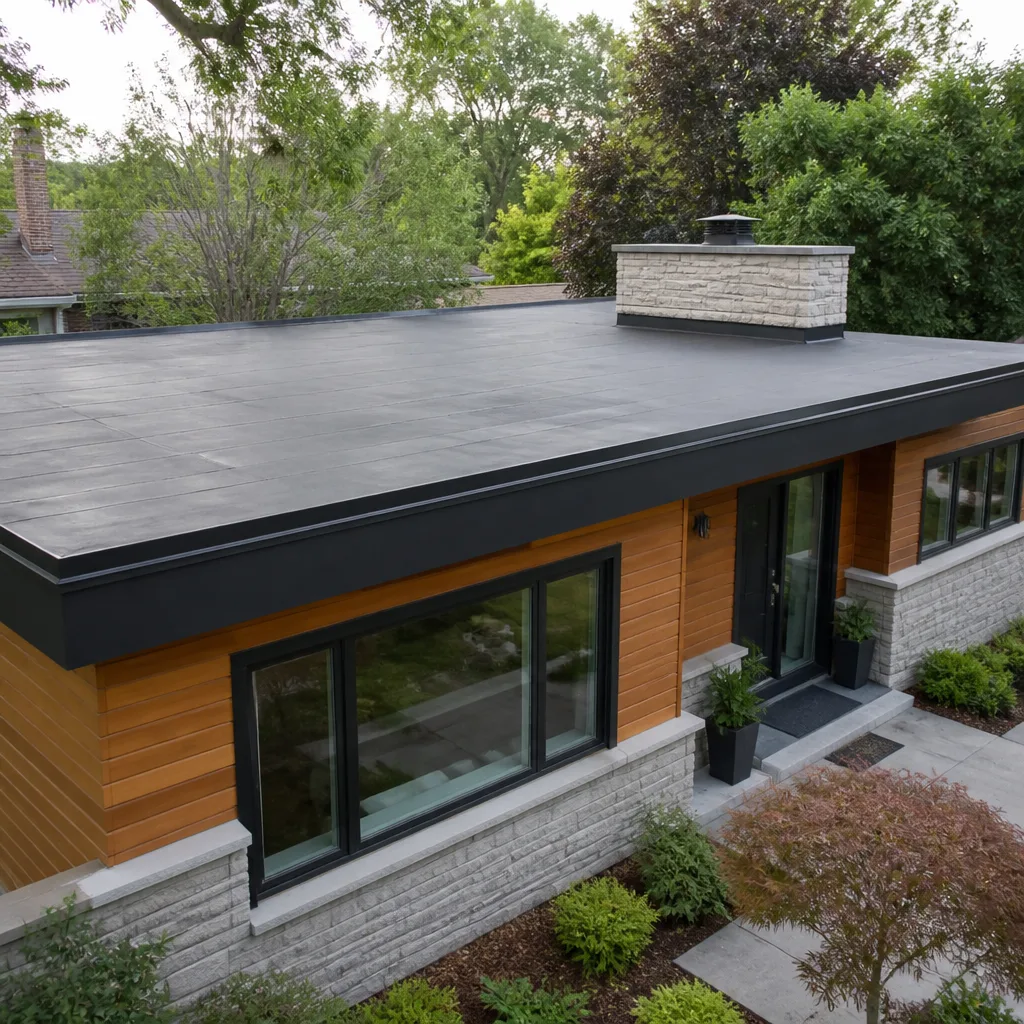 Flat & low-slope
Free roof inspection with deck photos before we talk money - GAF and Owens Corning certified installation
How to Hire a Roofing Contractor in Spring Valley: A Step-by-Step Guide
Most homeowners hiring a roofer in Spring Valley ask the wrong questions first. They ask about price, then about reviews, then about how fast the crew can start. The questions that actually protect you come earlier and sound more boring: Which license class does this contractor hold? Which manufacturer recognizes them as an installer, and for which product line? What exactly is written into the scope and the payment schedule?
The standard advice to “get three bids and check reviews” doesn’t separate a licensed roofing specialist from a temporary operation that blew into the valley after monsoon season and will be gone before your warranty matters. This guide walks through the verification steps, the contract language, and the bid-comparison framework that do. If you’re hiring on Spring Valley‘s residential streets, you’ll finish this page knowing exactly how to check a contractor before you sign anything.
Quick Answer
To hire a roofing contractor in Spring Valley, verify the contractor holds an active Nevada C-15 roofing license through the state contractor board’s public database before anything else, confirm which manufacturer product lines they’re authorized to install, insist on a written scope that names the exact product line and SKU, and never pay more than a modest deposit before materials land on the roof. Price is the last thing you compare, not the first.
Styles & brands we work with
- Architectural shingles
- Metal roofing
- Tile roofing
- GAF
- Owens Corning
- Flat & low-slope
Table of Contents
- Step 1: Verify the Nevada C-15 License, Not Just Any License
- Step 2: Check Manufacturer Certifications and Warranty Eligibility
- Step 3: Get an Inspection Before You Get a Bid
- Step 4: Read These Three Contract Clauses Closely
- Step 5: Spot the Post-Storm Red Flags in Spring Valley
- Step 6: Compare Bids Across Different Material Tiers
- Common Mistakes to Avoid
- Frequently Asked Questions
Step 1: Verify the Nevada C-15 License, Not Just Any License
A Nevada contractor’s license is not automatically a roofing license. This is the single most expensive misunderstanding in the local market. Nevada classifies contractors by trade, and a C-15 classification is the one that covers roofing work specifically. A general contractor’s license, or a license in another trade, does not authorize someone to replace your roof in Spring Valley.
It happens more than homeowners expect. A contractor with a valid license in a different classification bids a roof, subcontracts the actual labor, and the homeowner only discovers the gap when the work fails and the warranty claim hits a wall.
How the verification actually works
- Ask for the license number in writing. Not “we’re licensed” – the number itself, on the bid or in an email. A contractor who hesitates here is telling you something.
- Look it up in the state contractor board’s public database. Nevada’s board maintains an online license search. Type the number in and read the record.
- Confirm the classification reads C-15. If it lists a different trade or only a general classification, it doesn’t cover roofing.
- Check the status is active. A license that lapsed last year still exists in some records. Active is the only status that counts.
- Confirm the business name matches. The license should belong to the company bidding your job, not to a different entity or an individual you’ve never heard of.
Nevada’s contractor licensing board has logged hundreds of roofing complaints in the Las Vegas metro following a single post-storm season. The pattern in most of those complaints: the contractor had a license, but no roofing-specific credentials and no lasting local accountability. That’s exactly the gap this verification step closes.
Ask, too, whether the company will pull the permit. Roof replacement in most Southern Nevada jurisdictions requires one, and a permit pulled in the contractor’s name means the work gets inspected. Ask your city or county building department to confirm the local requirement for your address, then ask the contractor who pulls it. A licensed roofing specialist will answer immediately. Vague answers here are a warning sign.
This is also the moment to ask about insurance. You want both general liability and workers’ compensation coverage, because an uninsured crew member injured on your property becomes your problem. Ask for a certificate of insurance and confirm the dates are current.
Step 2: Check Manufacturer Certifications and Warranty Eligibility
Manufacturer certification programs get marketed as a quality badge, and they are that. But the part homeowners miss is harder to replace: the warranty upgrade. Most major shingle manufacturers offer two warranty tiers – a standard manufacturer warranty, and an enhanced system warranty available only when a certified installer uses the manufacturer’s full component system and registers the job properly. Hire an uncertified installer and you don’t get the enhanced tier at any price. The option simply isn’t on the table.
Certification also tells you something about accountability. Programs like the GAF Master Elite designation and the Owens Corning Preferred Contractor program require installers to maintain licensing, insurance, and a track record to stay listed. A contractor who can’t hold those requirements over time loses the credential. That makes the credential a living signal, not a one-time trophy.
What to ask about certification
- Which manufacturer programs are you enrolled in? Get the program name, not just “factory certified.”
- For which product lines? Certification is often specific. An installer certified on one line isn’t necessarily certified on another.
- Does our job qualify for an enhanced system warranty? Ask them to explain the requirements – full component system, certified installation, registration.
- Who registers the warranty, and when? It should be the contractor, and it should happen at or near project completion.
Working across multiple manufacturers matters here. We install products from seven of the industry’s leading brands – GAF, CertainTeed, Owens Corning, IKO, Atlas, Tamko, and Boral – which means the material recommendation follows your roof and your budget rather than a single-supplier relationship. A CertainTeed shingle and an IKO shingle sit at different price points and perform differently, and a contractor who carries only one brand can only sell you one answer.
One caution: don’t treat “certified with every brand” as the goal. The goal is knowing which product line fits your roof profile, and getting the correct warranty tier for it. That’s why our roof replacement conversations start with the roof, not the catalog.
Step 3: Get an Inspection Before You Get a Bid
A bid without an inspection is a guess. Sometimes an honest guess, often a sales number. The difference matters because the bid you sign becomes the price you pay, and a bid built on assumptions about your decking, flashing, and underlayment has cracks that get filled after work starts.
Ask for a documented roof assessment before any repair or replacement decision. In practical terms, that means an inspector gets on or over the roof, examines the components, and gives you written findings – what’s failing, what’s intact, what’s near the end of its service life. You want findings you can read and keep, not a verbal summary on the driveway.
What a real inspection covers
- Field shingles – granule loss, cracking, curling, missing or lifted shingles
- Flashing at walls, chimneys, valleys, and penetrations, where most leaks actually originate
- Underlayment and decking where accessible, looking for soft spots and water staining
- Attic-side evidence – staining, daylight, moisture, ventilation problems
- Drainage – gutters, downspouts, and how water leaves the roof
- Prior repair work that may be failing or was never done correctly
Spring Valley’s monsoon season is the annual stress test. Heavy summer rain finds every weak point – a lifted flashing, a nail head, a seam – and pushes water into the attic before the shingle looks bad from the street. That’s one reason an inspection done after the rains tells you more than a walk-around done in a dry month. The desert sun does the slow damage the rest of the year; the storms collect the debt.
A proper inspection also settles the repair-or-replace question before you spend anything. We’ll tell you when a repair is the right answer and when it isn’t, and a documented inspection gives you a factual basis to judge that advice. If you’re weighing a targeted fix, roof repair conversations go better when there’s an inspection report in hand.
Step 4: Read These Three Contract Clauses Closely
Three clauses separate a legitimate roofing contract from a lowball trap: the material specification, the payment schedule, and the lien waiver language. Read all three before you sign. If any one is vague, ask for it to be rewritten and reissued.
Clause 1: Material specification by product line and SKU
The contract should name the exact product line and, where the manufacturer publishes one, the SKU for the shingles, underlayment, and accessory components. “Architectural shingles” is not a specification. A CertainTeed Landmark shingle and a CertainTeed Highland Slate shingle are different products at different price points with different warranties. Without the SKU, a contractor can swap down after the bid is signed and you’d have no contractual ground to object. The written scope is what fixes the price, so make the scope unmistakable.
Clause 2: Payment schedule tied to milestones
A legitimate payment schedule is front-loaded lightly and tied to physical progress. A common pattern: a modest deposit to order materials, a progress payment when materials are delivered and the tear-off begins, and the balance on final inspection and cleanup. The red flags are large deposits before any material arrives, and pressure to pay the full amount up front for a “materials discount.” Either one shifts the risk from the contractor to you.
Clause 3: Lien waiver language
In Nevada, a contractor or supplier who isn’t paid can place a mechanics lien against your property, even if you paid the contractor in full. That’s why you want the contract to include a lien waiver or release provision – typically conditional waivers from the contractor and its suppliers at each payment stage, and a final unconditional waiver at completion. Ask how the contractor handles lien releases. If the question gets shrugged off, walk.
One more ask some homeowners forget: a written statement of what happens if the scope changes mid-job. Any change should require a written change order with a price before the work proceeds, not afterward. A written line-item quote with that structure is the standard to hold every bid on your roof to.
Step 5: Spot the Post-Storm Red Flags in Spring Valley
Nevada’s storm season brings out contractors who are only in the market while the storm damage is fresh. Not everyone knocking on a door is a problem – but the pattern of a temporary operation is recognizable once you know what to look for. Here are the red flags most specific to a post-storm market like Spring Valley’s.
Door-to-door solicitation after a storm
Legitimate Spring Valley roofing contractors rarely need to canvass neighborhoods after a weather event. They have more than enough repeat and referral work. A crew walking door-to-door a week after a storm, especially with a story about seeing damage on your roof from the street, is selling urgency rather than service. Ask where their last five jobs were and whether you can drive past them.
Out-of-state plates and out-of-market credentials
Check the registration status of the vehicle in the driveway and the address on the contract. A contractor operating out of a temporary location or from another state is unlikely to honor a warranty on a Spring Valley roof in two years. Manufacturing certifications like Owens Corning Preferred Contractor status are held by a specific legal entity – make sure the entity on the bid is the one that holds the credential.
Vague “insurance specialist” claims
“We handle your insurance claim” is one of the most common lines in a post-storm market, and it can mean several things. Confirm what the contractor actually does – can they work with your insurer on documentation and inspection, or do they claim to negotiate the claim for you? In most states, public adjusting requires a separate license. The honest version is that they can work with your insurer and document the damage; the dishonest version uses the phrase to skip the license check entirely.
Pricing pressure and vanishing warranties
A contract signed under a “today only” price is a contract signed without comparison. Legitimate contractors put their pricing in writing, quote per job by written estimate, and let you compare. Get everything in writing, including the warranty on the installation workmanship, not just the manufacturer’s product warranty. Those are two different things.
Verification takes an hour. The Roofing Spring Valley page lays out the three services we offer – repair, replacement, and inspection – because roofing is the only trade we work in, and the only thing to check a specialist against is their work.
Step 6: Compare Bids Across Different Material Tiers
Comparing three bids that quote three different shingles is comparing nothing at all. One bid for a value-tier architectural shingle and another for a premium-tier product can differ by thousands of dollars on the same roof, and that difference reflects material choice, not contractor quality. You need to normalize the bids before you compare them.
The unit to normalize on is cost per roofing square, where one square equals 100 square feet of roof area. Ask each bidder for the number of squares in the scope, the product line and SKU quoted, and the total installed price. Then divide. That gives you a per-square installed number for each bid, and the tier each number represents.
A normalization framework
- Value tier: entry-level architectural shingles from a major brand, often IKO or Tamko lines. Lower cost per square, standard manufacturer warranty.
- Mid-range tier: the standard architectural lines from GAF, CertainTeed, or Owens Corning. Better granule performance and a range of color options, with enhanced system warranties available when the full component system is installed and registered.
- Premium tier: designer or luxury shingles, or synthetic and other premium products like Boral’s lines. Highest cost per square, longest manufacturer warranties, and the biggest visual change to the home’s exterior.
Once every bid is expressed on the same tier, the comparison becomes honest. A bid that’s higher per square on the same product line deserves questions about labor, decking, and cleanup scope. A bid that’s lower on the same product line deserves harder questions about what’s excluded – flashing, underlayment, ridge venting, and haul-away are common exclusions that show up as change orders later.
Questions to ask each bidder
- How many squares does my roof measure, and does your bid reflect that measurement?
- Which product line and SKU is quoted, and what warranty tier does it qualify for?
- What’s included in the base scope, and what would count as an add-on?
- Is decking replacement priced separately, and at what per-sheet rate?
- What does a written line-item quote include for flashing, underlayment, and cleanup?
Ask each one to put those answers in writing. A bid that’s unwilling to itemize is comparing on price alone, and price alone doesn’t reach the roof.
Common Mistakes to Avoid
- Accepting a general contractor’s license as proof of roofing credentials. In Nevada, roofing falls under a specific license classification. Ask for the license number, check the classification, and confirm it reads C-15 before you sign anything.
- Comparing bids without normalizing the material tier. A value shingle and a designer shingle aren’t the same product. Ask for cost per square on the same tier before comparing dollars, because comparing raw totals across different products is how homeowners overpay for the wrong roof.
- Skipping the inspection because the leak “looks small.” The leak you see in the ceiling is usually downstream of the actual failure – a flashing or a valley or a nail head several feet uphill. An undocumented repair fixes the symptom and leaves the cause on the roof through the next monsoon season.
- Paying a large deposit before materials arrive. A cash-up-front contractor is a contractor with your leverage. Structure the payment schedule around milestones, and require a written change order for any scope addition before the work proceeds.
- Ignoring the lien waiver clause. In Nevada, an unpaid supplier can file a lien against your home even if you paid the contractor in full. Ask how the contractor handles conditional and final lien waivers at each payment stage.
- Signing after a door-to-door pitch without verifying anything. A contractor who can’t produce a license number and a certificate of insurance on the spot – in Spring Valley, in a market where storm-season canvassing is common – is a contractor whose paperwork doesn’t survive a records check.
- Assuming the manufacturer warranty covers the installation. Product warranty and workmanship warranty are separate. Confirm in writing what the contractor warrants on installation, and for how long, before the dumpster shows up in your driveway.
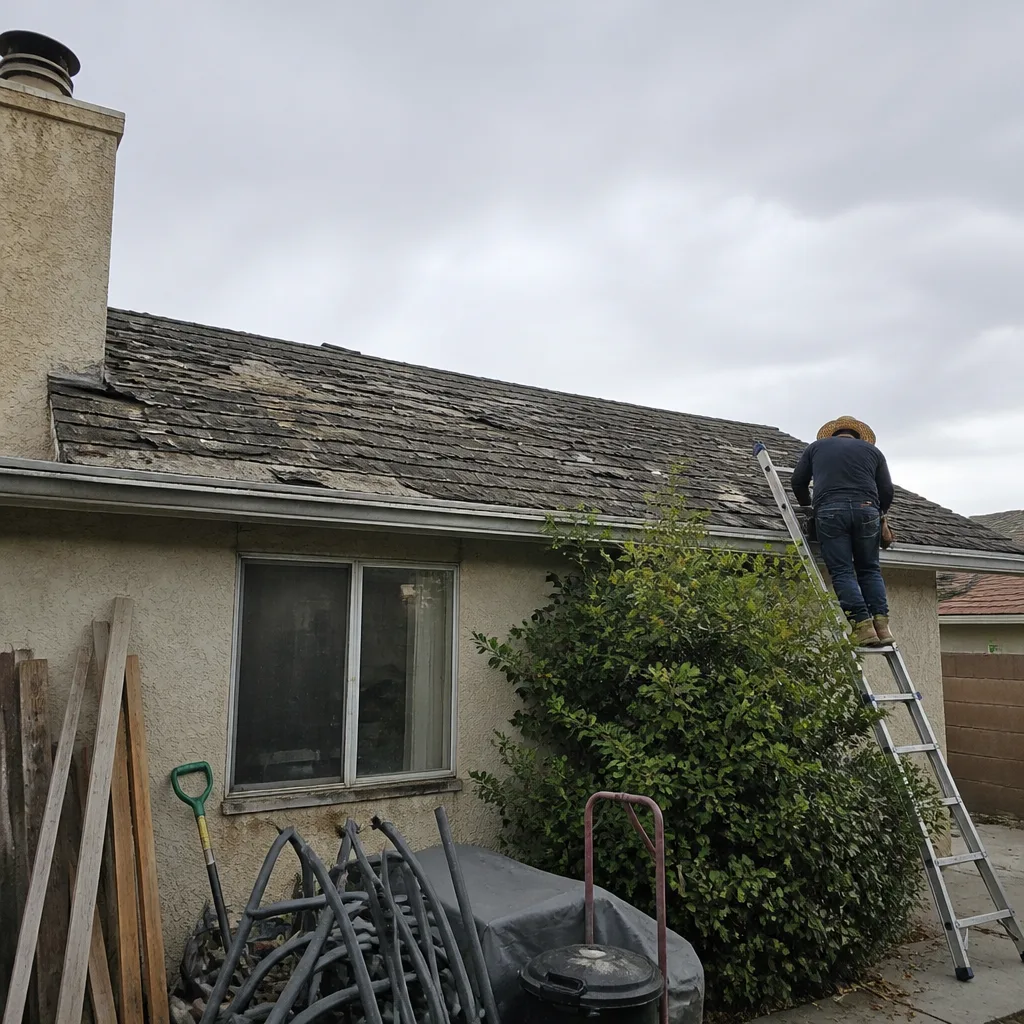
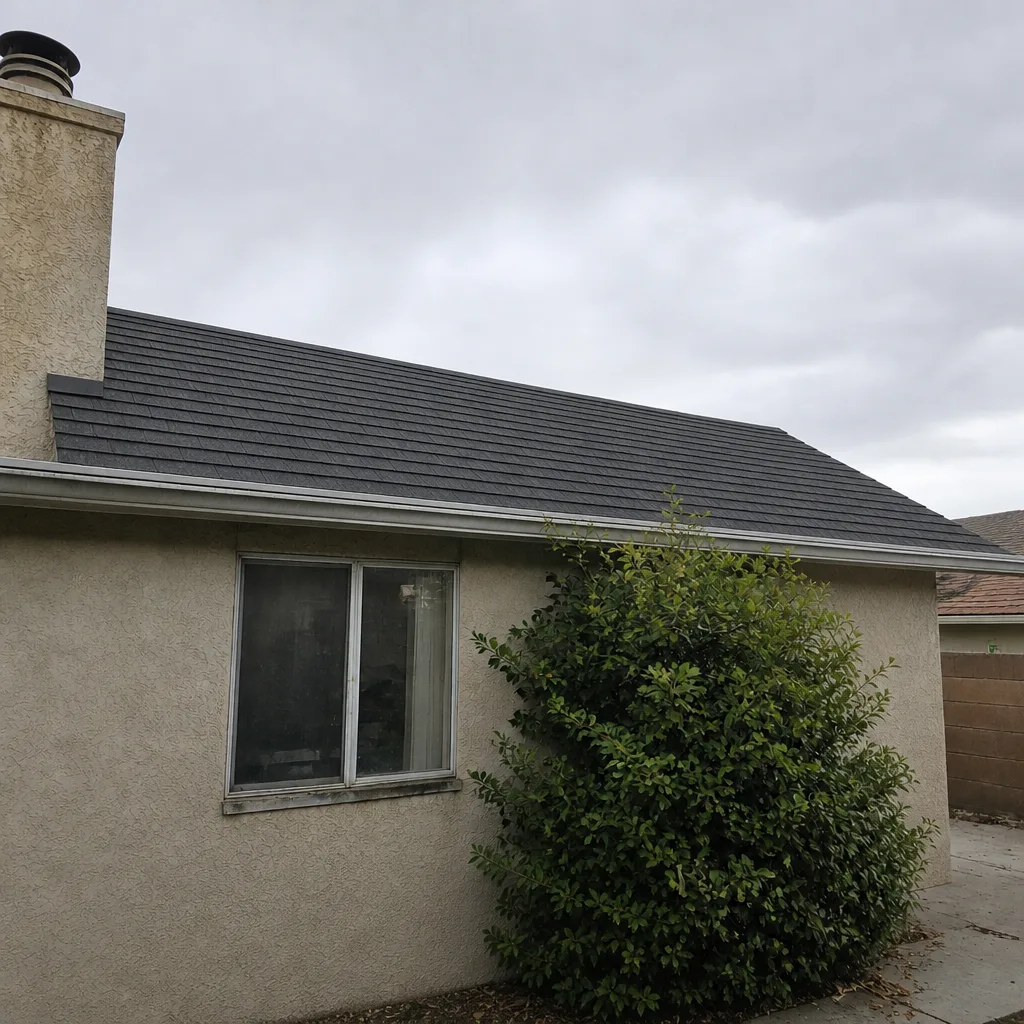
See the difference
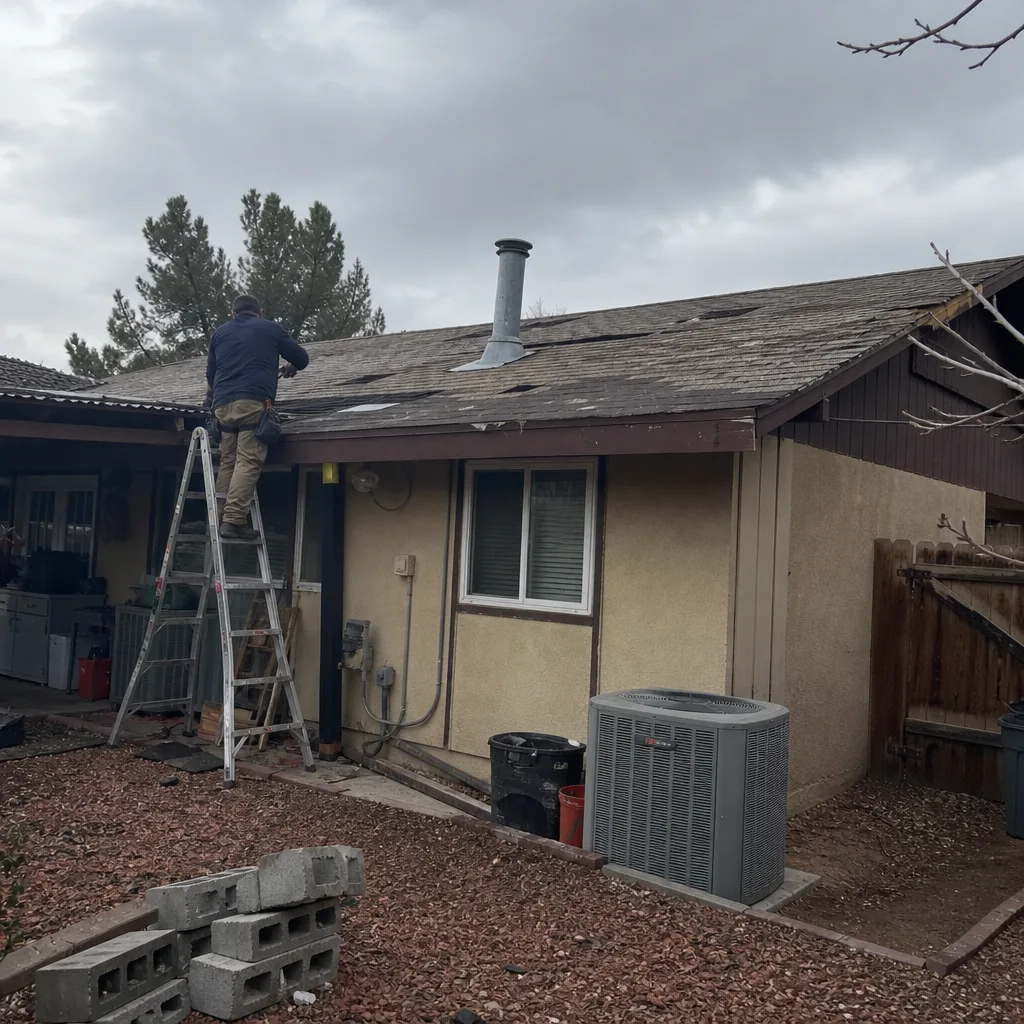 Before
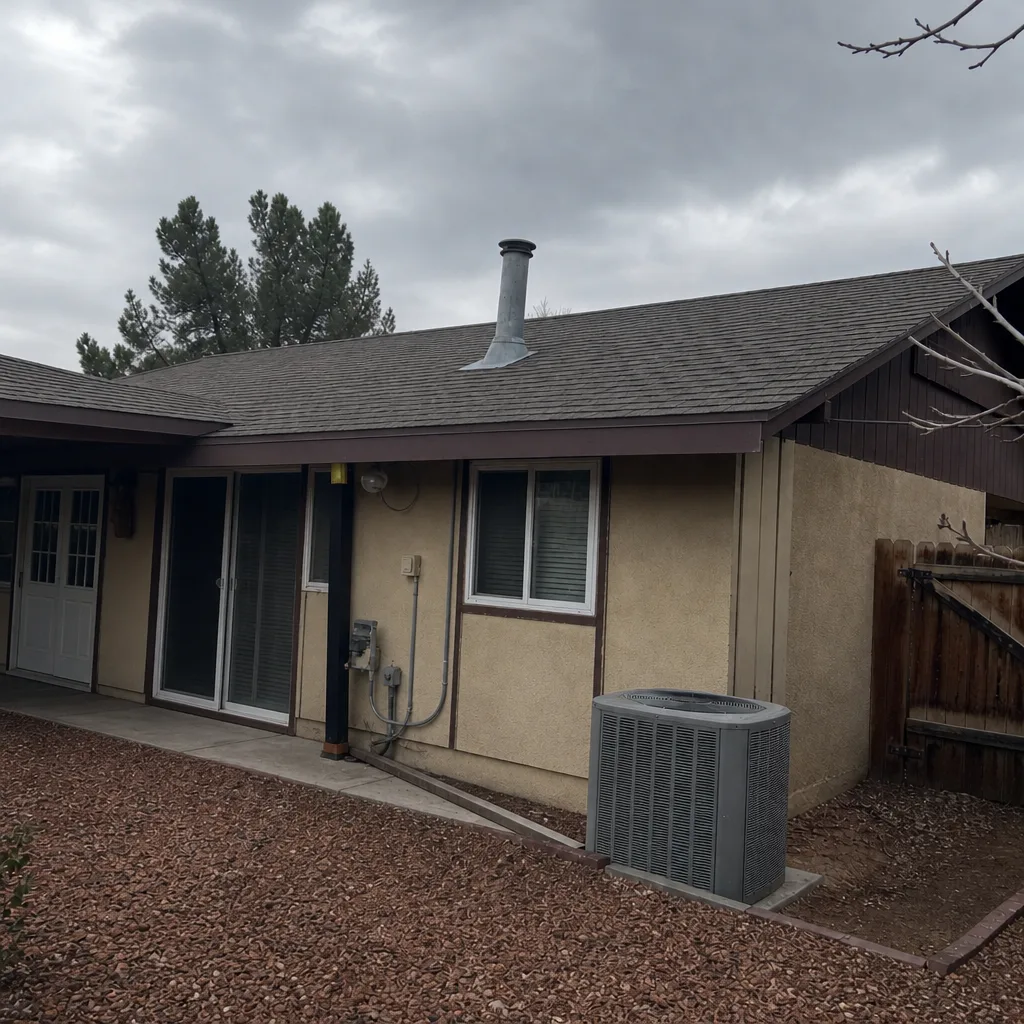 After
 Before
 After
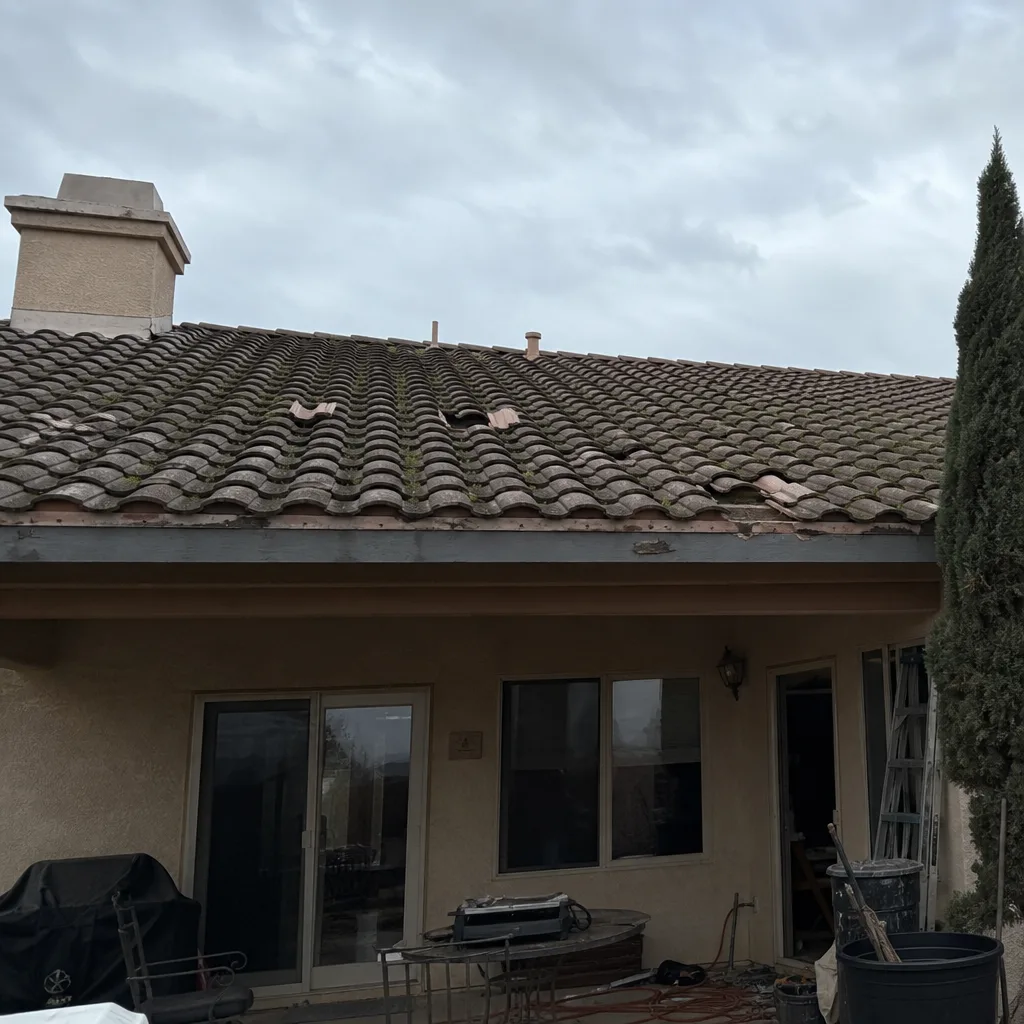 Before
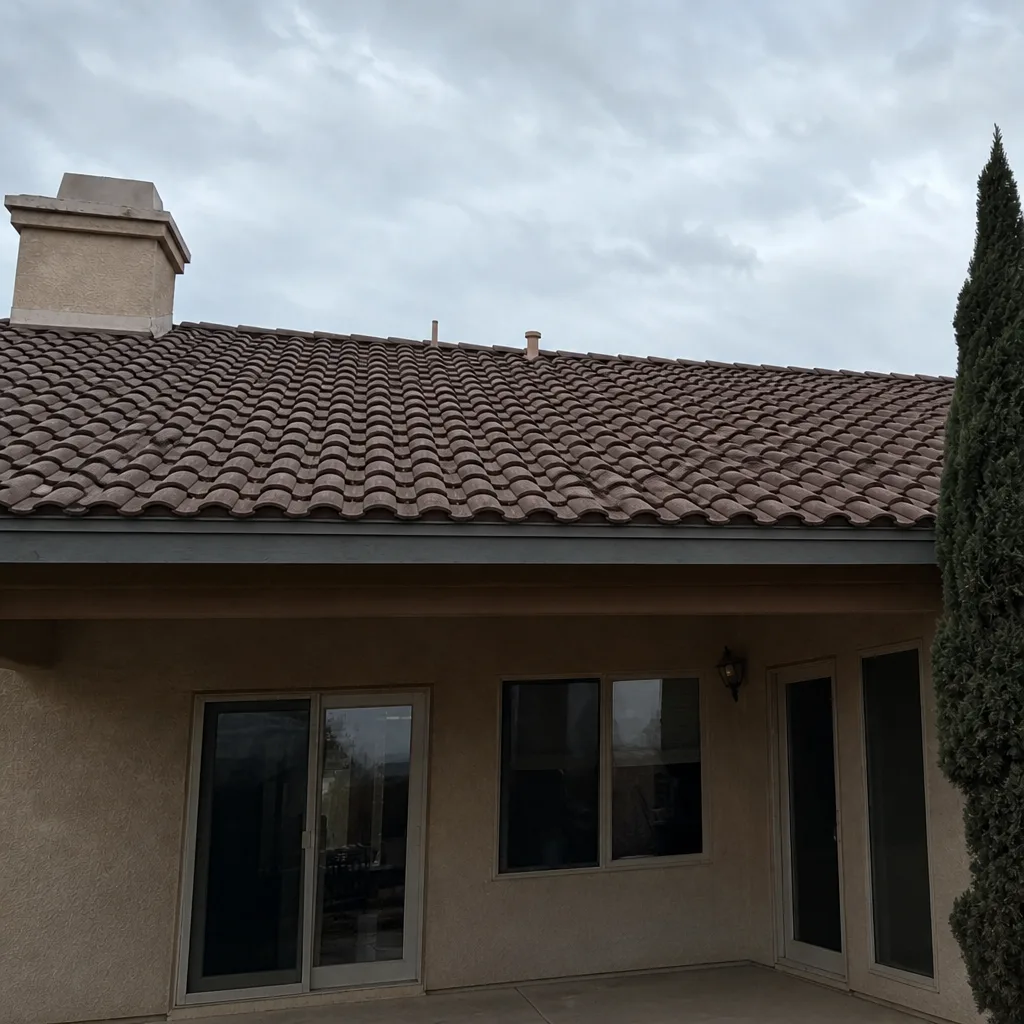 After
When to Call a Professional
Some roof issues are watch-and-wait. Others need a trained eye on the roof before anything gets worse. Call a professional if you see water staining on a ceiling or along a wall, if shingles are missing, lifted, or curling in a pattern, if granules are pooling at the base of downspouts, or if a prior repair has started leaking again. A suspected leak after a Spring Valley monsoon is worth an inspection even if nothing is dripping inside yet – the water path often runs into the attic wall before it shows on the ceiling.
Also call if your roof is past the point where repairs pay for themselves. A documented inspection tells you that directly; guessing from the driveway doesn’t. Roofing Spring Valley offers free estimates in Spring Valley – call (877) 851-0738. We answer 24/7. Fast dispatch from 7am to 7pm, Sunday through Friday.
Frequently Asked Questions
Ask for the license number in writing, look it up in the Nevada state contractor board’s public database, and confirm the classification reads C-15 – the classification that covers roofing specifically. Confirm the status is active and the business name on the license matches the company bidding the job. A general contractor’s license or a license in a different trade doesn’t authorize roofing work; if the record doesn’t show C-15, keep looking. Call (877) 851-0738 for a free estimate once you’ve verified.
A roofing bid should name the exact product line and SKU for shingles, underlayment, and accessories; state the number of roofing squares measured; list what’s included in the base scope versus priced separately; include a payment schedule tied to milestones; and include lien waiver language. If any of those is missing, ask for a revised written bid before signing. The written estimate sets the final price, so the scope has to be specific.
Manufacturer certification – like GAF Master Elite or Owens Corning Preferred Contractor – isn’t just a quality badge. It can determine which warranty tier your roof qualifies for. Most major shingle manufacturers offer an enhanced system warranty available only when a certified installer uses the manufacturer’s full component system and registers the job. Hiring an uncertified installer forecloses that warranty tier entirely.
Convert every bid to cost per roofing square, using the number of squares each bidder measured and the product line and tier each quoted. Then compare bids only against other bids on the same tier. A higher total on the same product line deserves questions about labor and scope; a lower total deserves questions about what’s excluded. Ask each bidder for a written line-item quote.
Most Southern Nevada jurisdictions require a permit for a full roof replacement, so confirm the local requirement for your address with your city or county building department. Then ask the contractor whether they pull it, in their own name. A licensed roofing specialist won’t hesitate here, and a pulled permit means the work gets inspected.
Look for door-to-door canvassing after a storm, out-of-state plates, a contract address that doesn’t match a verifiable local operation, and generic “insurance specialist” claims without a specific explanation of what they actually do. Verify the C-15 license and the certificate of insurance before signing anything – a contractor who can’t produce both on the spot is unlikely to honor a warranty later.
Two warranties, not one. The manufacturer’s product warranty covers the shingles and varies by product line and tier; the contractor’s workmanship warranty covers the installation itself, including flashing and detailing. Get the workmanship warranty in writing before the job starts, and confirm who registers the manufacturer warranty and when.
When the failure is localized – a flashing issue, a single damaged shingle, a valley problem – a documented repair is often the right call. When the roof has reached the end of its service life across most of its surface, repair spending tends to become cumulative. An inspection gives you the findings to decide, rather than a sales conversation. We’ll tell you when a repair is the right answer and when it isn’t.
The Bottom Line
Hiring a roofing contractor in Spring Valley comes down to verification, not persuasion. Check the C-15 license in the state database before anything else. Confirm which manufacturer programs the contractor holds and which warranty tier your job qualifies for. Get an inspection before a bid. Read the material specification, payment schedule, and lien waiver clauses in the contract. Spot the storm-season red flags, and normalize every bid to cost per square on the same material tier before you compare dollars.
Do those six things and the lowball trap and the door-to-door pitch can’t reach you. Roofing Spring Valley handles repairs, replacements, and inspections – roofing is the only trade we work in. Call (877) 851-0738 to schedule a free estimate. We answer 24/7. Fast dispatch from 7am to 7pm, Sunday through Friday.
Written by the team at Roofing Spring Valley.